Role of Tax Consultants for NRI-Owned Companies in India
Introduction
Many Non-Resident Indians (NRIs) invest in India or operate businesses while living abroad. These businesses may have income, investments, employees, or transactions in India. As a result, they need to follow Indian tax and compliance rules.
Understanding Indian tax laws can be difficult, especially when a business has connections with another country. Tax consulting services can help NRI-owned companies understand their tax responsibilities, complete required filings, and plan their taxes properly.
This article explains how tax consulting services can help NRI companies manage their tax and compliance requirements in India.

Who Is an NRI?
A Non-Resident Indian (NRI) is an Indian citizen or person of Indian origin who lives outside India for purposes such as employment, education, business, or other reasons.
NRI status is mainly determined by the individual’s period of stay in India during the financial year and other conditions under Indian tax laws.
NRIs may continue to have financial connections with India through:
- Property ownership
- Bank accounts
- Investments
- Rental income
- Business interests
- Shares and mutual funds
- Family businesses
These financial activities may create tax and reporting responsibilities in India.
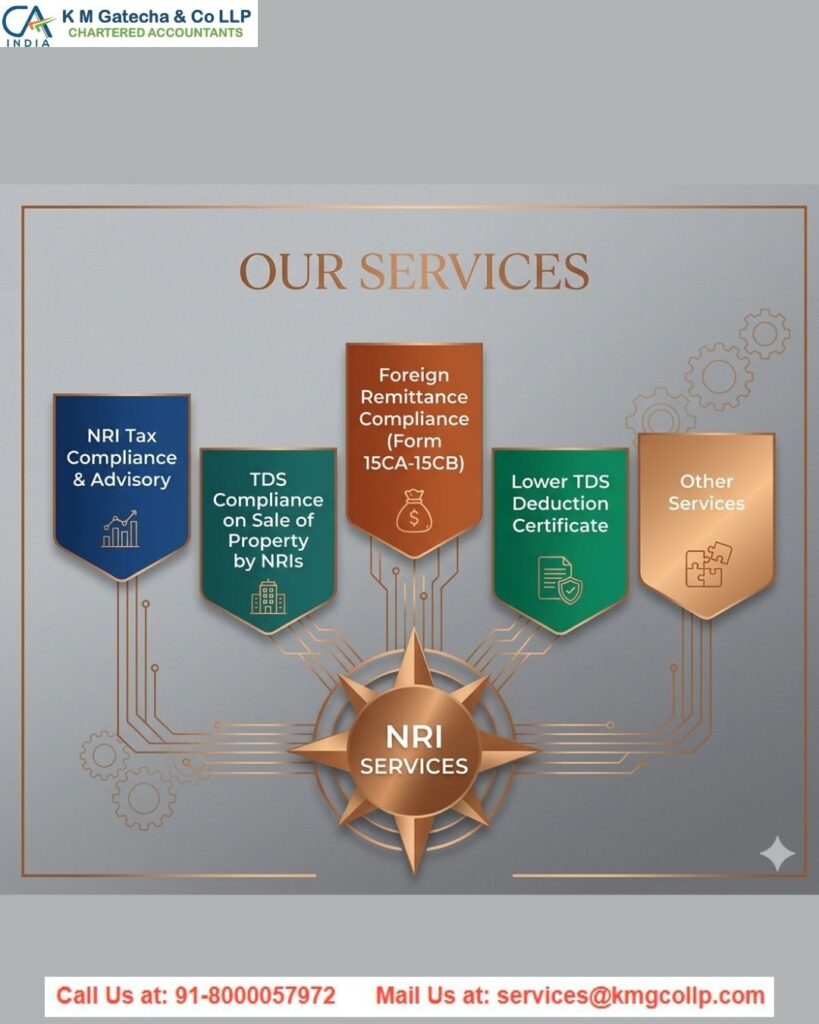
GST Tax Consulting for NRI Companies
Goods and Services Tax (GST) is an indirect tax applicable to the supply of goods and services in India.
NRI-owned companies that provide goods or services in India may need to register under GST and follow the applicable GST rules.
A tax consultant can help with:
- GST registration
- Identifying applicable GST rates
- GST return filing
- Maintaining proper records
- Understanding input tax credit
- Handling GST notices
- Managing GST compliance
Proper GST management helps businesses avoid filing errors and other compliance issues.
NRI Tax Filing in India
An NRI may have income from India through property, investments, business activities, or other sources. Such income may be taxable in India depending on the applicable rules.
For businesses owned or operated by NRIs, tax filing can involve several requirements. These may include reporting Indian income, claiming eligible deductions, calculating tax correctly, and completing required filings within the prescribed deadlines.
Tax consultants can help review the company’s income and transactions and prepare the required tax returns.
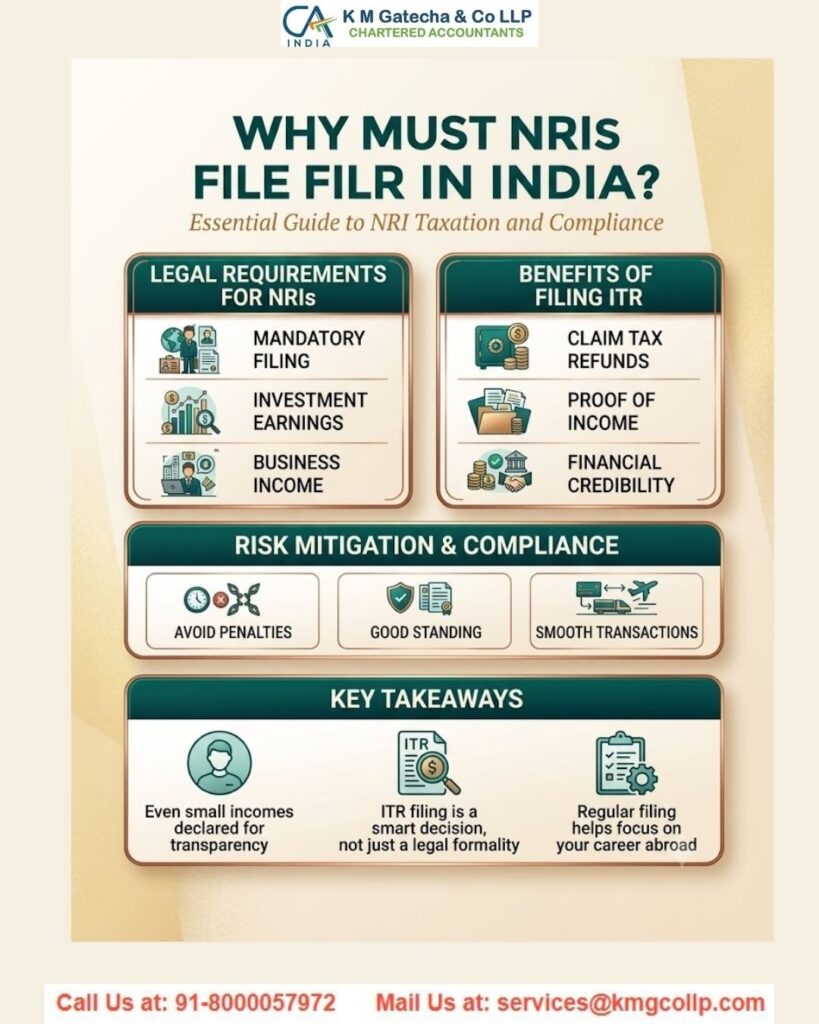
How Tax Consulting Services Help NRI Companies
Tax consulting services can support NRI companies in several important areas.
1. Understanding Indian Tax Rules
Indian tax laws can be complicated and may change from time to time. NRI companies may find it difficult to understand which rules apply to their business.
Tax consultants can help businesses understand:
- Applicable taxes
- Tax filing requirements
- Tax residency rules
- TDS requirements
- GST obligations
- Applicable deductions and exemptions
- Documentation requirements
This helps businesses manage their tax responsibilities properly.
2. GST Compliance
NRI companies carrying out taxable activities in India may have GST obligations.
Tax consultants can assist with calculating GST, preparing returns, maintaining records, and understanding GST-related requirements.
They can also help identify errors in GST filings and provide assistance when a company receives a GST notice.
3. Tax Planning
Proper tax planning can help a business understand its tax liability before making important financial decisions.
Tax consultants may review the company’s business structure, income, expenses, investments, and transactions to identify legally available deductions, exemptions, and other tax provisions.
The purpose of tax planning is to ensure that the company pays the correct amount of tax while following Indian tax laws.
4. NRI Tax Reporting
NRI companies may have tax reporting responsibilities in both India and another country.
Tax consultants can help determine the applicable Indian tax requirements and ensure that income earned in India is properly reported.
They may also provide guidance regarding the Double Taxation Avoidance Agreement (DTAA). A DTAA can provide relief when the same income may be taxable in both India and another country.
The applicable treaty and eligibility conditions should be checked before claiming any benefit.
5. Foreign Exchange Compliance
NRI companies may transfer money between India and other countries. Such transactions can involve foreign exchange and banking regulations.
Tax consultants can help businesses understand the tax and documentation requirements connected with cross-border payments and fund transfers.
This may include reviewing applicable tax deductions, certificates, declarations, and other documents required for international transactions.
6. Keeping Up With Tax Law Changes
Indian tax laws and regulations can change regularly. Changes may affect tax rates, filing requirements, deductions, GST rules, or reporting obligations.
Tax consultants can help businesses stay informed about relevant changes and understand how they may affect the company’s tax position.
Keeping up with these requirements can reduce the risk of missed deadlines, incorrect filings, and compliance problems.
7. TDS Compliance
NRI-owned companies may have to deduct Tax Deducted at Source (TDS) on certain payments.
TDS requirements can apply to payments such as salaries, professional fees, rent, interest, and certain other transactions.
A tax consultant can assist with:
- Identifying TDS requirements
- Calculating the applicable amount
- Depositing TDS
- Filing TDS returns
- Issuing TDS certificates
- Handling TDS-related notices
8. Support With Tax Notices
A company may receive a notice from the Income Tax Department or GST authorities for different reasons.
Tax consultants can help review the notice, understand the issue, collect the required documents, and prepare an appropriate response.
Responding within the prescribed time is important to avoid further compliance issues.
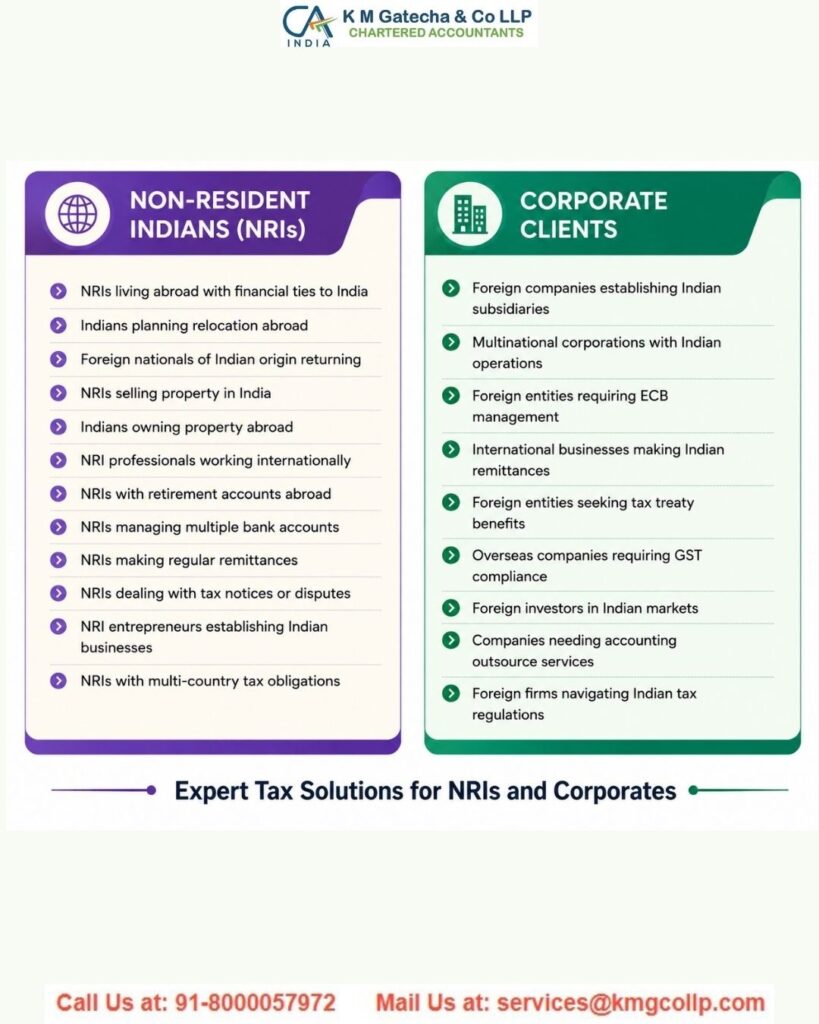
Benefits of Tax Consulting for NRI Companies
Professional tax support can help NRI companies:
- Understand Indian tax requirements
- Complete tax filings on time
- Manage GST compliance
- Handle TDS obligations
- Understand DTAA provisions
- Plan taxes legally
- Maintain proper financial records
- Manage cross-border transactions
- Respond to tax notices
- Reduce the risk of compliance errors
Final Thoughts
NRI-owned companies operating in India need to carefully manage their tax and compliance responsibilities. GST, income tax, TDS, international transactions, DTAA provisions, and foreign exchange rules can make business taxation more complicated.
Tax consulting services can help NRI companies understand these requirements, complete their filings, maintain proper records, and plan their tax affairs in accordance with applicable laws.
With proper tax and compliance management, NRI companies can focus on their business operations while keeping their Indian tax responsibilities in order.
Disclaimer: The content on this website is for informational purposes only and does not constitute legal, financial, or professional advice. Please consult qualified experts before acting on any information. K M GATECHA & CO LLP accepts no liability for errors, omissions, or outcomes from the use of this content. This site is not an advertisement or solicitation.