Starting a business in Ahmedabad requires choosing the right legal structure and completing the necessary registrations. The suitable structure depends on factors such as the number of owners, type of business, liability, future plans, and funding requirements.
Business registration helps establish the business legally and makes it easier to manage banking, taxation, contracts, and other business activities.
What Is Business Registration?
Business registration is the process of legally setting up a business under the appropriate structure. Depending on the business, an entrepreneur may choose a proprietorship, partnership firm, LLP, or private limited company.
Each structure has different rules, compliance requirements, and advantages. Therefore, it is important to understand the options before starting the registration process.
Types of Business Registration in Ahmedabad
Proprietorship Registration
A proprietorship is generally suitable for an individual who wants to operate a business on their own. It has a simple structure and is commonly used by freelancers, small traders, consultants, and individual service providers.
Depending on the business activity, registrations such as GST and Udyam may also be required.
Partnership Firm Registration
A partnership firm is suitable when two or more people want to run a business together. The partners usually enter into a Partnership Deed that explains their responsibilities, profit-sharing arrangement, capital contribution, and other terms.
The firm can also be registered with the Registrar of Firms in Gujarat, subject to the applicable requirements.
LLP Registration
A Limited Liability Partnership combines features of a partnership with limited liability. It can be suitable for professional firms, consultants, service providers, and businesses operated by multiple partners.
LLP registration involves designated partners, an LLP Agreement, and filing the required forms with the Ministry of Corporate Affairs.
Private Limited Company Registration
A private limited company is a separate legal entity and is commonly chosen by businesses planning to grow, bring in investors, or create a structured ownership system.
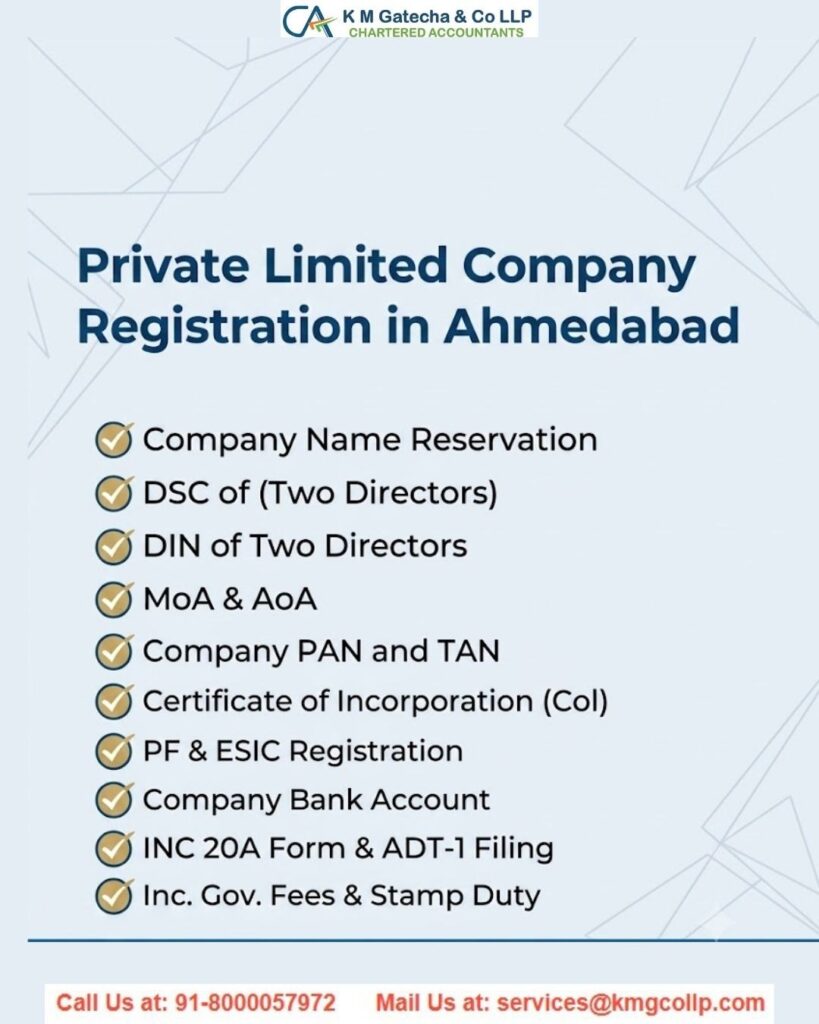
The incorporation process generally involves obtaining Digital Signature Certificates, Director Identification Numbers, preparing the MOA and AOA, and filing the required incorporation forms with the MCA.
Other Registrations for Businesses
Business registration may not be the only registration required. Depending on the nature and size of the business, additional registrations may include:
- GST registration
- MSME or Udyam registration
- Startup recognition
- Professional tax registration, where applicable
- Shops and Establishment registration, where applicable
- TDS-related registrations
- Other industry-specific licenses
The applicable registrations depend on the business activity and location.
Who Needs Business Registration Services?
Business registration assistance can be useful for different types of entrepreneurs, including:
- New business owners
- Startup founders
- Freelancers starting a formal business
- Small business owners
- Consultants and professionals
- Partners starting a joint business
- Existing businesses changing their legal structure
Choosing the right structure at the beginning can help avoid problems when the business expands or its ownership changes.
How to Register a Business in Ahmedabad
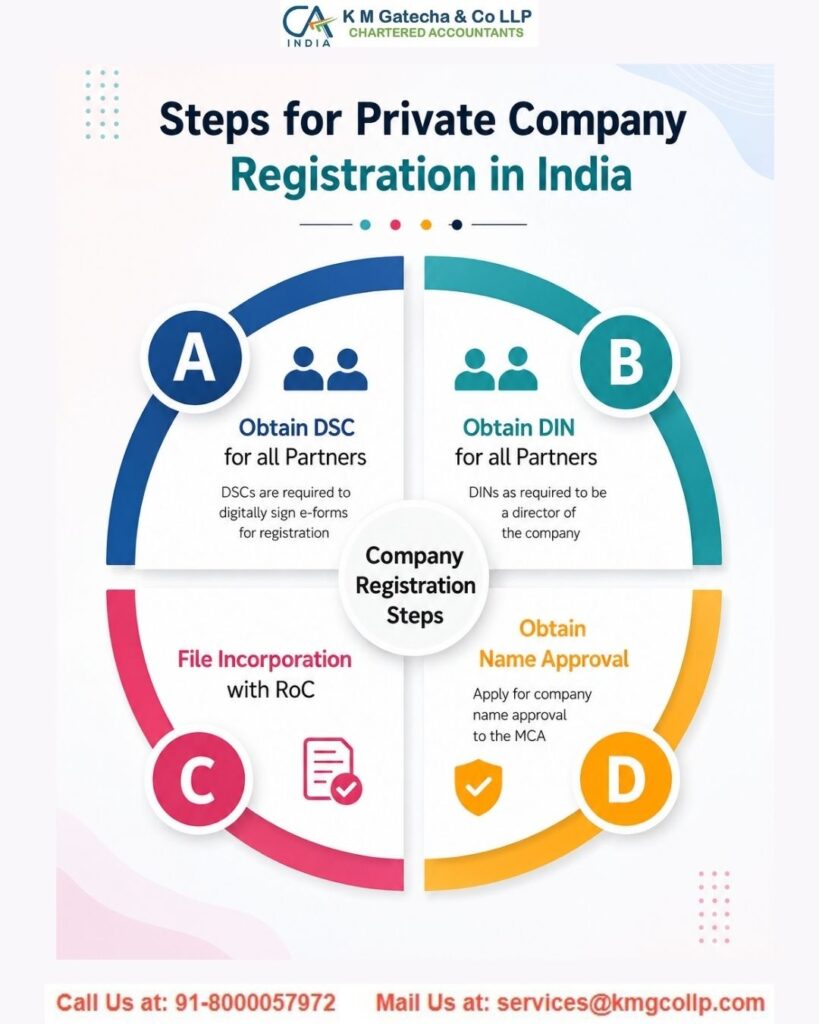
The registration process depends on the selected business structure. However, the general process usually involves the following steps:
Step 1: Understand Your Business
First, identify your business activity, number of owners, expected operations, funding plans, and future goals.
Step 2: Choose the Business Structure
Select the structure that fits your requirements. The main options include proprietorship, partnership, LLP, and private limited company.
Step 3: Prepare the Documents
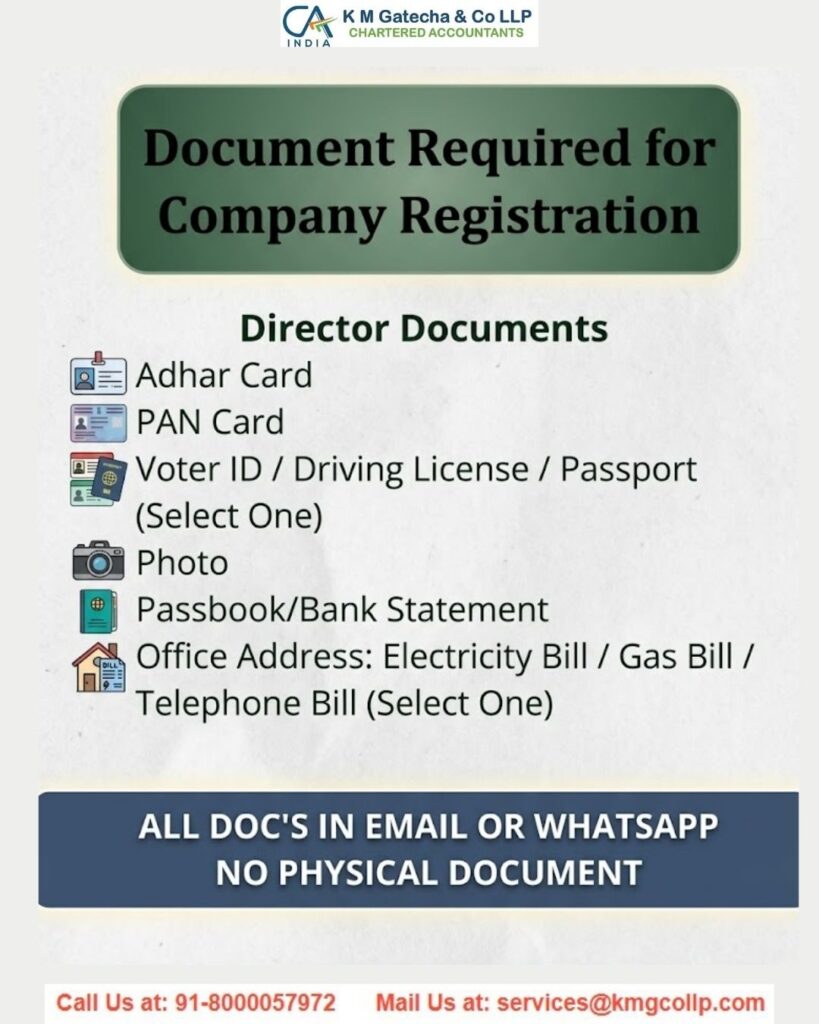
The documents required depend on the type of registration. Common documents may include identity proof, address proof, photographs, business address documents, and partnership or incorporation documents.
Step 4: Submit the Application
The required forms and documents are submitted to the appropriate government authority or portal.
Step 5: Receive Registration Documents
After the application is approved, the business receives the applicable registration certificate or documents.
Step 6: Complete Additional Registrations
After registration, the business may need GST, Udyam, tax, licensing, or other registrations depending on its activities.
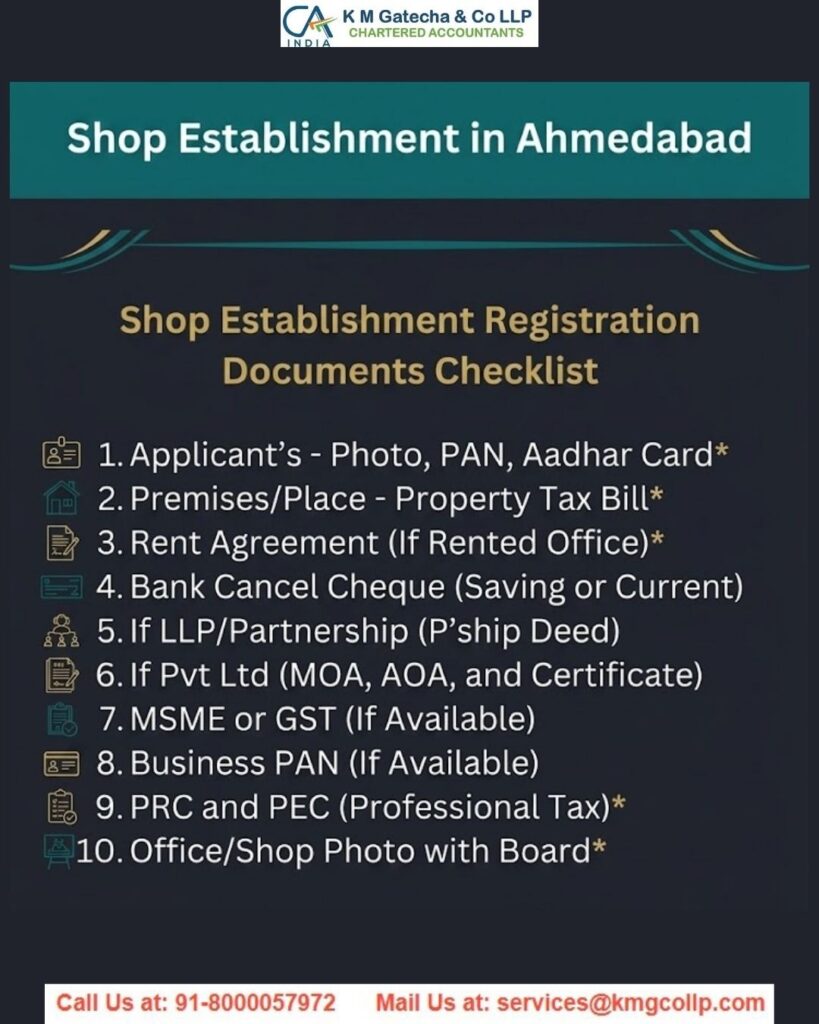
Documents Required for Business Registration
The exact documents vary according to the business structure. Commonly required documents may include:
- PAN and identity proof of owners or partners
- Address proof
- Passport-size photographs
- Business or registered office address proof
- Rent agreement or owner consent, where applicable
- Partnership Deed for a partnership firm
- MOA and AOA for a company
- Digital Signature and director-related documents for companies and LLPs
It is important to provide accurate and updated documents to avoid delays during registration.
Why Choose the Right Business Structure?
The legal structure affects several areas of the business, including liability, taxation, ownership, compliance, decision-making, and future investment.
For example, a person operating alone may consider a proprietorship, while two or more professionals may consider a partnership or LLP. A business planning to raise equity investment may consider a private limited company.
There is no single structure that is suitable for every business. The decision should be based on the business model and long-term plans.
Business Registration and Compliance
Registration is only the first step. After setting up the business, owners may need to manage regular tax, accounting, GST, payroll, and other legal requirements.
Companies and LLPs also have specific annual filing requirements. Maintaining proper records and tracking deadlines from the beginning can help prevent compliance problems.
Conclusion
Business registration in Ahmedabad involves more than selecting a name and submitting an application. Entrepreneurs should first understand their business requirements and then choose a suitable legal structure.
Whether you are starting as a sole proprietor, forming a partnership, registering an LLP, or incorporating a private limited company, proper documentation and timely compliance can provide a strong foundation for your business.
Understanding the registration process before starting can also help you avoid unnecessary delays and prepare for future business growth.
Disclaimer: The content on this website is for informational purposes only and does not constitute legal, financial, or professional advice. Please consult qualified experts before acting on any information. K M GATECHA & CO LLP accepts no liability for errors, omissions, or outcomes from the use of this content. This site is not an advertisement or solicitation.