
Filing your Income Tax Return (ITR) accurately and on time is important. However, taxpayers sometimes miss deadlines or realize mistakes after filing. To address such situations, the government introduced Section 139(8A) of the Income Tax Act, which allows taxpayers to file an updated return.
This provision offers an opportunity to correct errors or report missed income even after the original deadlines have passed.
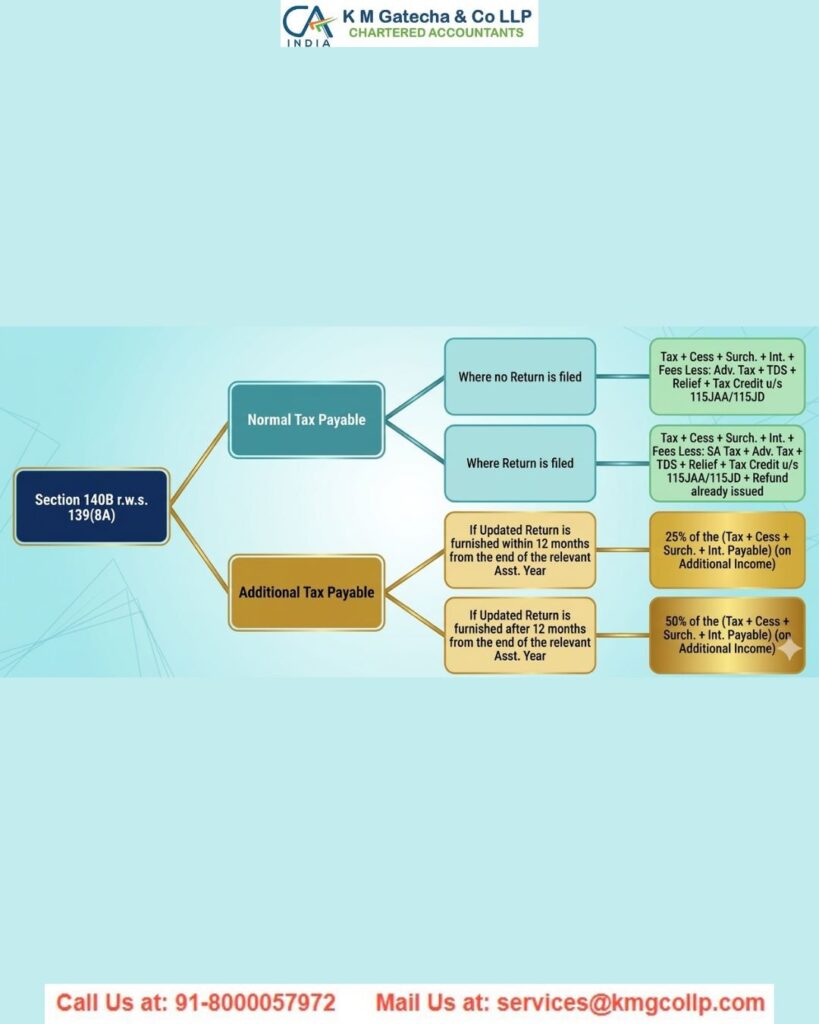
What Is Section 139(8A)?
Section 139(8A) allows taxpayers to file an updated Income Tax Return (ITR-U) if they have:
- Missed filing their return earlier
- Made errors in the original return
- Failed to report certain income
This provision helps taxpayers voluntarily correct their tax filings and stay compliant.
Time Limit for Filing Updated Return
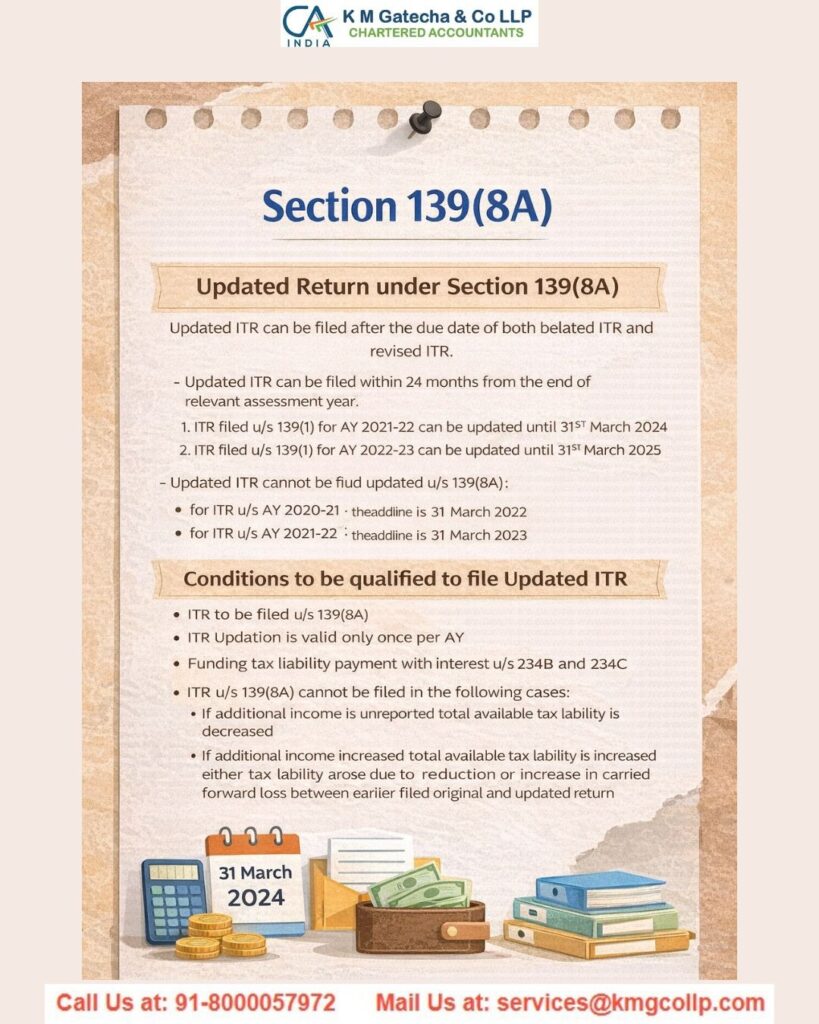
Under Section 139(8A), an updated return can be filed within:
- 24 months from the end of the relevant assessment year
This extended window gives taxpayers sufficient time to rectify mistakes or omissions.
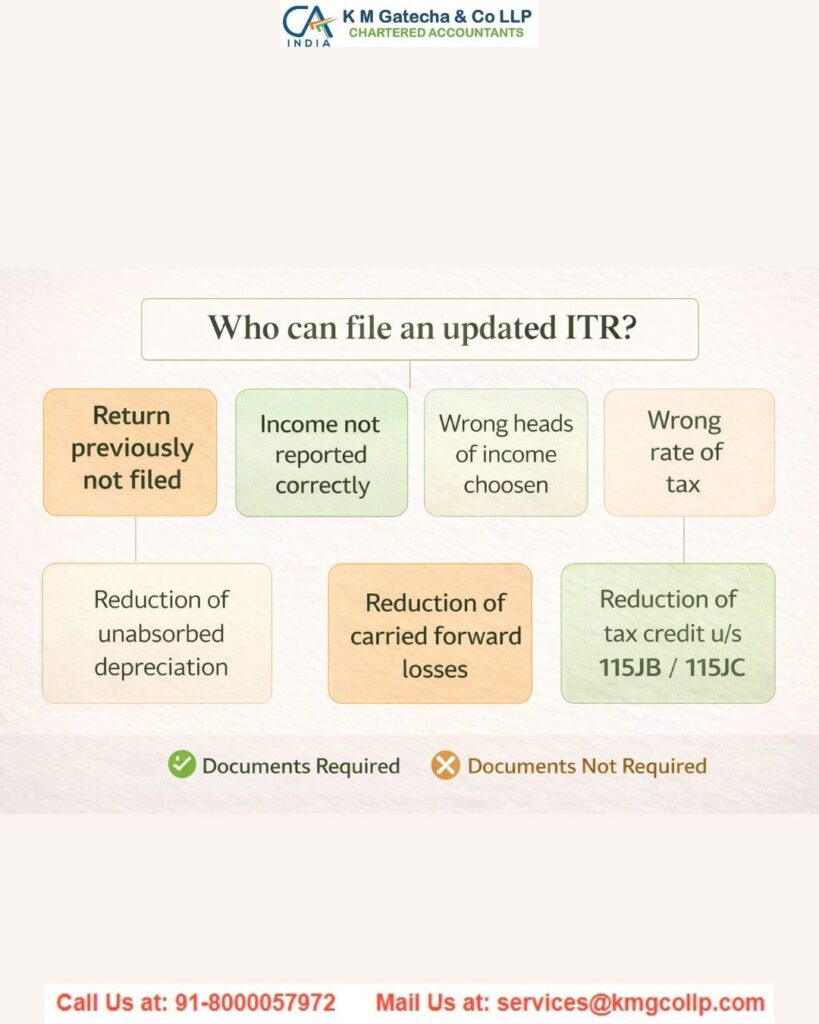
Who Can File an Updated Return?
Any taxpayer can file an updated return if they want to:
- Declare additional income
- Correct errors in previously filed returns
- File a return that was not filed earlier
It is especially useful for individuals who want to avoid penalties or legal issues due to non-compliance.
Cases Where Updated Return Cannot Be Filed
You cannot file an updated return under Section 139(8A) in certain situations:
- If it results in a refund claim
- If it shows a reduced tax liability
- If it leads to increased losses
- If assessment or reassessment proceedings are already ongoing
- If the tax authorities have initiated investigation proceedings
This provision is meant for voluntary compliance, not for reducing tax burden.
Additional Tax Payable
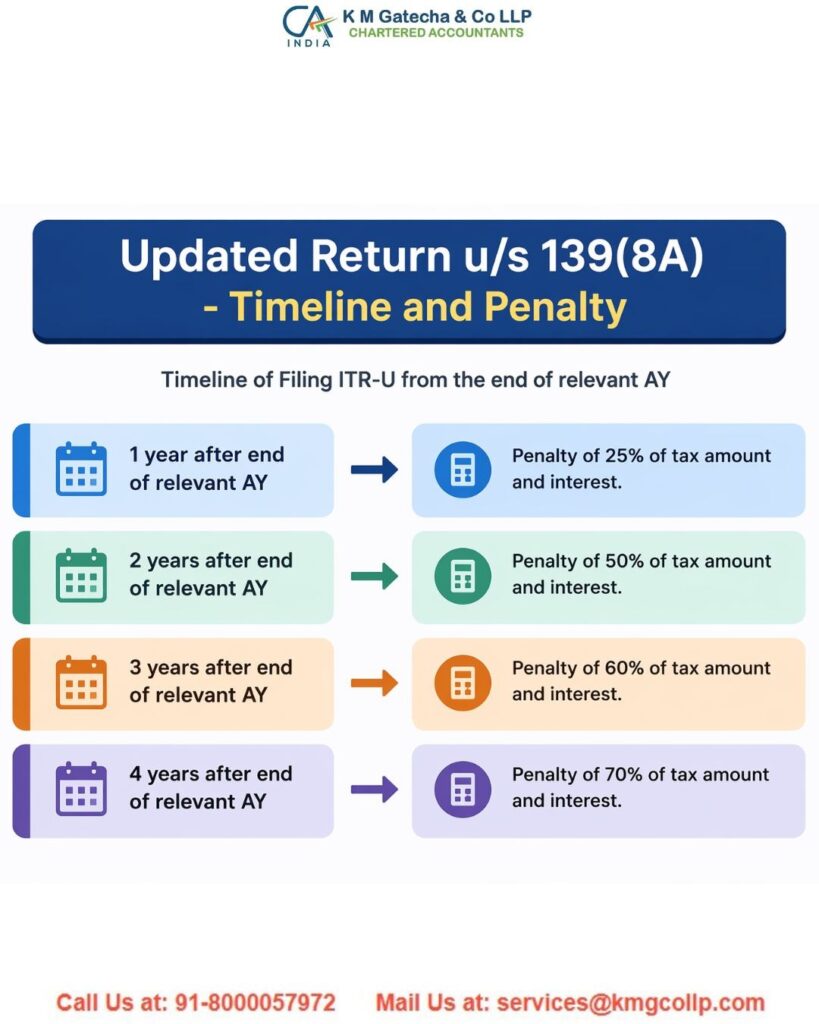
Filing an updated return involves paying additional tax along with applicable interest.
The additional tax depends on when you file:
- Within 12 months: Additional 25% of tax and interest
- Between 12–24 months: Additional 50% of tax and interest
This ensures timely correction while discouraging delays.
Benefits of Section 139(8A)
1. Opportunity to Correct Mistakes
Taxpayers can fix errors even after deadlines.
2. Avoid Legal Consequences
Helps reduce the risk of penalties and notices.
3. Voluntary Compliance
Encourages honest reporting of income.
4. Extended Time Limit
Provides up to 2 years to update returns.
How to File an Updated Return
The process to file an updated return includes:
- Visit the income tax e-filing portal
- Select the option to file updated return (ITR-U)
- Provide details of additional income or corrections
- Calculate and pay additional tax and interest
- Submit the updated return
Ensure all details are accurate before submission.
Important Points to Remember
- Updated return can be filed only once for a particular assessment year
- It must include valid reasons for updating the return
- Proper documentation should be maintained
- Taxes and penalties must be paid before filing
Difference Between Revised Return and Updated Return
| Feature | Revised Return | Updated Return |
| Applicable Section | 139(5) | 139(8A) |
| Time Limit | Before end of assessment year | Up to 24 months |
| Purpose | Correct errors | Declare missed income |
| Refund Allowed | Yes | No |
Conclusion
Section 139(8A) of the Income Tax Act provides taxpayers with a valuable opportunity to correct mistakes or file missed returns through an updated return. While it comes with an additional tax burden, it helps ensure compliance and reduces the risk of legal complications.
Filing your taxes accurately and on time is always the best approach, but if you miss something, this provision offers a second chance to stay on the right side of the law.
Disclaimer: The content on this website is for informational purposes only and does not constitute legal, financial, or professional advice. Please consult qualified experts before acting on any information. K M GATECHA & CO LLP accepts no liability for errors, omissions, or outcomes from the use of this content. This site is not an advertisement or solicitation.