

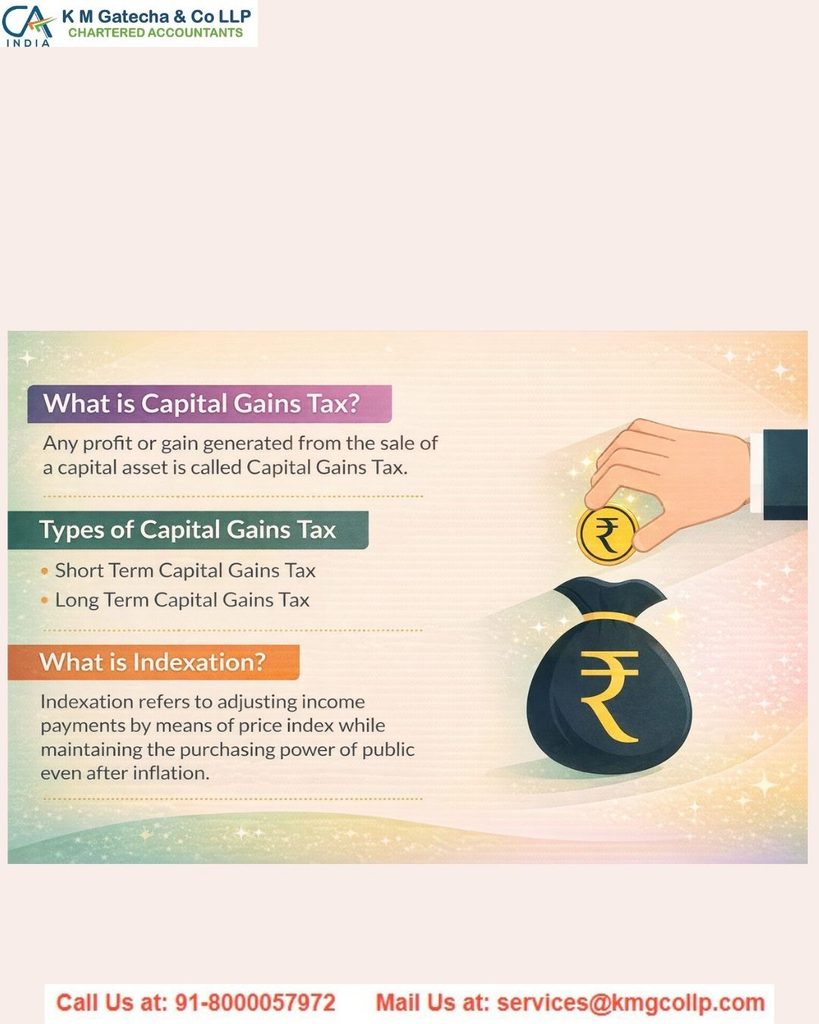
Although a house property received as a gift from parents is not taxable at the time of receipt, selling it later attracts capital gains tax on the profit earned.
For example, Ram Naik received a flat in Noida as a gift from his father in December 2023. His father had originally purchased the property in April 2005 for ₹5 lakh. Ram now plans to sell the flat in September 2025 for ₹50 lakh. In this case, the capital gains tax will be calculated based on the original purchase cost and holding period of the father, and the applicable tax liability will arise at the time of sale.
How Are Taxes Calculated on a Gifted Property?
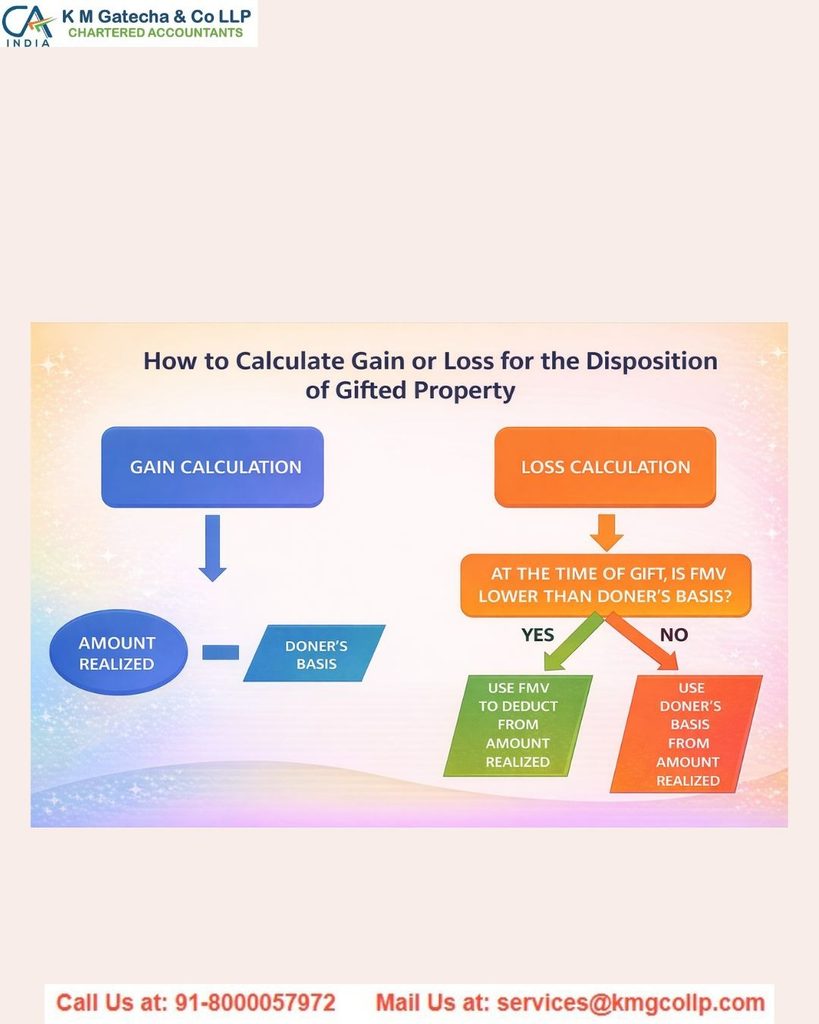
A house property received as a gift from parents is not taxed at the time of receipt. However, if the recipient sells the property later, capital gains tax becomes payable on the profit earned from the sale. As Rahul Singh, Senior Manager at Taxmann and a tax and corporate advisor, explains, even though the property is received without any payment, the Income-tax Act does not consider its cost to be zero. Instead, the recipient takes over the original cost and holding period of the donor.
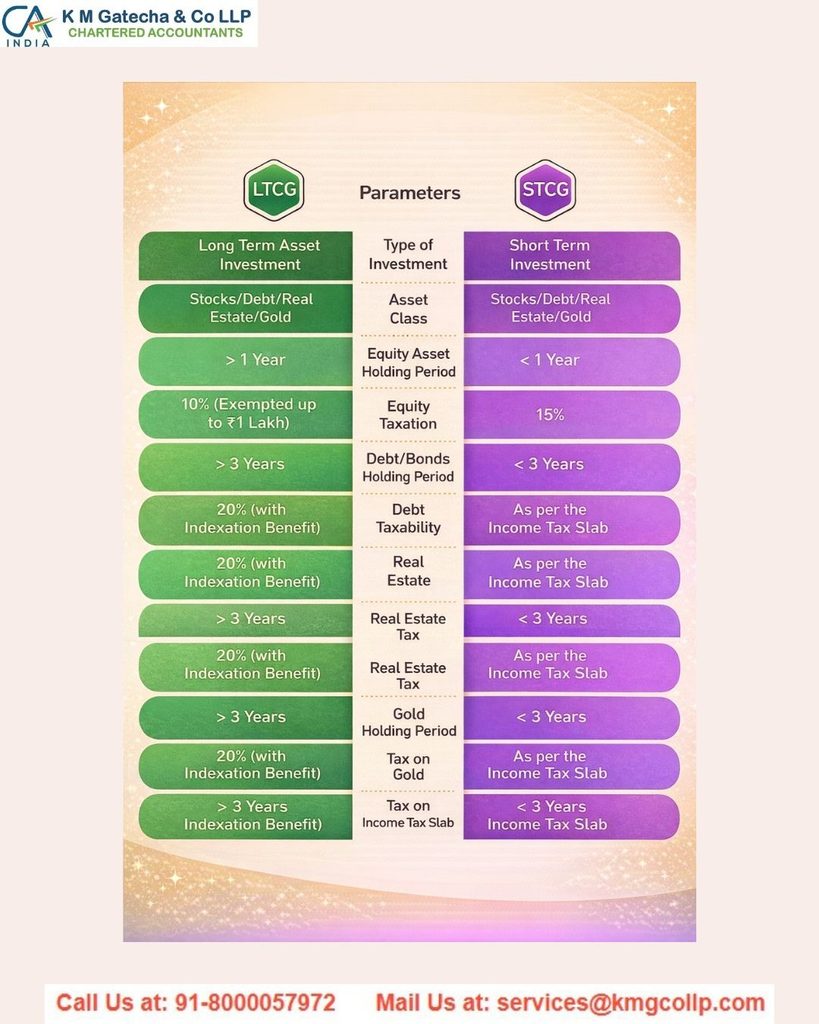
When the donee sells the gifted property, the gains arising from the sale are subject to long-term capital gains tax, provided the holding period conditions are met. The applicable tax rate depends on the period of holding, which is calculated by including the time for which the property was held by the donor.
If the donee holds the gifted property for more than 24 months, the gains are classified as long-term capital gains (LTCG) and taxed at 12.5%. If the holding period is less than 24 months, the gains are treated as short-term capital gains (STCG) and taxed at 20%.
For properties acquired before July 23, 2024, the donee can claim indexation benefits, but the applicable tax rate remains 20%.
As Rashi Khanna, Associate Partner at DMD Advocates, explains:
“When a property is acquired as a gift, the holding period is counted from the date the previous owner acquired the asset. Therefore, the donor’s period of holding is included when calculating the holding period for the donee.”
Under Section 49 of the Income-tax Act, 1961, the cost of acquisition of a property in the hands of the previous owner is treated as the cost of acquisition for the donee.
Accordingly, Ram Naik will be liable to pay long-term capital gains (LTCG) tax on the profit from selling the flat, as the holding period will be calculated from the date his father originally acquired the property.
Rashi Khanna, Associate Partner at DMD Advocates, explains:
“Since the property was acquired before July 23, 2024, Naik can avail the benefit of indexation and pay tax on the indexed gains at 20%. Moreover, the cost at which his father purchased the flat will be considered as the cost of acquisition in Naik’s hands.”
Legal Compliance Is Crucial When Gifting Property
Under Section 56(2)(x), it is important to note that gifts from persons who are not defined as “relatives” may be taxable in the hands of the recipient if the stamp duty value exceeds ₹50,000.
The term “relative” includes a spouse, siblings, lineal ascendants and descendants, and certain other close relations. However, it does not cover cousins, friends, or unrelated individuals, making gifts from such persons potentially subject to tax.
Therefore, it is essential to conduct due diligence in assessing the familial relationship to ensure the gift remains tax-exempt. Exceptions are also provided for gifts received on the occasion of marriage, through inheritance, or in contemplation of death,” says **Tushar Kumar, Advocate, Supreme Court of India.
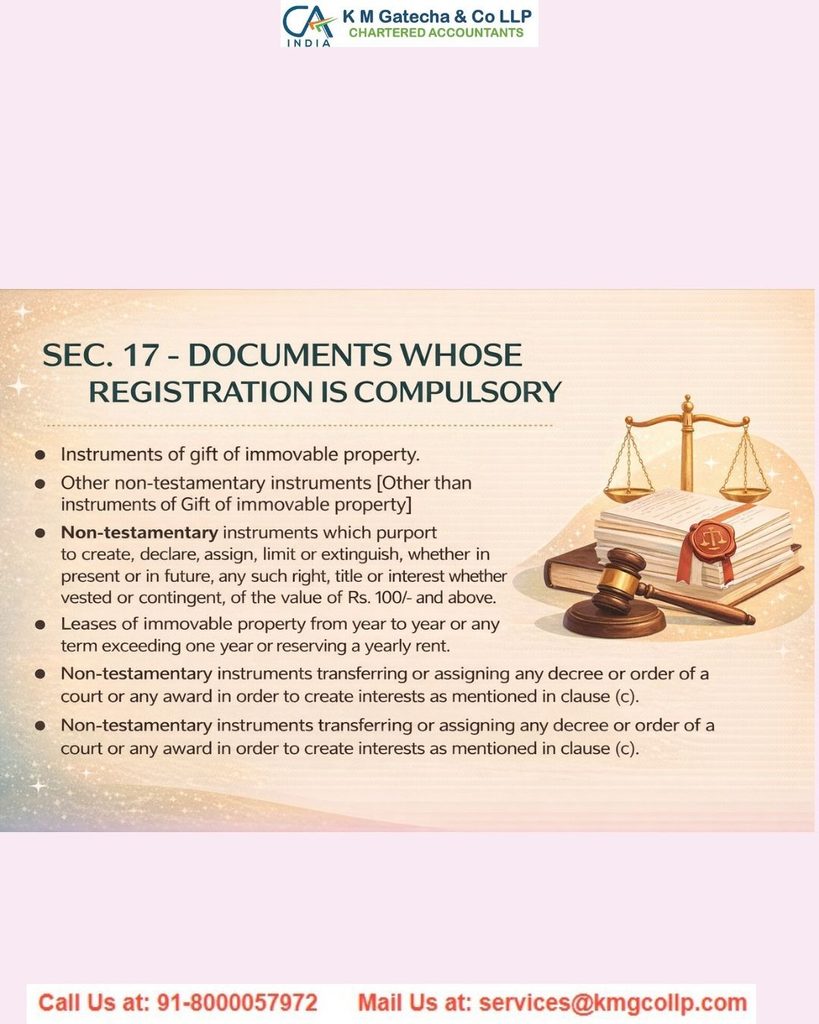
Finally, from a compliance and legal perspective, it is essential that the gift of immovable property be executed through a registered gift deed under Section 17 of the Registration Act, 1908, with applicable stamp duty paid as per state laws. Failure to register the gift renders it legally invalid and unenforceable.
Disclaimer: The content on this website is for informational purposes only and does not constitute legal, financial, or professional advice. Please consult qualified experts before acting on any information. K M GATECHA & CO LLP accepts no liability for errors, omissions, or outcomes from the use of this content. This site is not an advertisement or solicitation.
