
Filing an Income Tax Return (ITR) requires careful verification to ensure that all submitted details are accurate and supported by proper documentation. Errors in ITR filing can lead to financial consequences, so it is important to review instructions carefully and understand the filing procedure beforehand. However, mistakes may still occur even after taking precautions.
To address such situations, tax authorities provide certain remedies that allow taxpayers to correct genuine errors. One such provision is the option to submit updated returns. This facility enables taxpayers to correct mistakes and reduce the risk of legal action from the tax department.
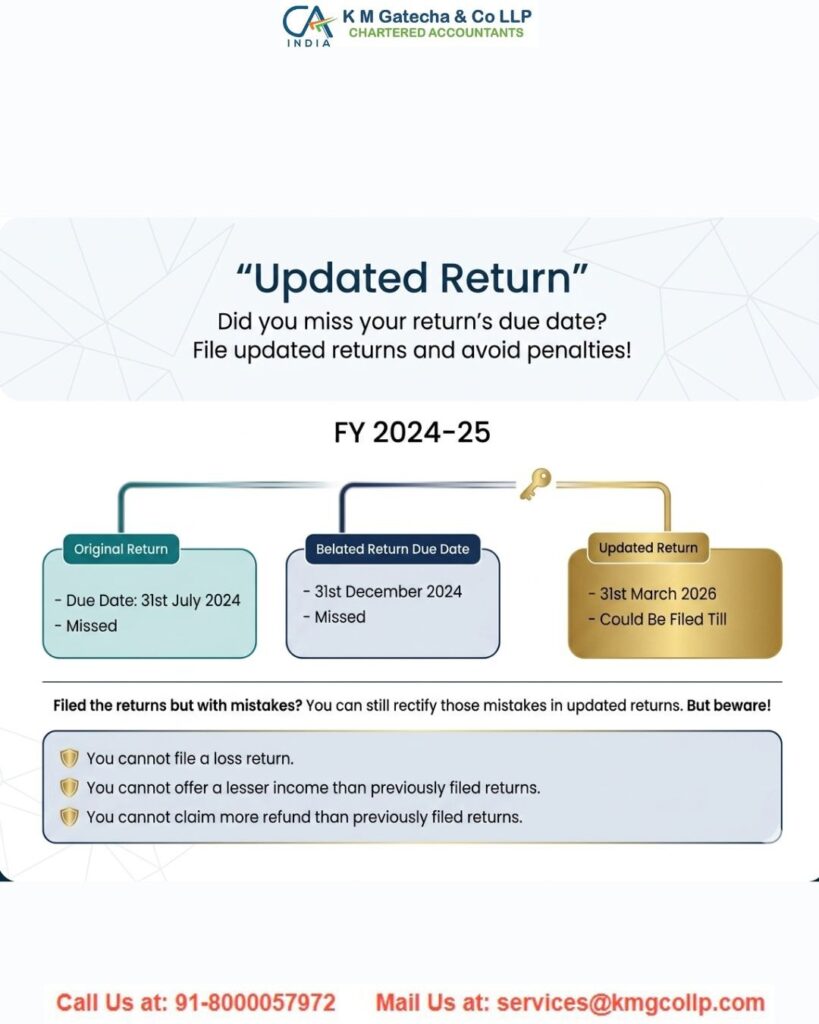
What Are Updated Returns?
An updated return is a recently introduced type of Income Tax Return that gives taxpayers an opportunity to correct errors in previously filed returns. It also allows individuals who did not file their return earlier to submit one later. Taxpayers must follow specified timelines when filing an updated return and are required to pay any additional tax, interest, and penalties applicable for delayed filing.
The concept of updated returns was introduced in the Union Budget 2022 through the addition of Section 139(8A) and Section 140B to the Income Tax Act. On 29 April 2022, the Central Board of Direct Taxes (CBDT) introduced Form ITR-U along with Rule 12AC to facilitate the filing of updated income returns. This initiative was designed to encourage voluntary compliance among taxpayers who may otherwise hesitate to report omissions or mistakes.
When Do You Need to File Updated Returns?
Filing an updated return using Form ITR-U is optional and available to all eligible taxpayers. It can be used to correct mistakes, address omissions, or file an original return for a specific assessment year. However, the updated return must be submitted within 24 months from the end of the relevant assessment year.
The timeline for filing updated returns is shown below:
| Assessment Year | Last Date for Filing Updated Return |
| AY 2020–21 | 31 March 2023 |
| AY 2021–22 | 31 March 2024 |
| AY 2022–23 | 31 March 2025 |
| AY 2023–24 | 31 March 2026 |
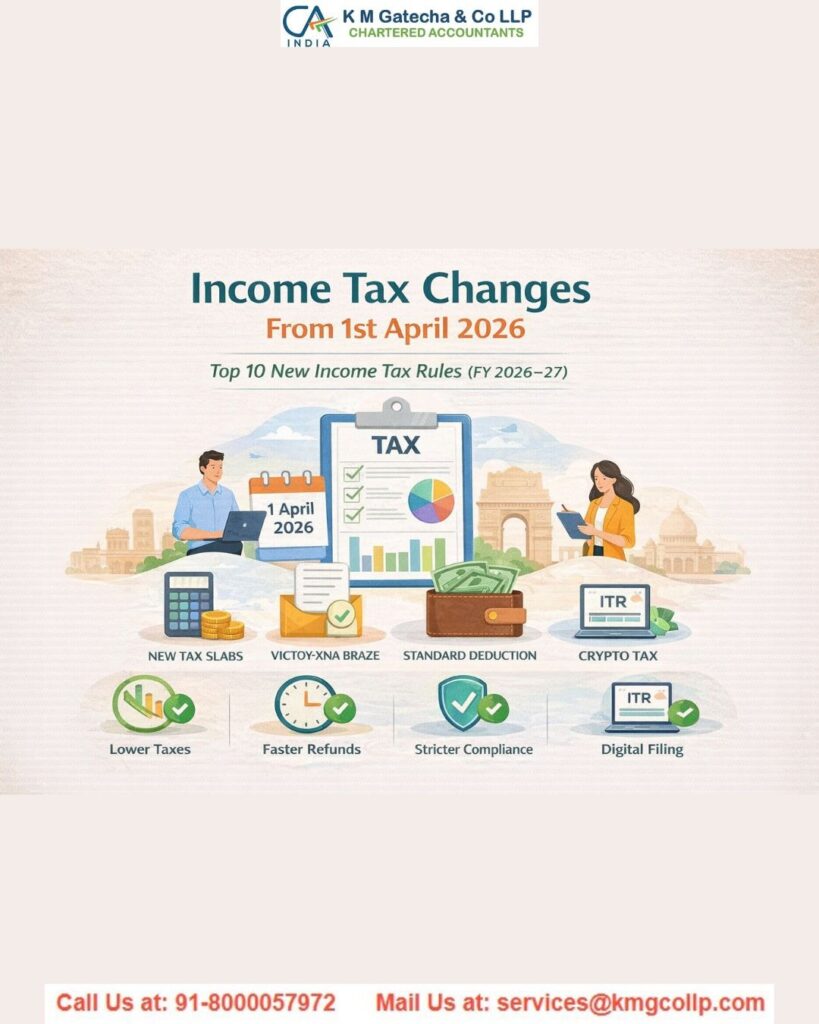
Who Can File Updated Returns via ITR-U?
As stated earlier, most taxpayers are permitted to file an updated return unless specific restrictions apply. Eligible persons include:
- Individuals
- Hindu Undivided Families (HUFs)
- Firms
- Companies
- Associations of Persons (AOP)
- Bodies of Individuals (BOI)
An updated return can be submitted in relation to:
- Original returns
- Revised returns
- Belated returns
A taxpayer may also file an updated return on behalf of another person for whom they act as a representative. It is possible to file an updated return even if a loss return was filed earlier under Section 139(3), except in situations where the updated return itself reflects a loss.
To qualify for filing an updated return, the following conditions must be met:
- The return must declare additional income that was not reported earlier
- The updated return must result in an increased tax liability
- The taxpayer may file it if the original return was not filed or contained errors or omissions
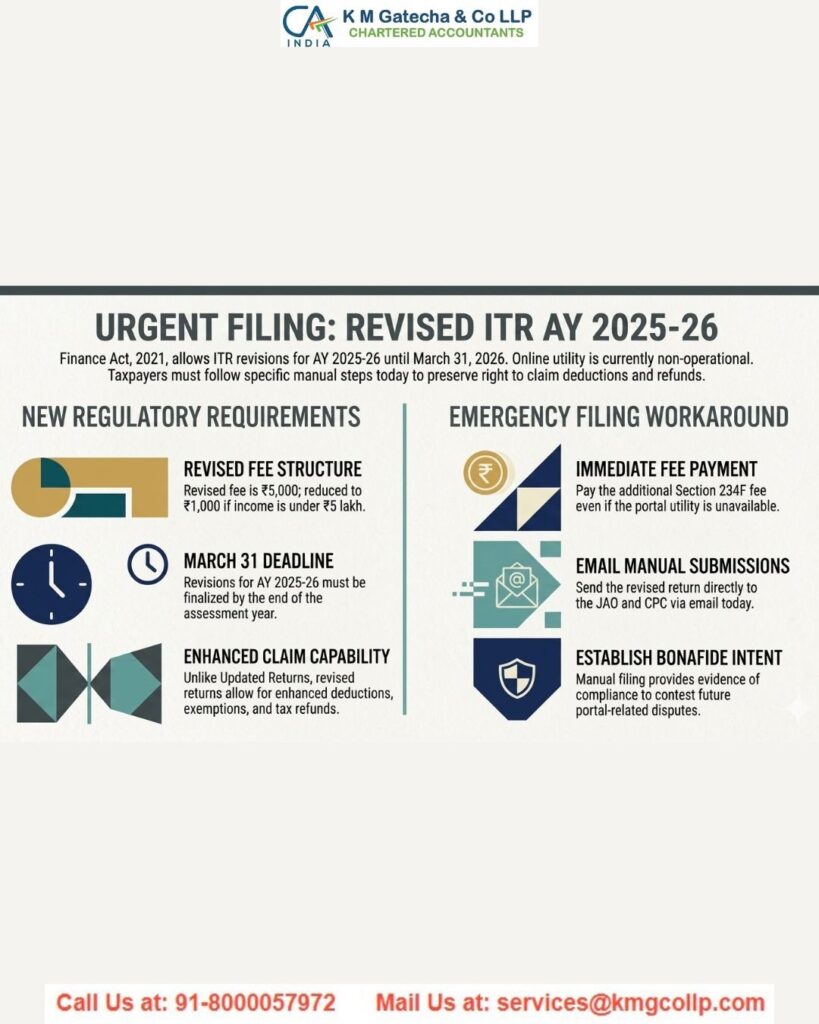
Who Cannot File Updated Returns via ITR-U?
An updated return cannot be filed under Section 139(8A) in the following situations:
- The updated return results in a refund or increases an existing refund amount
- A search under Section 132 has been initiated for the relevant financial year
- The updated return reflects a net loss
- A survey under Section 133A is being conducted for the relevant or earlier years
- Assets such as cash, jewellery, bullion, or other valuables have been seized by the tax authorities
- Books of accounts or documents have been requisitioned under Section 132A
- An updated return has already been filed once for the same year
- Information about the taxpayer has been received under international agreements such as TIEA or DTAA
- Assessment, reassessment, recomputation, or revision proceedings are pending for the relevant year
- The updated return reduces the total tax liability
- Legal prosecution proceedings have been initiated for the relevant assessment year
- Any other cases notified by the CBDT
How to File Updated Returns Using Form ITR-U
The following steps outline the process for filing an updated return:
Step 1: Log in to the official Income Tax e-filing portal.
Step 2: Select the ‘e-File’ option from the top menu, then choose ‘Income Tax Returns’ followed by ‘File Income Tax Returns’.
Step 3: From the drop-down options, select the relevant assessment year and choose the filing type as ‘139(8A) Updated Return’.
Step 4: Provide the required details in the ITR-U form, which consists of two sections:
- Part A: General information related to the return
- Part B: Calculation of updated income and tax liability
Step 5: Upload the offline JSON file to submit the return. An updated version of the applicable ITR form (ITR-1 to ITR-7) must be submitted along with Form ITR-U.
Step 6: Verify the return using either a Digital Signature Certificate (DSC) or an Electronic Verification Code (EVC).
Penalties for Filing Updated Returns
Since updated returns are filed after the end of the relevant assessment year, additional taxes and penalties are generally applicable. Section 140B outlines the calculation of fees, interest, and tax payable on updated returns.
The following payments may apply:
When the ITR Was Not Filed Earlier
If the taxpayer did not file a return for the relevant assessment year, the following amounts must be paid:
- Tax payable on income
- Additional tax
- Late filing fee under Section 234F
- Interest on self-assessment tax under Section 234A
- Interest on assessed tax under Section 234B
- Interest on shortfall in advance tax under Section 234C
When the ITR Was Filed Earlier
If a return was previously filed, the taxpayer must pay:
- Outstanding tax liability
- Additional tax
- Late filing fee under Section 234F
- Interest on delayed payment of advance tax
Any interest already paid in the earlier return will be adjusted, and any refund received earlier will be added back to the total tax payable.
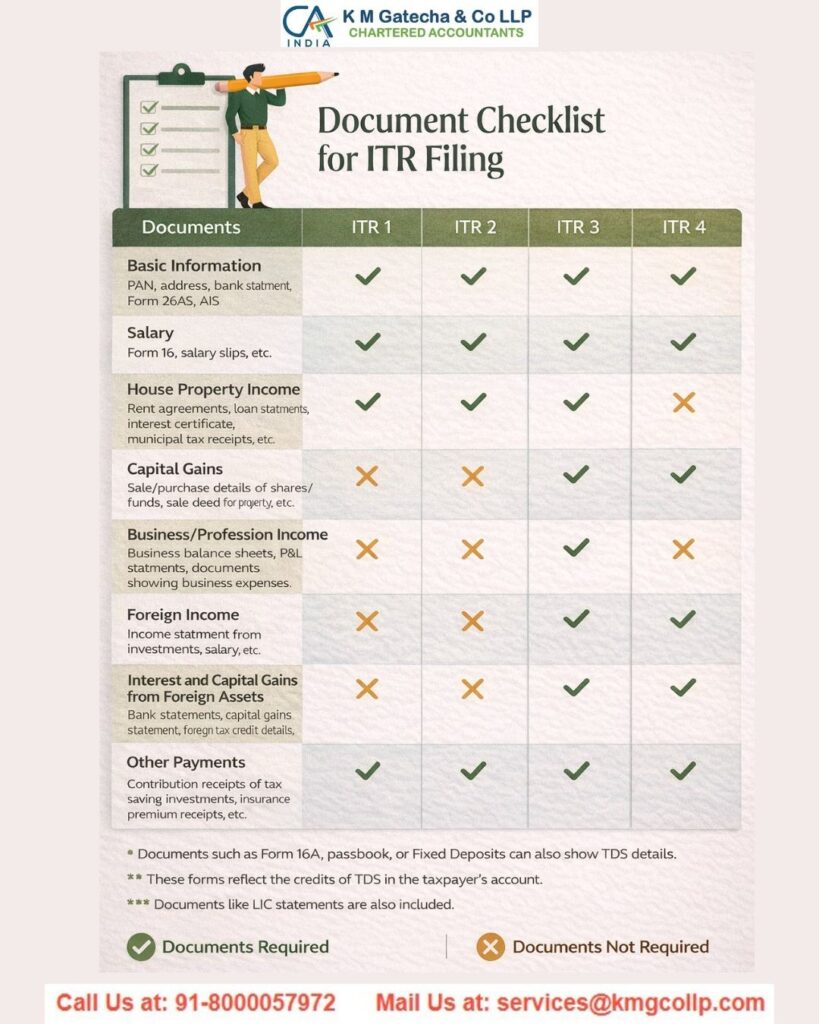
Additional Tax on Previously Unreported Income
| Time of Filing Updated Return | Additional Tax Payable |
| After the due date of revised or belated return but within 1 year from the end of the relevant assessment year | 25% of total tax and interest under Sections 234A, 234B and 234C (plus surcharge and cess) |
| After 1 year but within 2 years from the end of the relevant assessment year | 50% of total tax and interest under Sections 234A, 234B and 234C (plus surcharge and cess) |
Conclusion
The Government of India introduced the updated return facility to strengthen tax compliance and provide taxpayers with an opportunity to correct earlier mistakes. This provision allows individuals and businesses to revise their income details for up to two years after the end of the relevant assessment year.
Taxpayers who face difficulties in tracking due dates, advance tax payments, or filing obligations may consider using reliable tax management software to simplify the process and ensure timely compliance.
Disclaimer: The content on this website is for informational purposes only and does not constitute legal, financial, or professional advice. Please consult qualified experts before acting on any information. K M GATECHA & CO LLP accepts no liability for errors, omissions, or outcomes from the use of this content. This site is not an advertisement or solicitation.