Freelancer and Consultant Taxation Guide
Compared to salaried employees, freelancers and consultants often face greater challenges when it comes to understanding tax obligations and filing income tax returns. Unlike salaried individuals who receive Form 16 and structured employer support, independent professionals usually earn income from multiple clients and projects, making tax compliance slightly more complex.
For tax purposes, the income earned by freelancers and consultants is categorized under “Profits and Gains of Business or Profession (PGBP).”
Let’s break down the tax rules and filing process in a simple manner.
Who Qualifies as a Freelancer or Consultant?
Freelancers and consultants are individuals who provide professional or specialized services independently to clients or organizations. They typically work on assignments, contracts, or project-based arrangements instead of being permanently employed by a single employer.
Freelancers may operate in industries such as graphic design, content writing, web development, photography, and similar creative or technical fields. Consultants generally offer advisory and problem-solving services in areas such as finance, management, human resources, IT, marketing, and business strategy.
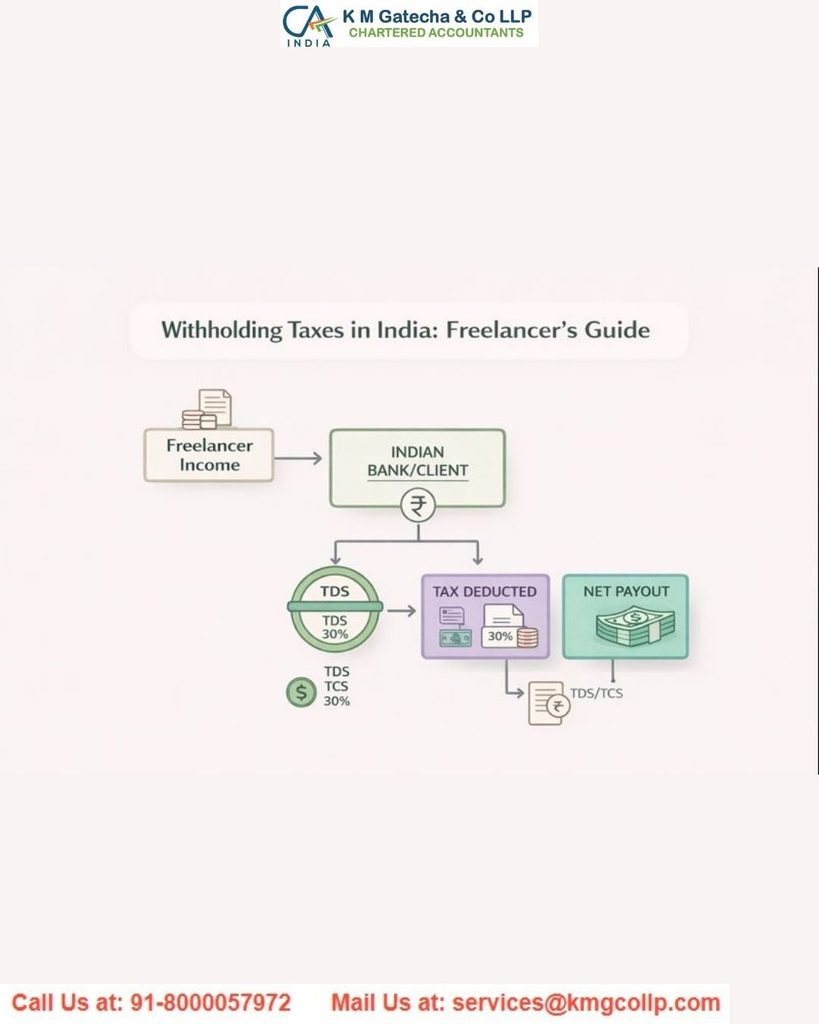
Tax Filing Requirements for Freelancers and Consultants
Choosing the Correct ITR Form
Since freelance and consulting income is treated as business or professional income under PGBP, selecting the appropriate Income Tax Return (ITR) form is essential.
There are two primary ITR forms relevant for such professionals:
ITR-3
This form is applicable to individuals earning income from business or profession along with other sources such as capital gains or income from other heads. Freelancers and consultants must file ITR-3 if:
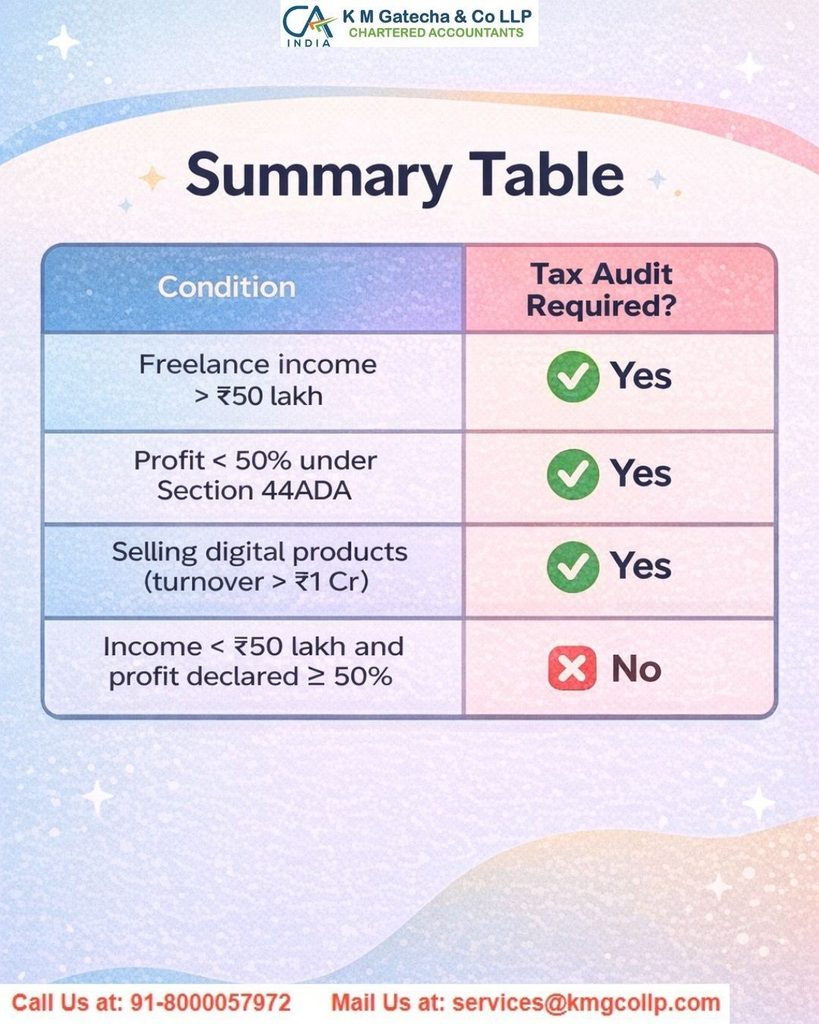
- Their total income exceeds ₹50 lakh, or
- They do not opt for the presumptive taxation scheme under Section 44ADA.
ITR-4 (Sugam Form)
ITR-4 offers a simplified filing option under the presumptive taxation scheme. Professionals with gross receipts up to ₹50 lakh can opt for Section 44ADA. Under this scheme:
- 50% of total gross receipts are deemed as taxable income.
- There is no requirement to maintain detailed books of accounts.
This option reduces compliance burden and simplifies return filing.
Understanding Taxable Income
Freelancers and consultants are taxed on their net income. This means tax is calculated after deducting business-related expenses from the total professional receipts. Eligible deductions may include office rent, internet bills, software subscriptions, travel expenses, and other costs directly related to providing services.
Proper documentation of expenses helps in accurately determining taxable income and reducing overall tax liability.
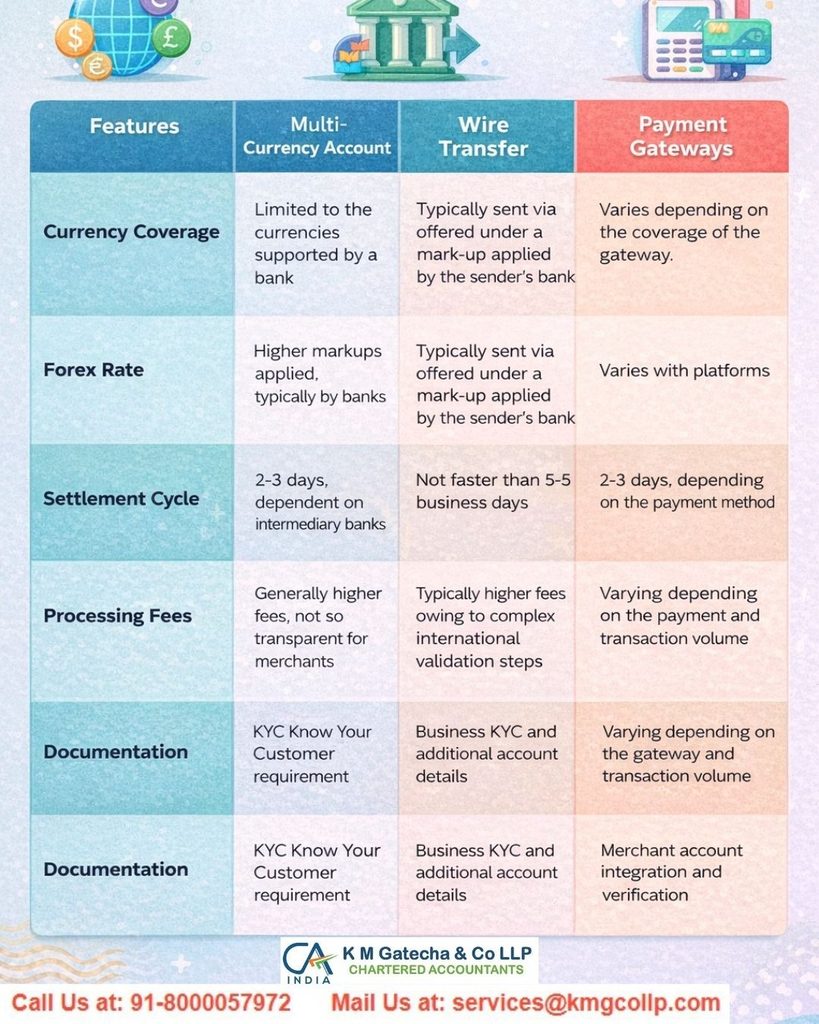
Calculation of Taxable Income
Taxable Income = Total Gross Receipts – Eligible Business Expenses
Freelancers and consultants are taxed on their net professional income, which is calculated after deducting all allowable expenses incurred for earning that income.
Common Allowable Business Expenses
You can claim deductions for expenses that are directly related to your professional work, such as:
- Office Expenses: Rent for office premises, co-working space charges, electricity bills, and other utility expenses.
- Equipment Purchases: Costs of laptops, desktops, printers, cameras, or software required for professional use.
- Travel Costs: Business-related travel expenses including transportation, lodging, and other travel-related charges.
- Internet and Phone Bills: Deductible to the extent they are used for business purposes.
- Professional Fees: Payments made to accountants, lawyers, consultants, or other service providers.
- Advertising and Promotion: Expenses incurred on digital marketing, website development, branding, or promotional campaigns.
- Office Supplies: Purchase of stationery, printer cartridges, and other necessary supplies.
- Depreciation: Depreciation can be claimed on business assets such as computers, laptops, and other professional equipment as per income tax rules.
Maintaining proper invoices and documentation is important to support these deductions.
TDS Verification and Investment Reporting
Before filing your return, it is essential to verify tax credits and financial information:
- Check Form 26AS: Review the TDS (Tax Deducted at Source) deducted by clients, banks, or other entities. Clients may deduct TDS under Section 194J if annual professional fees exceed ₹30,000.
- Review AIS (Annual Information Statement): Verify details of income, stock investments, mutual funds, fixed deposits, and other financial transactions.
Ensure that all income and investments are correctly disclosed and claim the appropriate credit for TDS deducted.
Tax-Saving Deductions (Old Tax Regime)
Freelancers and consultants opting for the old tax regime can reduce their tax liability by claiming eligible deductions under Chapter VI-A. Some commonly used sections include:
Section 80C
Allows a deduction of up to ₹1.5 lakh for specified investments and expenses, such as:
- Public Provident Fund (PPF)
- Employees’ Provident Fund (EPF)
- Equity Linked Saving Schemes (ELSS)
- Unit Linked Insurance Plans (ULIP)
- Life insurance premiums
- Principal repayment of home loan
- Tuition fees for up to two children
Section 80D
Provides deduction of up to ₹50,000 for health insurance premiums and certain medical expenses for self, spouse, children, and parents.
Section 80TTA
Allows deduction of up to ₹10,000 on interest earned from savings accounts with banks or post offices.
Section 80G
Offers deduction of 50% or 100% of donations made to eligible charitable institutions, relief funds, and approved NGOs, subject to conditions.
Section 80E
Allows deduction for interest paid on education loans for higher studies, with no maximum limit on the amount of interest claimed (subject to specified period).
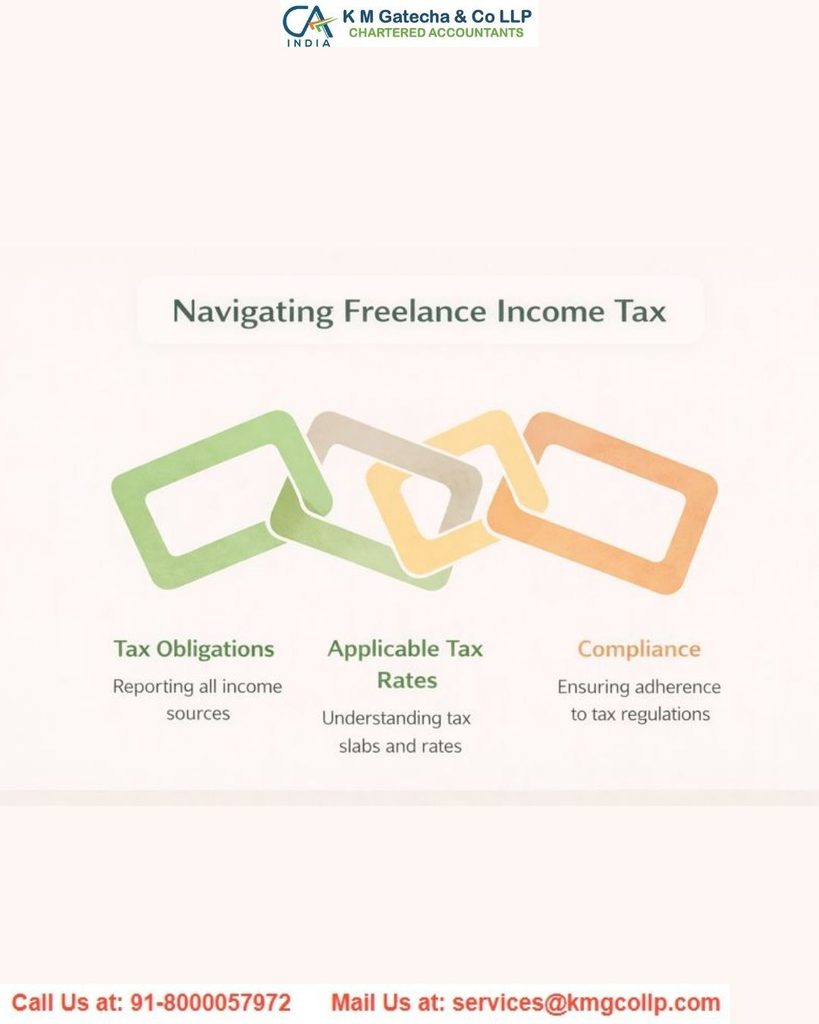
Important Note on Presumptive Taxation (Section 44ADA)
If a freelancer or consultant opts for the presumptive taxation scheme under Section 44ADA, 50% of the total gross receipts are treated as taxable income. No additional business expenses can be claimed beyond this standard 50% deduction.
However, professionals can still claim eligible tax-saving deductions under sections such as 80C, 80D, 80E, and other Chapter VI-A provisions (if opting for the old tax regime).
Step-by-Step Process to File Income Tax Return Online
Freelancers and consultants can file their income tax returns online by following these steps:
1. Log in to the Income Tax Portal
Visit the official Income Tax e-filing portal and log in using your PAN, password, and captcha code.
2. Select “e-File” Option
From the dashboard, click on “e-File” and choose “Income Tax Return.”
3. Choose the Assessment Year and ITR Form
Select the relevant assessment year (for example, AY 2025–26) and choose the applicable form — typically ITR-3 or ITR-4 for freelance or consultancy income.
4. Enter Income Details
Report your professional income under the head “Income from Business or Profession.”
5. Claim Eligible Deductions
Provide details of applicable deductions under relevant sections to reduce your taxable income.
6. Review and Validate
Carefully verify all entries, validate the form to check for errors, and ensure that income, TDS, and deduction details are correct.
7. Submit and e-Verify
Submit the return and complete e-verification within 30 days using Aadhaar OTP, Electronic Verification Code (EVC), or Digital Signature Certificate (DSC).
8. Download the Acknowledgment
Save the ITR-V acknowledgment for your records and future reference.
Smart Tax Planning Matters
Effective tax planning is not just about claiming deductions at the end of the financial year. It involves strategically structuring income, expenses, and investments to align with long-term financial goals while ensuring compliance.
A qualified financial advisor can assist in organising finances efficiently and minimising tax liability through proper planning.
Conclusion
For freelancers and consultants, understanding taxable income, business expense deductions, tax-saving provisions, and return filing procedures can significantly simplify compliance. Maintaining proper records of income and expenses is essential for accurate reporting.
Choosing the correct ITR form and filing returns before the due date helps avoid penalties and last-minute pressure. Professional guidance can further ensure timely, accurate, and optimised tax filing while keeping your financial objectives on track.
Disclaimer: The content on this website is for informational purposes only and does not constitute legal, financial, or professional advice. Please consult qualified experts before acting on any information. K M GATECHA & CO LLP accepts no liability for errors, omissions, or outcomes from the use of this content. This site is not an advertisement or solicitation.