

Form 27Q in Income Tax
Form 27Q is a quarterly TDS (Tax Deducted at Source) return specifically for payments made to Non-Resident Indians (NRIs) and foreign companies, excluding salaries. It ensures compliance and transparency in cross-border transactions.
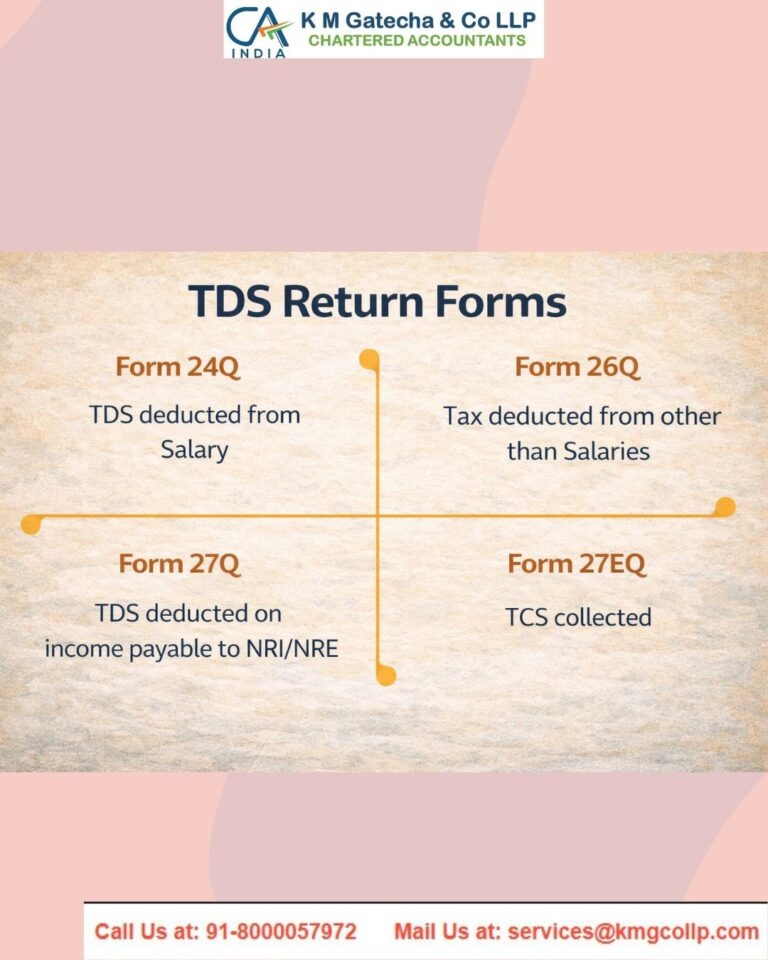
What is TDS Return?
- TDS (Tax Deducted at Source): Tax collected at the point of income generation.
- Deductor’s Responsibility: Deduct tax before making payment and deposit it with the government.
- TDS Return: Statement submitted quarterly to the Income Tax Department, showing TDS deducted and deposited.
Form 27Q is a specific TDS return for non-salary payments to NRIs and foreign entities, such as:
- Interest payments
- Dividend payments
- Royalty
- Fees for technical services
- Any other income payable to non-residents
Applicability of Form 27Q
You must file Form 27Q if you are a deductor making payments to non-residents, except for salary payments (which are reported in Form 27A/26Q).
Who should file Form 27Q?
- Indian companies or individuals making payments to NRIs
- Businesses making payments to foreign companies/entities
- Financial institutions paying interest or dividends to NRIs
Details Required in Form 27Q
Form 27Q includes:
- Deductor Details: Name, TAN, PAN
- Non-Resident Payee Details: Name, address, PAN (if available)
- Payment Information: Amount paid and TDS deducted
- TDS Deposit Details: Challan number, date of deposit, and amount
- Quarter Details: Financial quarter and assessment year
Step-by-Step Process to File Form 27Q
- Collect Information:
Gather payee details, TDS amount, payment date, and TDS deposit challans. - Prepare Form 27Q:
Use TDS software or offline utility provided by the Income Tax Department. Fill in the deductor and payee details accurately. - Validate the Form:
Ensure all PANs, TANs, and amounts are correct. Errors can lead to penalties. - Submit Quarterly:
File the form for each quarter:
- Q1: April – June
- Q2: July – September
- Q3: October – December
- Q4: January – March
- Generate Acknowledgment:
After successful submission, an acknowledgment is generated. Keep it for record and compliance.
Key Points
- Filing Form 27Q is mandatory to avoid penalties under the Income Tax Act.
- Applicable only for non-salary payments to non-residents.
- Ensures TDS compliance and transparency in cross-border transactions.
- Must be filed quarterly, with accurate payee and deductor details.
Parties Involved in TDS Payment
- Deductor (Payer):
- Individual or entity making the payment to a non-resident.
- Responsible for deducting TDS at the prescribed rate and filing Form 27Q.
- Payee (Non-Resident):
- Recipient of the payment, such as an NRI or foreign company.
- TDS is deducted on their income in India.
- Income Tax Department:
- Regulatory authority that oversees TDS compliance.
- Processes Form 27Q submissions and ensures proper credit of taxes.
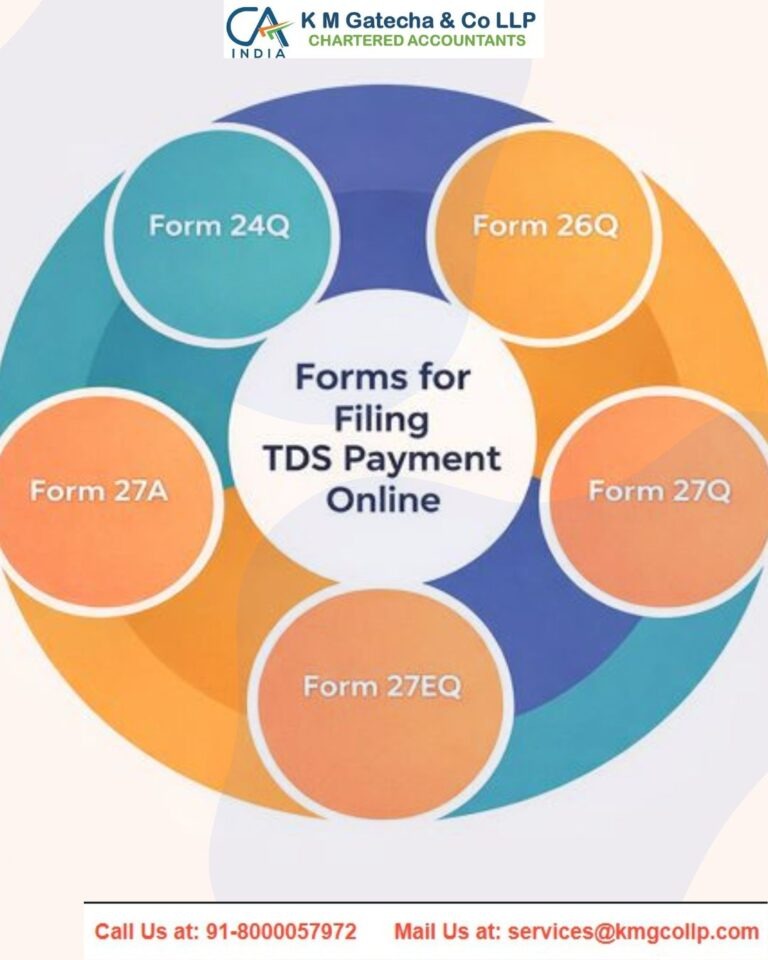
TDS Rates under Form 27Q
The TDS rate depends on the type of payment being made to the non-resident:
| Type of Payment | TDS Rate |
| Interest on securities | 20% |
| Dividend income | 20% |
| Royalty | 10% |
| Technical services | 10% |
| Rent | 30% |
Important Notes:
- If the payee does not provide a valid PAN, TDS may be deducted at a higher rate of 20%.
- Use online TDS calculators to avoid errors while computing the deduction.
Lower TDS Rate or Exemption for NRIs
NRIs can reduce their TDS liability by:
- Filing Form 13 under Section 197 of the Income Tax Act.
- Providing supporting documents such as:
- Income details
- Tax Residency Certificate (TRC)
- Other proofs required by the IT department
Once approved, a lower TDS rate or exemption is applied to their payments in India.
Details Required in Form 27Q
While filing Form 27Q, ensure you provide accurate information in the following categories:
- Deductor Details (Payer)
- Name of the deductor
- Address
- PAN (Permanent Account Number)
- TAN (Tax Deduction and Collection Account Number)
- Payee Details (Non-Resident)
- Name of the payee
- Address
- PAN (if available)
- Tax residency status (NRI, foreign company, etc.)
- Payment Details
- Nature/type of payment (interest, dividend, royalty, rent, technical service fee, etc.)
- Payment amount
- Date of payment
- Tax Details
- TDS amount deducted
- Surcharge, if applicable
- Health & education cess
⚠️ Accuracy is critical: Incorrect details may lead to rejection, penalties, or notice from IT authorities.
Form 27Q Filing Due Dates
Form 27Q is a quarterly TDS return, with the following due dates:
| Quarter | Due Date |
| April – June | 31st July |
| July – September | 31st October |
| October – December | 31st January |
| January – March | 31st May |
⚠️ Late filing penalty: ₹200 per day under Section 234E until the return is filed.
Classification of Form 27Q
Form 27Q is classified based on:
- Resident Status: Applicable only for payments to non-residents.
- Type of Income: Covers payments other than salaries, like interest, dividends, royalties, rent, and fees for technical services.
- Regulatory Requirement: Mandated under Section 195 of the Income Tax Act, ensuring transparency and tracking of TDS on cross-border payments.
Procedure for TDS Deduction under Form 27Q
To comply with TDS rules for non-residents, follow these steps:
- Identify TDS Rate
- Determine the applicable TDS rate based on the type of payment (interest, dividend, royalty, rent, technical service fees, etc.).
- If PAN is not provided by the payee, TDS may be deducted at a higher rate (usually 20%).
- Deduct TDS Before Payment
- Deduct the calculated TDS amount before making the payment to the non-resident.
- This applies even for payments in cash, kind, or crypto-to-crypto transfers if applicable.
- Deposit TDS with Government
- Deposit the deducted TDS using authorized challans within the prescribed due dates.
- Timely deposit ensures no interest or penalties under Section 201 or 234E.
- File Form 27Q Quarterly
- Report all deductions in the quarterly TDS return (Form 27Q).
- Include deductor and payee details, payment type, amount, and TDS deducted.
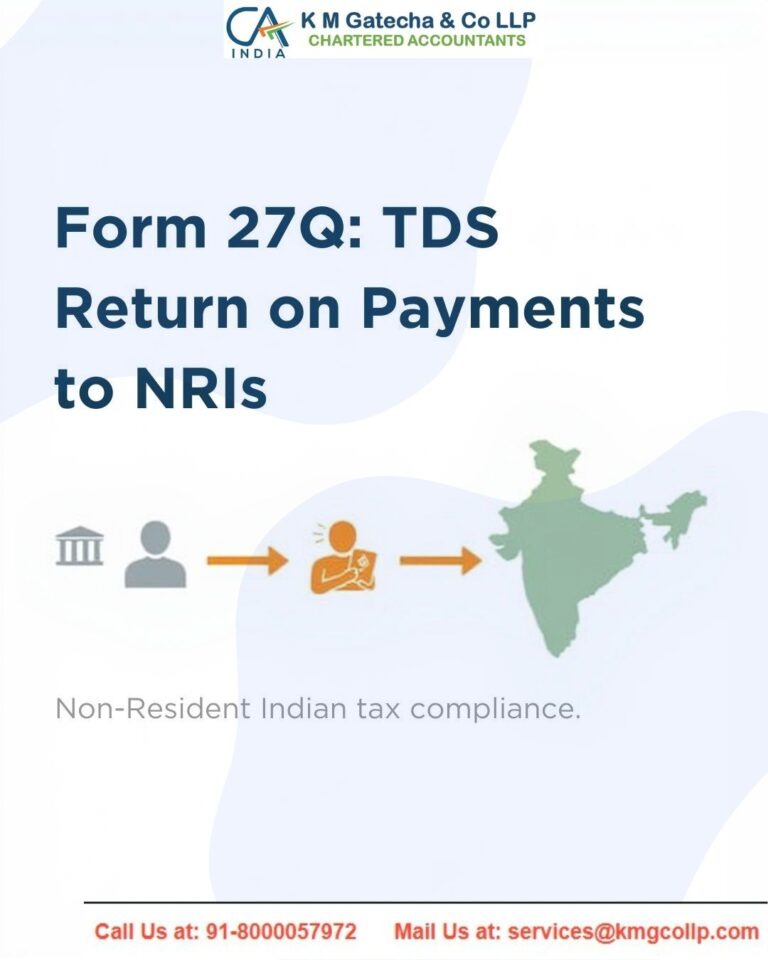
How to Fill Form 27Q Online
Follow these steps for online filing via TIN-NSDL portal:
- Visit TIN-NSDL Website
- Official site: https://www.tin-nsdl.com
- Login Using TAN Credentials
- Use your TAN (Tax Deduction and Collection Account Number) and password to access the portal.
- Download the RPU Form
- RPU = Return Preparation Utility, which is used to prepare the TDS return offline before uploading.
- Fill Mandatory Details
- Deductor Details: Name, TAN, PAN, address
- Payee Details: Name, PAN (if available), address, residency status
- Payment Details: Nature of payment, date, amount
- TDS Details: Amount deducted, surcharge, and cess
- Validate the Form
- Use File Validation Utility (FVU) to check for errors and ensure data integrity.
- Upload the Validated File
- Upload the validated .fvu file to the portal and submit.
- On successful upload, you will get an acknowledgment for the quarterly filing.
⚠️ Important: Ensure all details are accurate. Errors in PAN, TAN, or payment details can result in return rejection or penalties.
Late Filing of Form 27Q
If a TDS return under Form 27Q is filed after the due date, the following penalties and interest apply:
- Late Fee under Section 234E
- Rs. 200 per day of delay until the return is filed.
- Interest on TDS
- 1% per month on TDS not deducted on time.
- 1.5% per month on TDS deposited late with the government.
Example:
- Payment made: ₹1,00,000 in July
- TDS return filed: October
- Penalties and interest could accumulate substantially, making timely filing critical.
TDS Certificate (Form 16A)
- A TDS certificate is issued to the payee for every quarter as proof of tax deducted.
- Purpose: Verifies TDS deduction and ensures compliance.
- Generated quarterly, it is mandatory for both deductor and payee records.
Conclusion
Form 27Q is essential for TDS compliance on payments to NRIs and foreign entities. Timely and accurate filing:
- Avoids late fees and interest.
- Ensures transparency in financial transactions.
- Provides proper TDS certificates (Form 16A) for payees.
✅ Tip: Keep detailed records of all payments and TDS deductions to simplify filing and prevent errors.
Disclaimer: The content on this website is for informational purposes only and does not constitute legal, financial, or professional advice. Please consult qualified experts before acting on any information. K M GATECHA & CO LLP accepts no liability for errors, omissions, or outcomes from the use of this content. This site is not an advertisement or solicitation.


