Form 1120: US Corporation Income Tax Return Filing Explained
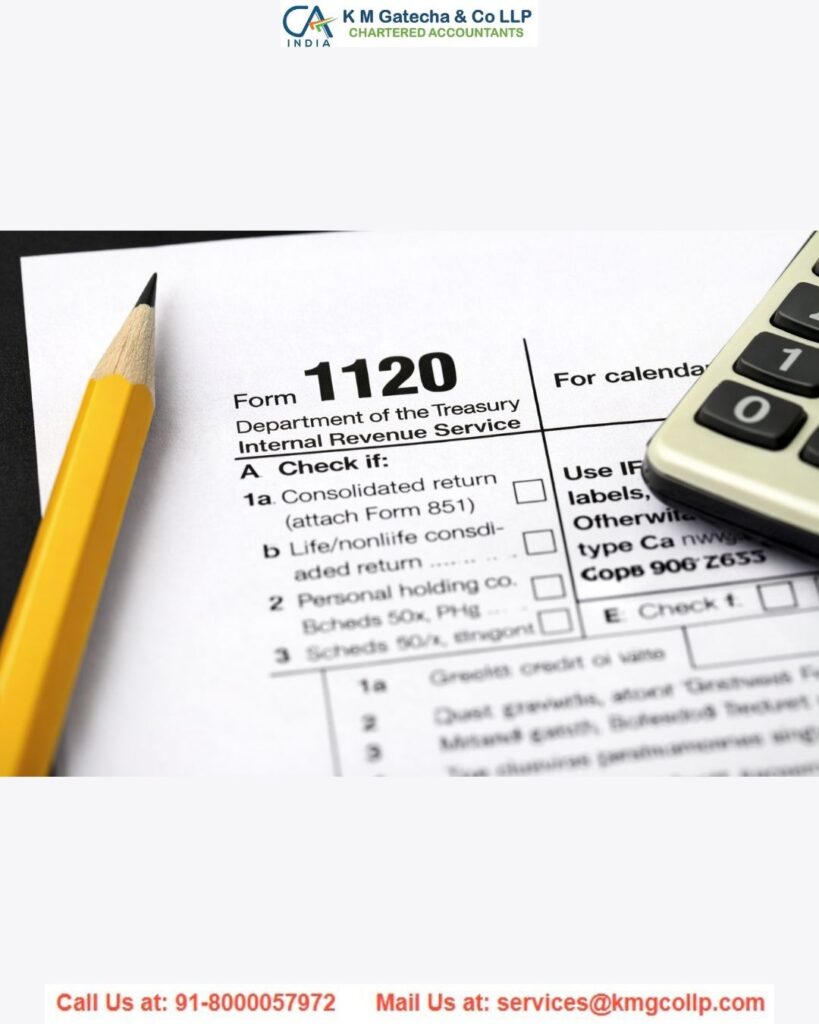
Filing corporate taxes is a key compliance requirement for businesses operating in the United States. One of the most important forms used for this purpose is Form 1120, which is the official income tax return for C corporations.
Understanding how Form 1120 works is essential for proper tax compliance, accurate reporting, and avoiding penalties.
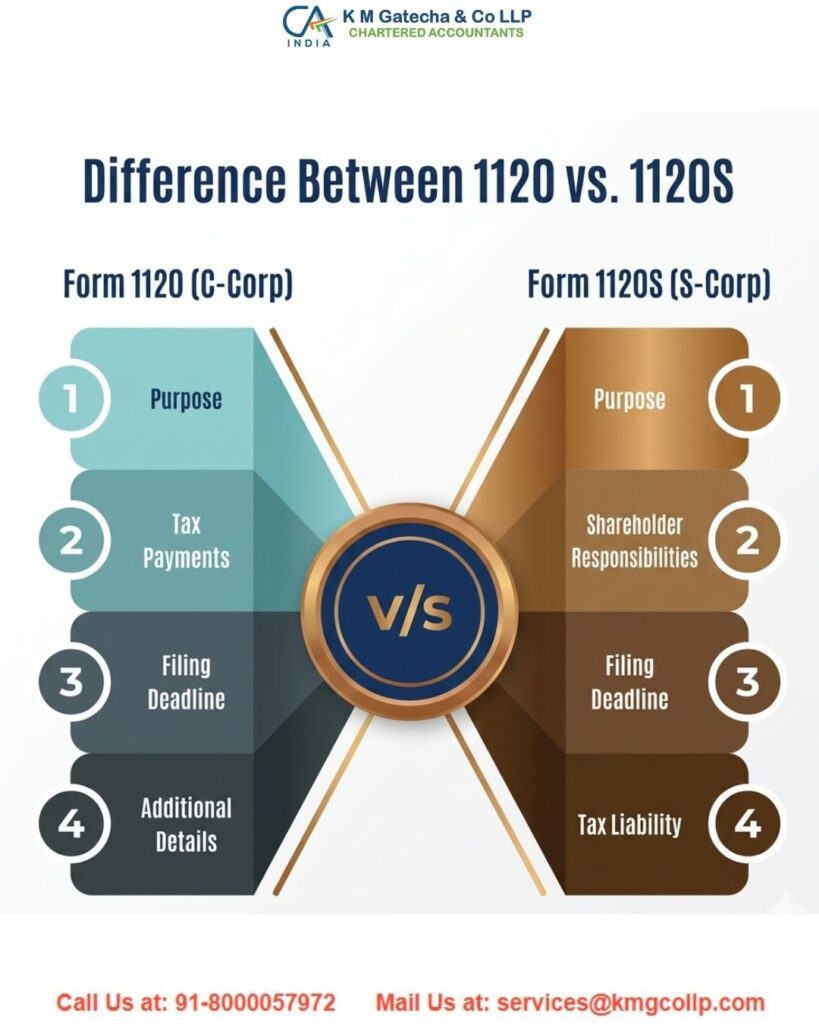
What Is Form 1120?
Form 1120 is used by C corporations in the US to report:
- Income earned during the financial year
- Expenses incurred in business operations
- Taxable income
- Tax liability
It is filed annually with the Internal Revenue Service (IRS).
Who Needs to File Form 1120?
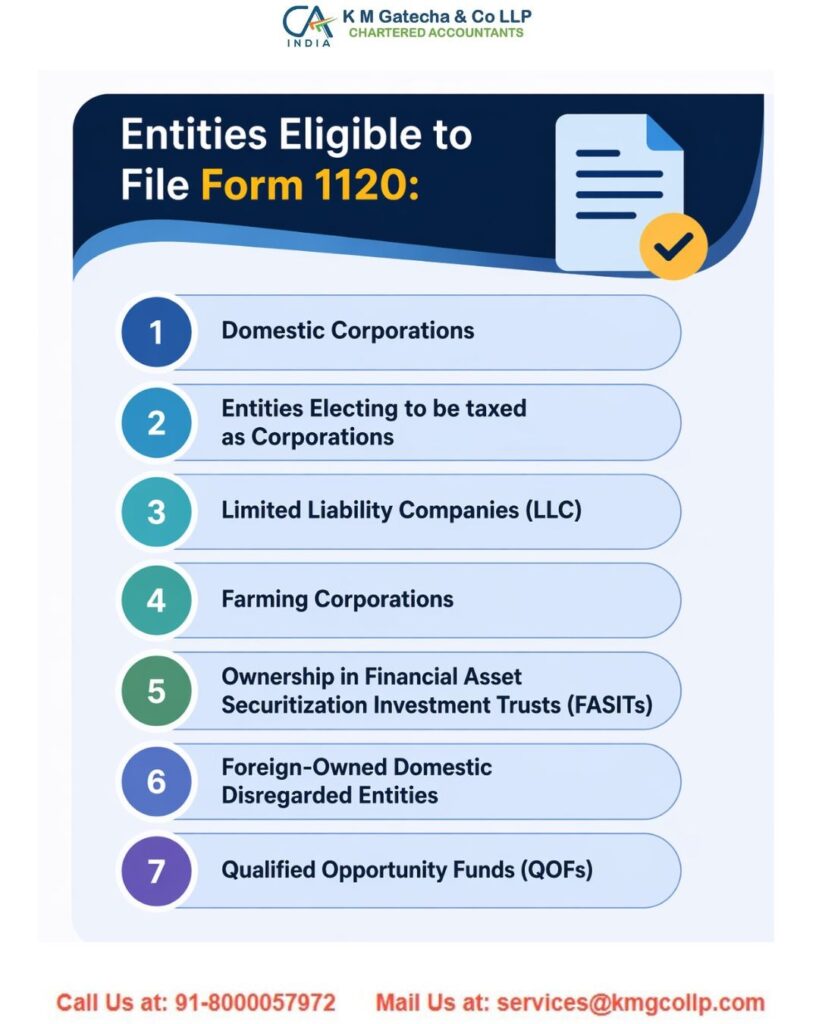
All C corporations registered in the United States must file Form 1120, regardless of profit or loss.
This includes companies that:
- Are actively operating
- Have no income (must still file)
- Are foreign-owned but registered in the US
Key Components of Form 1120
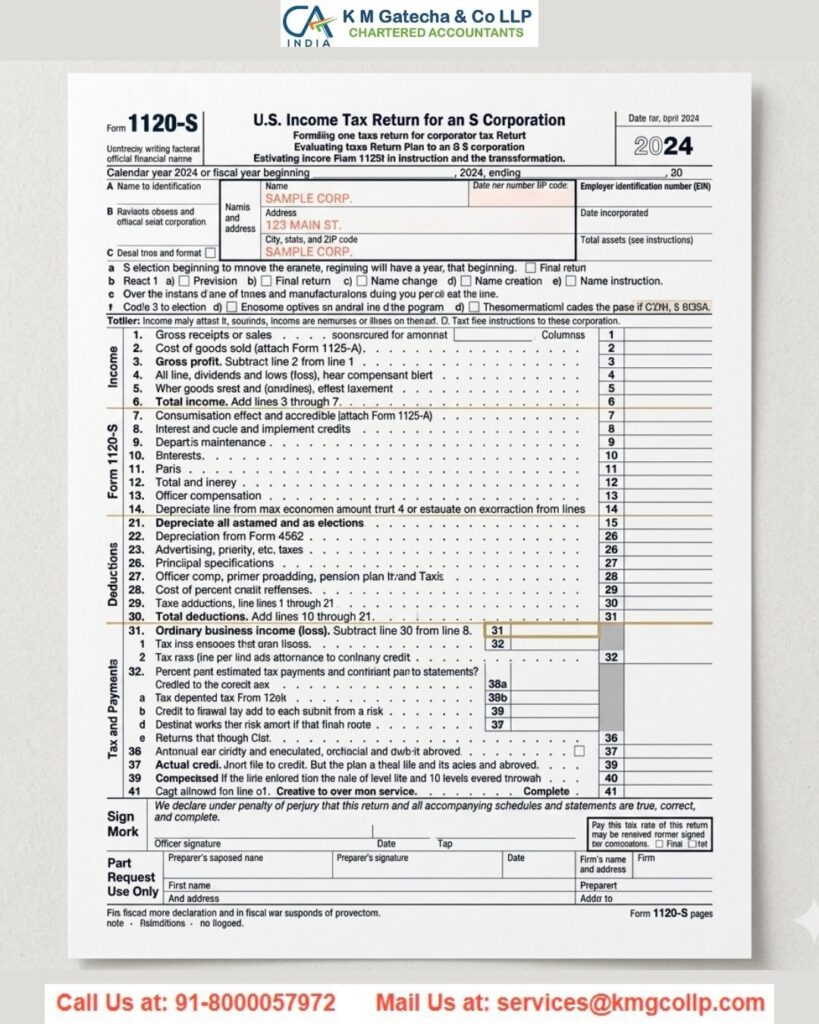
Form 1120 includes detailed financial information such as:
1. Income Details
Businesses must report total revenue from operations.
2. Cost of Goods Sold (COGS)
This includes production and direct business costs.
3. Business Expenses
Operational expenses like salaries, rent, utilities, and marketing.
4. Tax Calculation
After deductions, taxable income is calculated, and tax liability is determined.
Filing Deadline for Form 1120
The standard deadline for filing Form 1120 is:
- 15th day of the 4th month after the end of the company’s tax year
For calendar-year corporations, this is typically April 15.
Extensions may be available if requested in advance.
Documents Required for Filing
To file Form 1120, businesses generally need:
- Financial statements (profit & loss, balance sheet)
- Payroll records
- Expense reports
- Previous tax returns (if applicable)
- Accounting records
Proper documentation ensures accurate reporting and compliance.
Steps to File Form 1120
1. Gather Financial Data
Collect all income and expense records.
2. Calculate Taxable Income
Subtract allowable expenses from total income.
3. Complete the Form
Fill in all required sections accurately.
4. Review for Accuracy
Check for errors or missing details.
5. Submit to IRS
File electronically or by mail before the deadline.
Penalties for Late Filing
Failure to file Form 1120 on time may result in penalties such as:
- Monthly late filing penalties
- Interest on unpaid taxes
- Additional compliance actions by IRS
Timely filing is crucial to avoid unnecessary costs.
Common Mistakes to Avoid
- Incorrect income reporting
- Missing expense deductions
- Calculation errors
- Late submission
- Incomplete documentation
Proper accounting and review can help avoid these issues.
Importance of Form 1120 Compliance
Filing Form 1120 correctly helps businesses:
- Maintain legal compliance
- Avoid penalties and audits
- Build financial credibility
- Ensure transparent reporting
It is a critical part of corporate tax responsibility in the US.
Conclusion
Form 1120 is an essential tax filing requirement for C corporations in the United States. It ensures accurate reporting of income, expenses, and tax liability.
By understanding the filing process, deadlines, and documentation requirements, businesses can stay compliant and avoid penalties while maintaining proper financial records.
Disclaimer: The content on this website is for informational purposes only and does not constitute legal, financial, or professional advice. Please consult qualified experts before acting on any information. K M GATECHA & CO LLP accepts no liability for errors, omissions, or outcomes from the use of this content. This site is not an advertisement or solicitation.