Form 1120: What It Is and How to File
Tax filing can often feel complex, but understanding the forms your business must submit can make the process much easier. Here is what you should know about Form 1120.
Form 1120: Meaning and Purpose
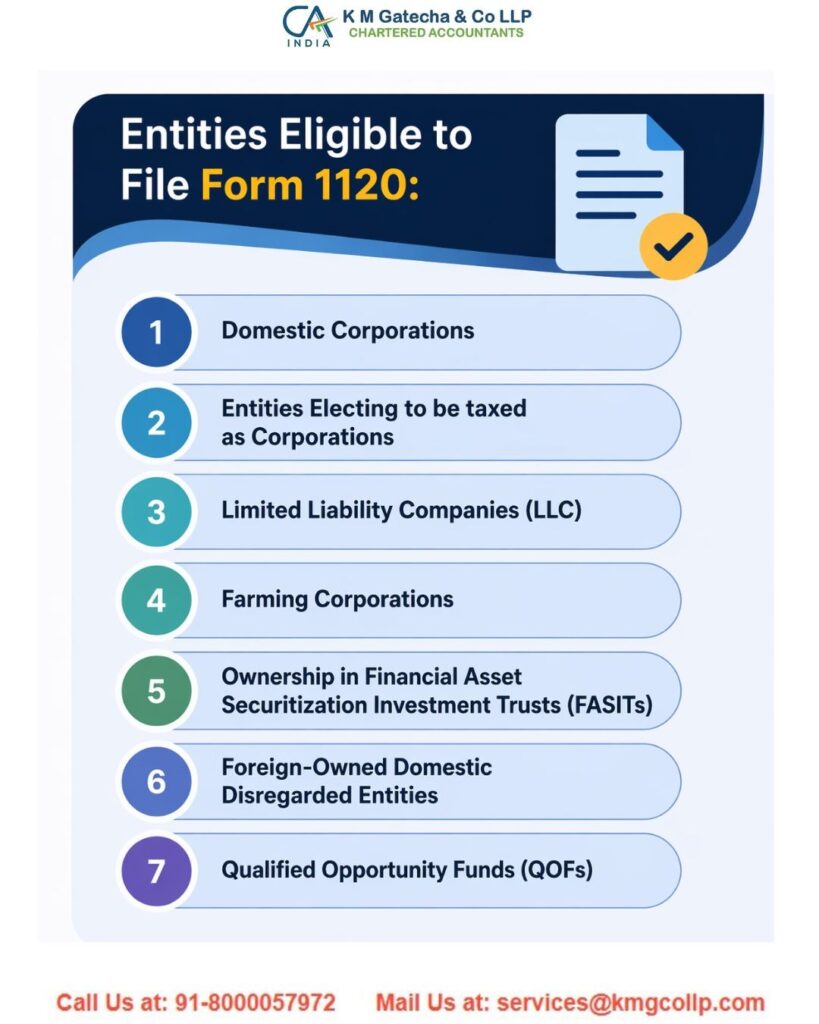
Form 1120 is the U.S. Corporation Income Tax Return form. It is used to report a corporation’s income, gains, losses, deductions, and credits, and to calculate the company’s tax liability. This form is generally used by C corporations and certain LLCs that are treated as corporations for tax purposes. (LLCs with two or more members are usually taxed as partnerships unless they choose otherwise.)
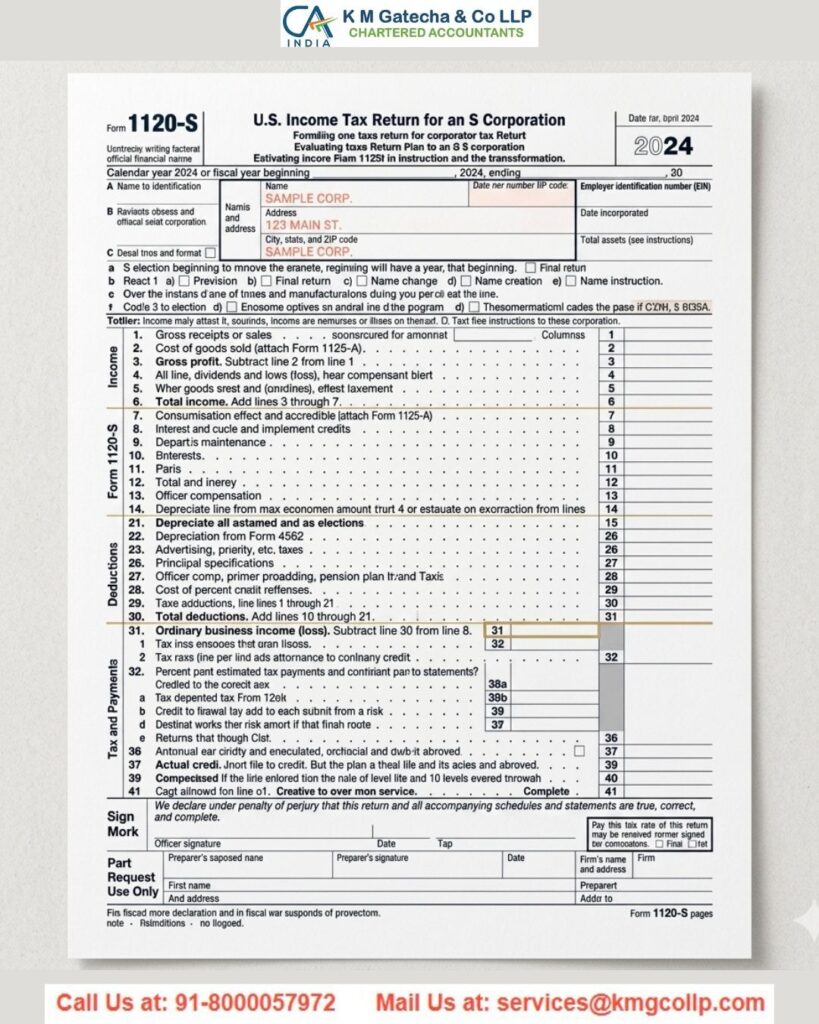
Except for exempt entities, all domestic corporations are required to file an income tax return even if they do not have taxable income. Unless a corporation qualifies for or elects a different type of return, Form 1120 must be filed.
Filing Form 1120
Form 1120 can be filed either online or by mail. In most cases, corporations must file their return by the 15th day of the fourth month after the end of their tax year. However, this deadline may shift in certain cases, such as weekends or public holidays.
How to File Form 1120 Online
Businesses can complete Form 1120 using IRS Free File or approved tax software if they are comfortable filing on their own. Alternatively, a professional tax preparer can assist with filing. The IRS also provides updated instructions and guidance related to the form.
Key Filing Requirements
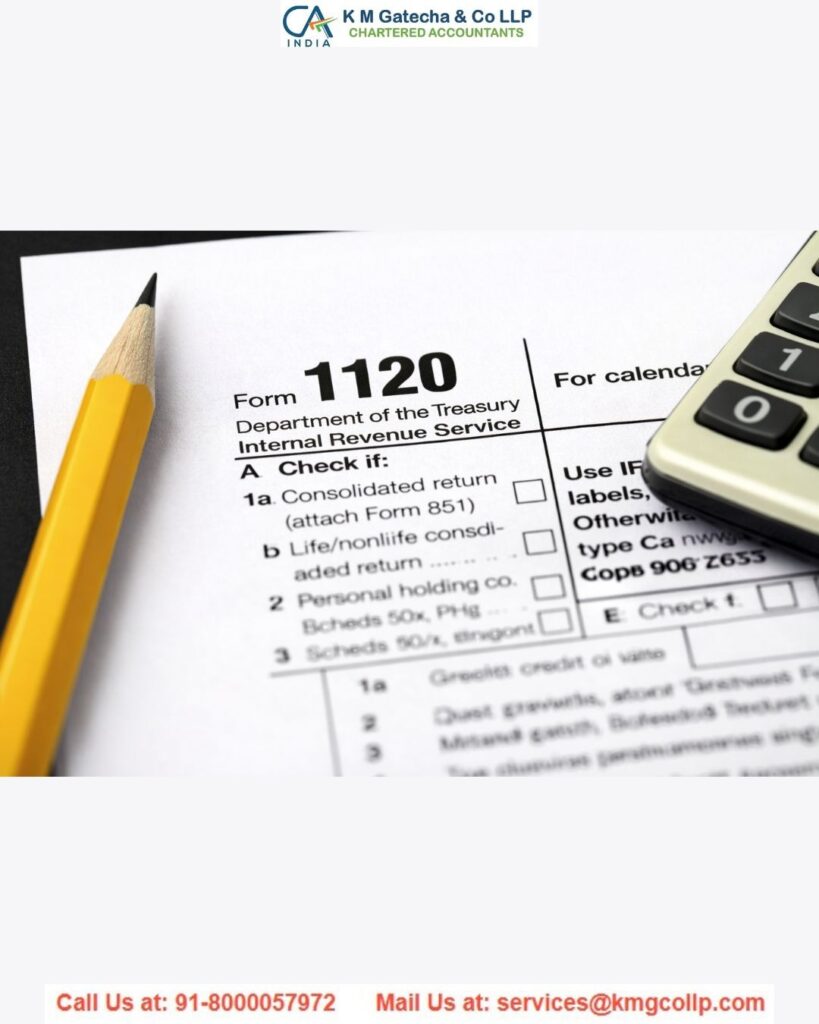
Form 1120 is a detailed document divided into multiple sections. One of the initial sections requires basic corporate details such as the company name, address, incorporation date, employer identification number (EIN), and total assets.
Income and Deductions
In the first page of Form 1120, the taxpayer is required to report all sources of income and applicable deductions. Begin by entering all income components such as profits, interest income, and dividends. After that, list the allowable deductions, which may include salaries and wages, employee benefit programs, and charitable donations.
Schedule C: Dividends, Inclusions, and Special Deductions
Schedule C is used to disclose dividends received from both domestic and foreign entities. If the corporation has not earned any dividend income, this section can be left blank.
Schedule J: Tax Computation and Payment
Schedule J is used to calculate the total tax liability of the corporation for the financial year. It takes into account deductions, tax credits, prior year tax adjustments, and advance tax payments made during the year to determine the final tax payable.
Schedule K: Other Information
Schedule K captures additional details relevant to the return, including ownership structure, foreign transactions, and tax-exempt income. Only the applicable fields need to be filled based on the corporation’s activities.
Line 13 requires the taxpayer to confirm whether total income and assets exceed $250,000. If this condition is met, Schedule L does not need to be completed.
Schedule L: Balance Sheet (Per Books)
Schedule L includes details from the company’s balance sheet such as assets, liabilities, and shareholder equity. The IRS cross-verifies this data with other parts of Form 1120 to ensure consistency in reporting.
Schedule M-1: Reconciliation of Income
Schedule M-1 is used to reconcile book income with taxable income. It accounts for differences arising from items recorded in financial statements but not considered for tax purposes.
Schedule M-2: Analysis of Retained Earnings
Schedule M-2 reflects the movement of unappropriated retained earnings in the books. It represents profits that have not been allocated for dividends, reserves, or other specific uses.
About the Form 1120 Series
There are multiple variations of Form 1120 that may apply to a business depending on its legal structure and nature of operations. Each form is designed for a specific type of entity.
Some important forms in the 1120 series include:
- Form 1120-C: Used by cooperative associations to report income and taxes
- Form 1120-H: Used by homeowners associations, including condominium and residential property management bodies
- Form 1120-L: Used by life insurance companies for income tax reporting
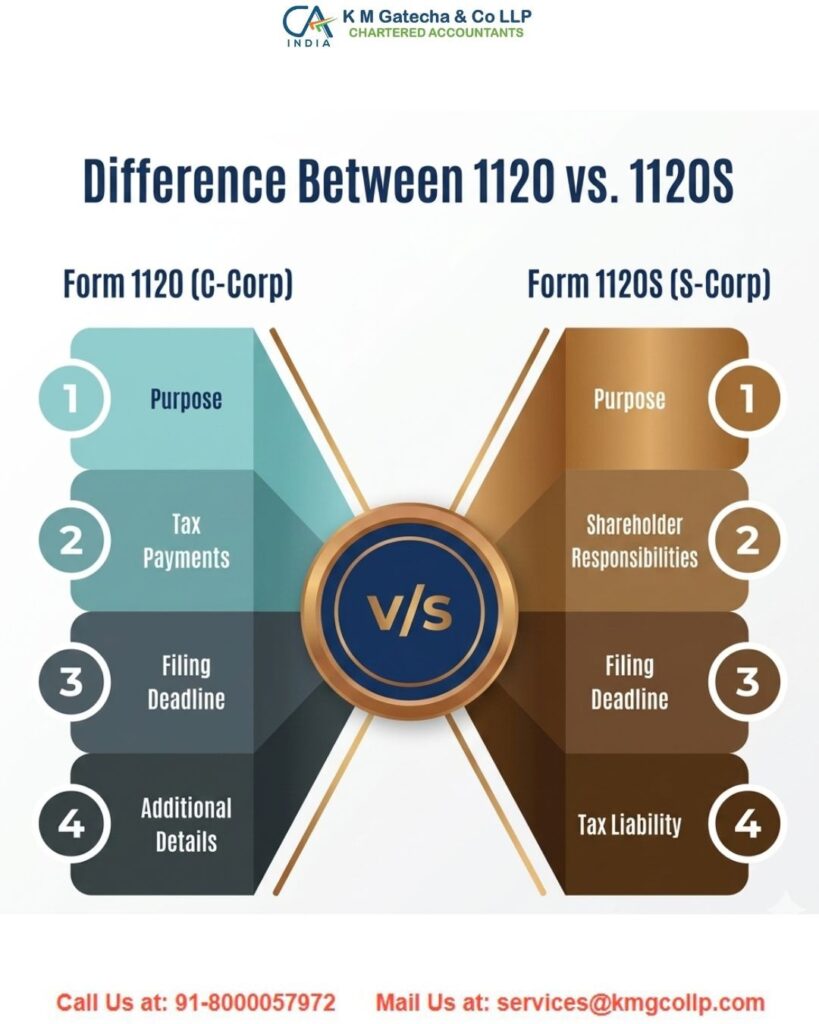
- Form 1120-S: Used by S corporations to report income, deductions, and pass-through taxation details
In addition to these corporate tax forms, the IRS also recognizes certain organizations as tax-exempt entities. These include charitable organizations, social welfare organizations, labour unions, and social clubs.
Such tax-exempt entities are generally required to file annual information returns like Form 990 or Form 990-EZ. These filings help maintain their exempt status and ensure transparency regarding their financial activities.
Disclaimer: The content on this website is for informational purposes only and does not constitute legal, financial, or professional advice. Please consult qualified experts before acting on any information. K M GATECHA & CO LLP accepts no liability for errors, omissions, or outcomes from the use of this content. This site is not an advertisement or solicitation.