
Ultimate Guide to Form 145 and Form 146 for Foreign Remittance Compliance
From April 2026, the Income Tax Department is introducing a new system for reporting foreign remittances. Form 145 and Form 146 will replace the earlier Form 15CA and Form 15CB.
This change aims to simplify the process, make it more digital, reduce paperwork, and improve transparency in reporting foreign transactions.
What is Form 145?
Form 145 is the new foreign remittance declaration form under the Income-tax Act, 2025. It replaces Form 15CA. Form 145 is required to be filed before making payment to a non-resident, not being a company, or to a foreign company, where reporting is required under the Income-tax Rules, 2026.
In practical terms, Form 145 is the remitter’s declaration to the Income Tax Department. It captures the details of the remitter, remittee, nature of payment, amount of remittance, taxability, TDS, country of residence, DTAA claim, and supporting certification wherever required.
Form 145 is an event-based compliance form. This means it is generally linked to each remittance transaction. The remitter must evaluate the nature of payment before remitting the amount. The compliance decision should not be left to the last moment at the bank counter because the bank may require the acknowledgement of Form 145 and, where applicable, Form 146 before processing the outward remittance.
What is Form 146?
Form 146 is the new Chartered Accountant certificate for foreign remittance compliance. It replaces Form 15CB. Form 146 is required where the payment to a non-resident or foreign company is taxable and the payment or aggregate payment exceeds ₹5 lakh during the tax year, unless a certificate from the Assessing Officer under the relevant provisions of the Income-tax Act, 2025 has been obtained.
Form 146 is issued by a Chartered Accountant after examining the nature of the payment, taxability under Indian law, applicable TDS provisions, DTAA eligibility, Tax Residency Certificate, beneficial ownership, invoice, agreement and other transaction documents.
The Chartered Accountant does not merely fill a form. The CA performs a tax determination exercise. The CA must assess whether the payment is chargeable to tax in India, under which head it is taxable, what TDS rate applies, whether surcharge and cess apply, whether treaty benefit can reduce the tax rate, and whether the remitter has adequate documentation.
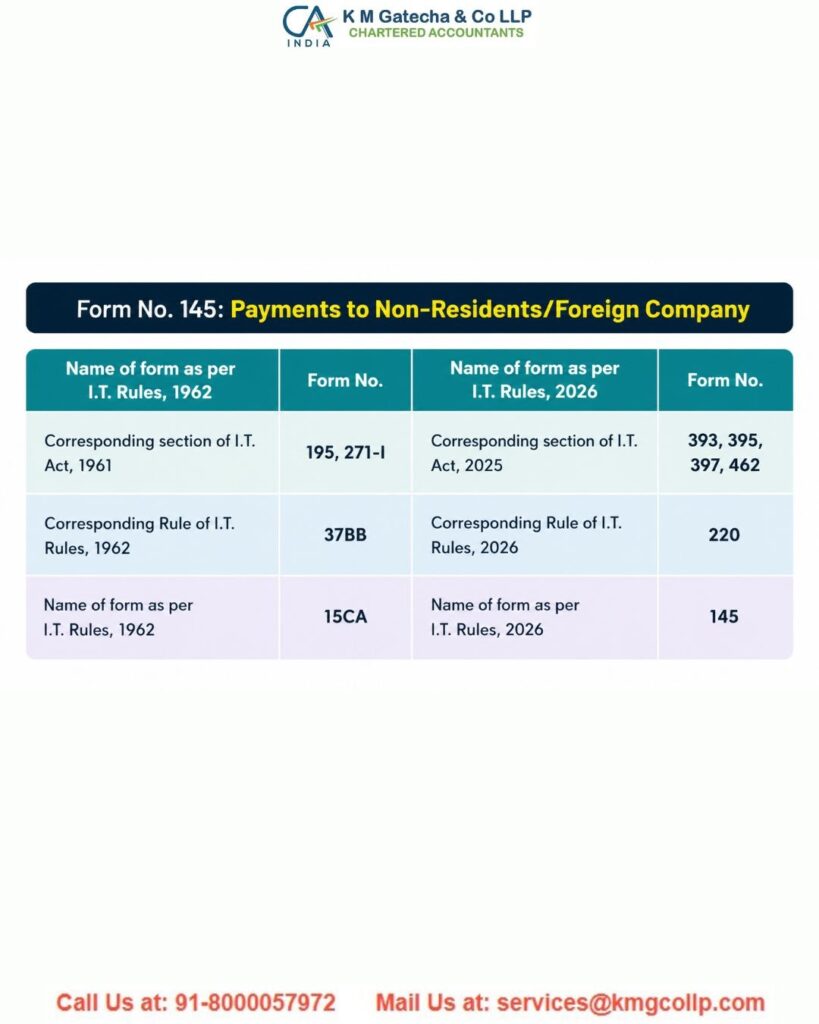
Form 145 and Form 146 Replace Form 15CA and Form 15CB
Under the earlier Income-tax Act, 1961 framework, Form 15CA was the remitter’s declaration and Form 15CB was the CA certificate for certain foreign remittances. Under the Income-tax Act, 2025 and Income-tax Rules, 2026, the corresponding compliance framework has moved to Form 145 and Form 146.
The replacement is broadly as follows:
Form 15CA is replaced by Form 145.
Form 15CB is replaced by Form 146.
Form 27Q is replaced by Form 144 for TDS return reporting on payments to non-residents.
The earlier principles of foreign remittance compliance continue to remain important. The remitter must still determine whether the payment is chargeable to tax in India. TDS must still be deducted where applicable. DTAA benefit must still be supported by proper documents. The bank will still require compliance before remittance.
The new system is more structured and more data-oriented. Form 145 and Form 146 are expected to support better reporting, backend verification, analytics, risk profiling and cross-verification by the Income Tax Department.
Old System: Form 15CA & 15CB
Under the earlier system:
- Form 15CA was a self-declaration filed by the person making the payment
- Form 15CB was a certificate issued by a Chartered Accountant
These forms ensured that the payer followed Section 195 of the Income-tax Act, 1961, which deals with TDS on payments made to non-residents.
Why Changes Were Needed in Foreign Remittance Rules
Over time, some problems were noticed in the old system:
- Same information had to be entered in multiple forms
- Heavy reliance on manual processes and professionals
- No real-time checks or validation
- Higher compliance burden for businesses
- Limited connection with banking and tax systems
To overcome these issues, a more streamlined and technology-based system has now been introduced.
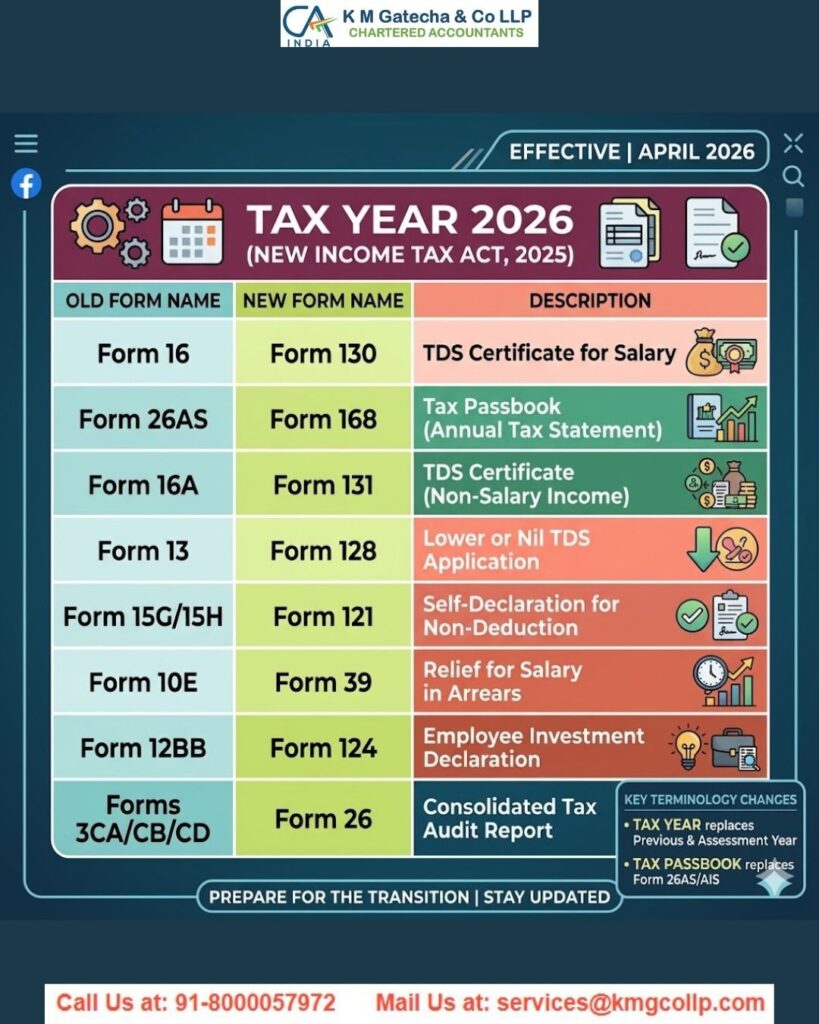
Introduction of Form 145 & Form 146
Form 145 – Foreign Remittance Form
- Filed by the person making the payment (remitter)
- Includes complete details of the transaction
- Connected with the income tax system for easy checking and validation
Form 146 – CA Certificate
- Issued by a Chartered Accountant
- Confirms taxability, TDS details, and DTAA benefits (if applicable)
- Replaces Form 15CB with more detailed reporting
Key Features of the New Forms
- Fully online filing process
- Some details are automatically filled from income tax records
- Built-in checks to reduce errors
- Easier tracking of foreign payments
- Better aligned with modern tax and global compliance standards
Applicability & Scope
Form 145 and Form 146 are used in the following cases:
- When payments are made to non-residents
- When money is sent outside India
- When the transaction is taxable under Indian law
When These Forms Are Not Required
- If the remittance is not taxable
- If it falls under specific exemption categories
- If it is listed under RBI’s exempt remittance list
When is Form 145 Required?
Form 145 must be filed:
- Before sending money outside India
- For taxable payments and some non-taxable transactions
- In all cases where reporting is required under income tax rules
When is Form 146 (CA Certificate) Required?
Form 146 is needed in the following situations:
- When taxability of the payment needs to be determined
- When DTAA benefits are being claimed
- For high-value or complex transactions
- When a professional certification from a Chartered Accountant is required
Simple Steps to File Form 145
- Log in to the Income Tax e-Filing portal
- Go to e-File → Foreign Remittance Compliance
- Select Form 145
- Enter details like payer, payee, nature, and amount of payment
- Upload Form 146 if required
- Check all details using system validation
- Submit the form using DSC or EVC
- Download the acknowledgement for your records
Documents & Details Required
- PAN of the person making the payment
- Details of the foreign recipient
- Nature and purpose of the remittance
- Copy of invoice or agreement
- Tax Residency Certificate (TRC), if applicable
- DTAA calculation (if benefit is claimed)
- TDS calculation details
These details help ensure correct reporting and smooth processing of foreign payments.
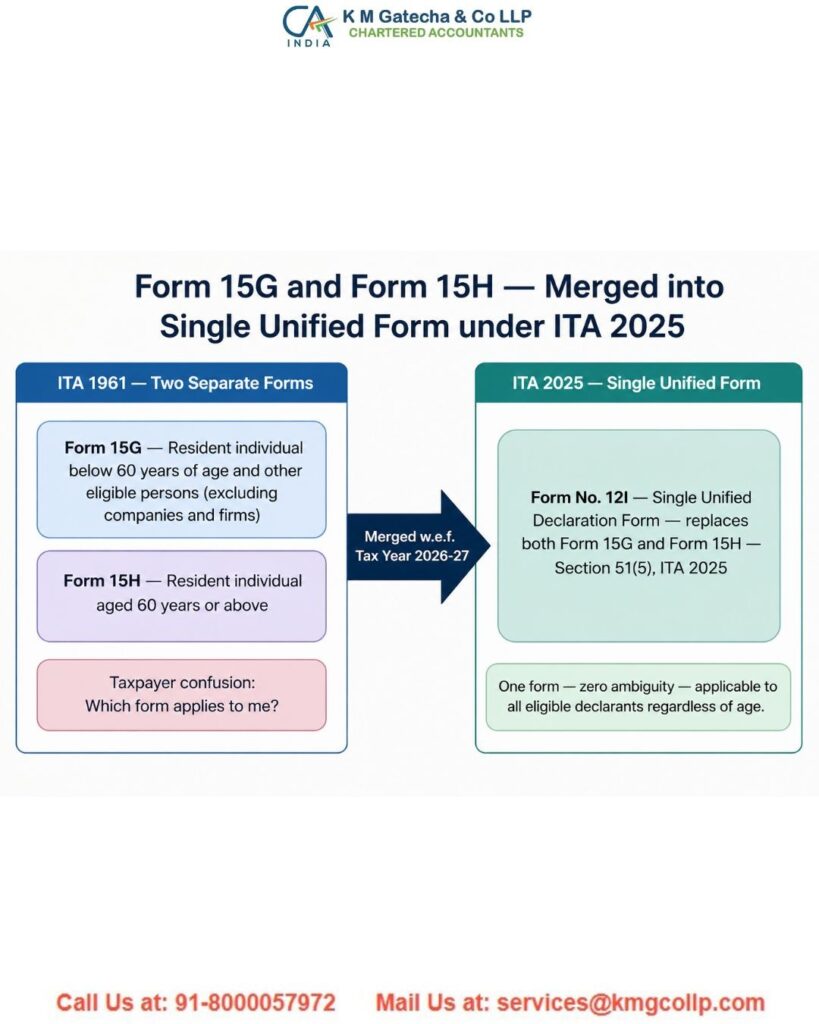
Key Compliance Points to Remember
- Correctly identify the nature of the remittance
- Deduct TDS properly as per Section 195
- Keep all supporting documents ready for verification
- Match remittance details with your books of accounts
- Ensure CA certification reflects the actual transaction
Impact on Businesses & Professionals
For Businesses:
- Simpler compliance process
- Faster remittance processing
- Reduced chances of rejection
For Chartered Accountants:
- Higher responsibility in certification
- Need for more detailed analysis
- Greater reliance on professional judgment
14. Penalties & Consequences of Non-Compliance
Failure to comply may result in:
- Penalties under the Income Tax Act
- Disallowance of expenses under Section 40(a)(i)
- Delay or rejection of payments by banks
- Notices or scrutiny from the tax department
Practical Examples
Case 1: Payment for Technical Services (USA)
- Taxable in India
- TDS must be deducted
- Both Form 145 and Form 146 are required
Case 2: Import of Goods
- Usually not taxable
- Form 145 may be required for reporting
- Form 146 is generally not needed
Case 3: Royalty Payment with DTAA Benefit
- Lower tax rate is claimed under DTAA
- Form 146 is required for certification
Form 145 and Form 146 for NRIs
NRIs often require Form 145 and Form 146 support for remitting money from India to their country of residence. Common cases include sale proceeds of property, rent income, dividend, inheritance, gift, investment redemption and bank balance transfer.
NRI remittance requires special care because the remittance may involve income tax, TDS, FEMA, bank documentation and source-of-funds verification.
For NRI property sale proceeds, capital gains calculation and TDS compliance are critical. If excess TDS is deducted, the NRI may need to claim refund by filing income tax return. In suitable cases, a lower deduction certificate may help reduce cash flow blockage.
Form 145 vs Form 146
Form 145 and Form 146 serve different purposes.
Form 145 is filed by the remitter. Form 146 is issued by the Chartered Accountant.
Form 145 reports the remittance. Form 146 certifies taxability and TDS.
Form 145 is submitted before remittance. Form 146 is obtained before filing Form 145 Part C.
Form 145 replaces Form 15CA. Form 146 replaces Form 15CB.
Form 145 may be required even where Form 146 is not required. Form 146 is required only in specified taxable remittance cases.
Conclusion
The introduction of Form 145 and Form 146 brings a more clear and efficient system for handling foreign remittances in India. It improves transparency and simplifies the reporting process.
To adapt to this system, businesses should:
- Keep all required documents ready
- Ensure correct tax calculation on remittances
- Work closely with professionals for proper compliance
Following these steps will help in smooth and hassle-free foreign transactions.
Disclaimer: The content on this website is for informational purposes only and does not constitute legal, financial, or professional advice. Please consult qualified experts before acting on any information. K M GATECHA & CO LLP accepts no liability for errors, omissions, or outcomes from the use of this content. This site is not an advertisement or solicitation.