
Do NRIs Need to File ITR Without Income in India?
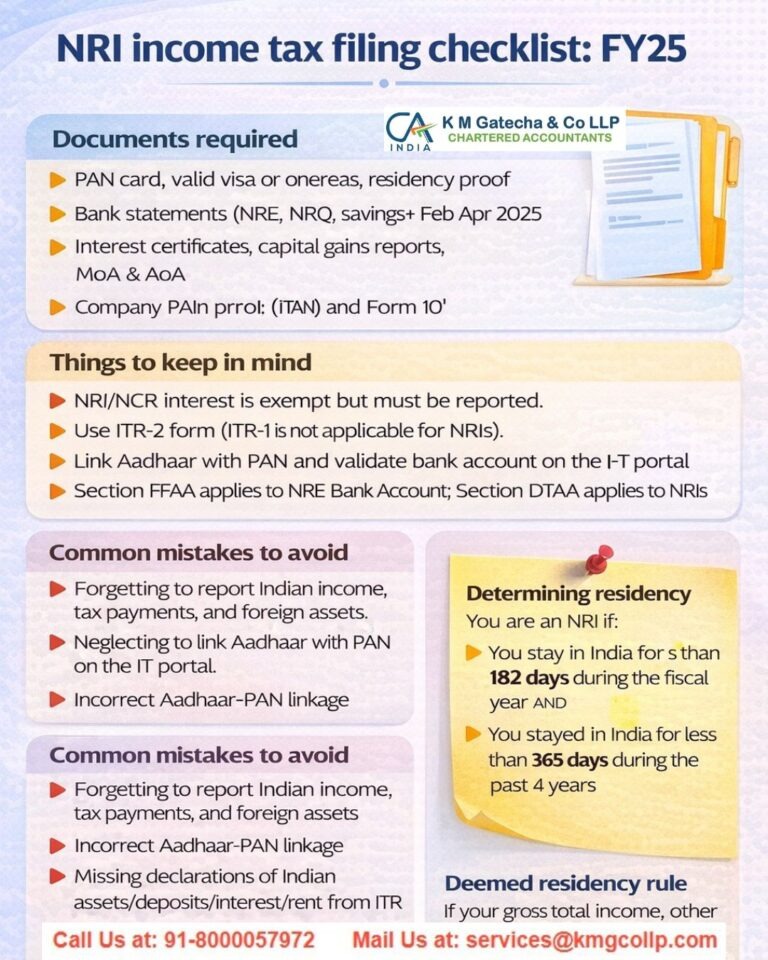
An individual who lives abroad for most of the year but holds Indian citizenship is classified as an NRI (Non-Resident Indian). Generally, this status applies to those who stay in India for less than 182 days during a financial year. Despite residing overseas, NRIs often maintain financial connections with India and contribute significantly to the economy.
A common concern among NRIs is whether they need to file an Income Tax Return (ITR) if they have no income in India. The answer depends on specific conditions and circumstances. In this article, we will explain the ITR filing requirements for NRIs and clarify whether filing is necessary even when there is no income earned in India.
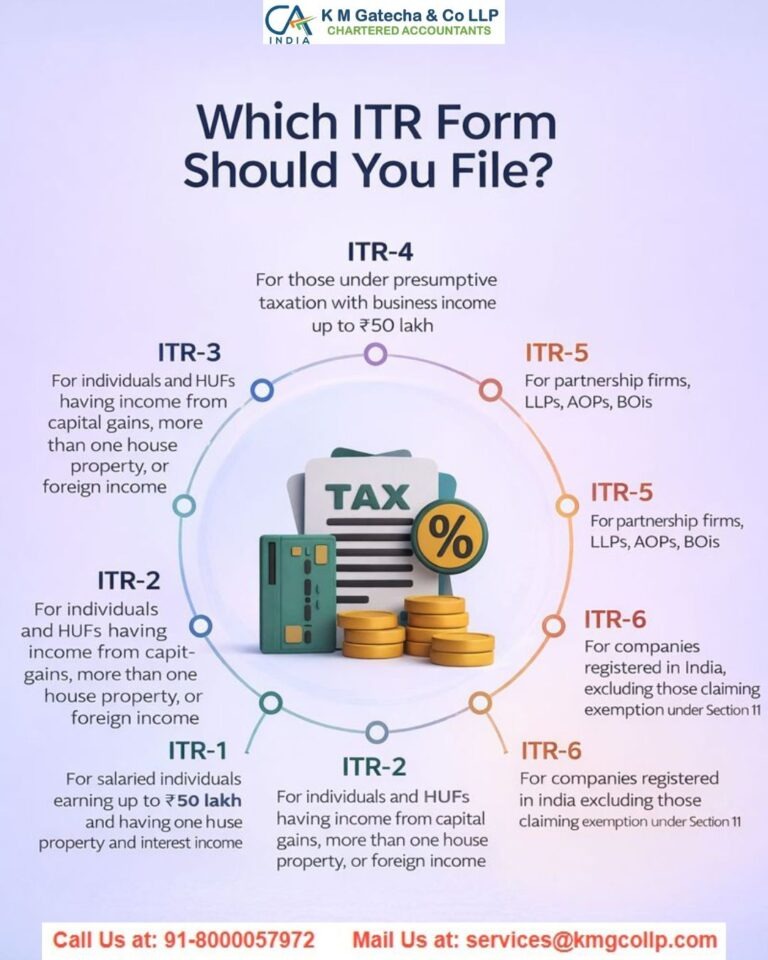
When Is It Mandatory for NRIs to File Income Tax Returns?
Being a Non-Resident Indian does not automatically require filing an Income Tax Return. The obligation mainly depends on the amount of income earned in India during a financial year.
Under Indian tax laws, NRIs must file an ITR if their taxable income in India exceeds the prescribed basic exemption limit. This limit can vary depending on the tax regime chosen. If the income earned in India goes beyond this threshold, filing an ITR becomes compulsory.
In simple terms, the requirement to file returns is linked to the level of income generated within India, not just the residential status.
Exemption from ITR Filing for NRIs
As discussed, the requirement for NRIs to file an Income Tax Return depends on income earned in India. If an NRI has no income sourced from India during a financial year, they are generally not required to file an ITR.
This includes situations where income is earned entirely outside India, such as:
- Salary received for employment abroad
- Business income generated overseas
- Rental income from properties located outside India
In such cases, since the income is not taxable in India, filing an ITR is typically not mandatory.
Exceptions and Benefits of Voluntary ITR Filing
Although NRIs with no income in India are generally not required to file an Income Tax Return, there are certain situations where filing voluntarily can be beneficial:
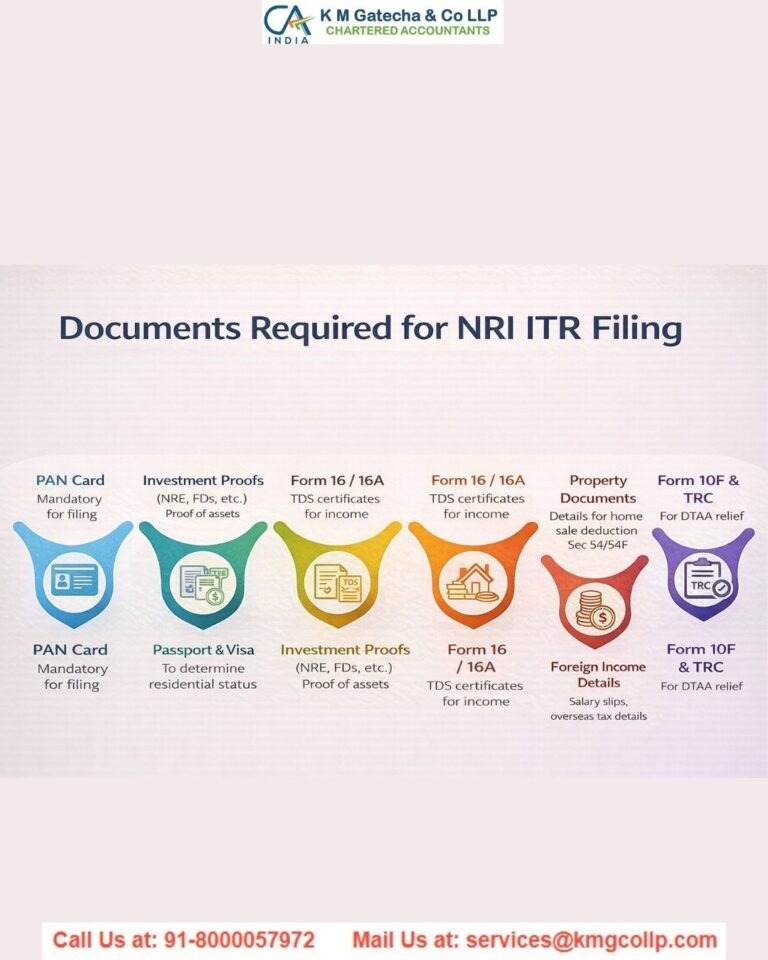
- Claiming TDS Refunds: In some cases, tax may be deducted at source on income such as interest from bank deposits or other payments in India. Filing an ITR helps in claiming a refund of any excess tax deducted.
- Carrying Forward Losses: If losses are incurred from investments or sale of assets in India, filing an ITR allows these losses to be carried forward and adjusted against future gains, helping reduce tax liability later.
- Financial and Documentation Purposes: Income Tax Returns are often required as proof of income for visa applications, loans, or other financial processes. Filing an ITR, even with no taxable income, helps establish financial credibility and compliance.
Voluntary filing can therefore be a smart move for NRIs, even when it is not legally required.
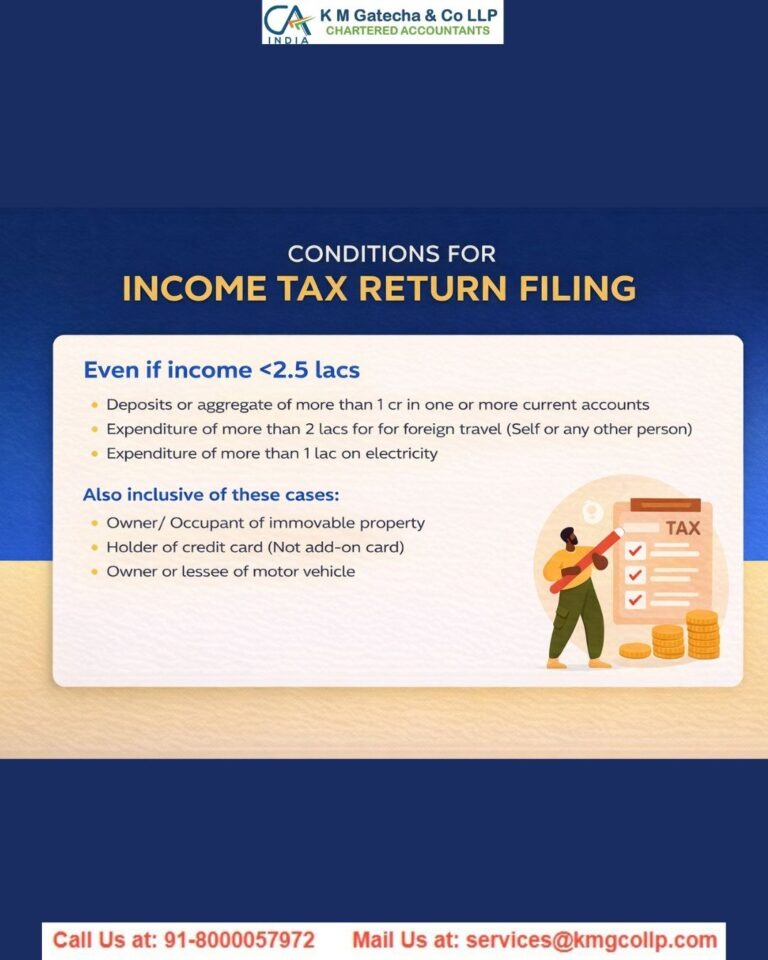
Mandatory ITR Filing for NRIs Below the Income Threshold
Although NRIs with no or low income in India are generally not required to file an Income Tax Return, there are certain cases where filing becomes compulsory even if income is below the basic exemption limit. These requirements arise due to specific financial transactions and are governed by the Income Tax Act.
Situations where ITR filing is mandatory include:
- High-Value Deposits:
Large deposits made in Indian bank accounts during a financial year may trigger compulsory filing requirements. - TDS or TCS Deduction:
If a significant amount of tax has been deducted or collected at source on income in India, filing an ITR becomes necessary. - High-Value Transactions:
Certain specified financial activities or expenditures in India can make ITR filing mandatory, even if taxable income is minimal or nil. - Foreign Travel Expenses from India:
Substantial expenses incurred from Indian accounts for foreign travel may also require filing an ITR.
These provisions ensure transparency in financial activities and help tax authorities track high-value transactions. It is advisable to review your financial activities carefully to determine whether filing an ITR is required, even if your income is below the threshold.
Disclaimer: The content on this website is for informational purposes only and does not constitute legal, financial, or professional advice. Please consult qualified experts before acting on any information. K M GATECHA & CO LLP accepts no liability for errors, omissions, or outcomes from the use of this content. This site is not an advertisement or solicitation.