Section 148A of Income Tax Act – Complete Guide to Section 148A
Section 148A of the Income Tax Act was introduced in Budget 2021 and brought major changes to the reassessment process in India. This provision allows the Income Tax Department to reopen assessment cases when it believes that a taxpayer has escaped reporting taxable income during a particular assessment year. However, before reopening the assessment, the department must provide the taxpayer with an opportunity to explain their position.
This guide explains the meaning of Section 148A, notices under Section 148, time limits, taxpayer rights, and the impact of reassessment proceedings.
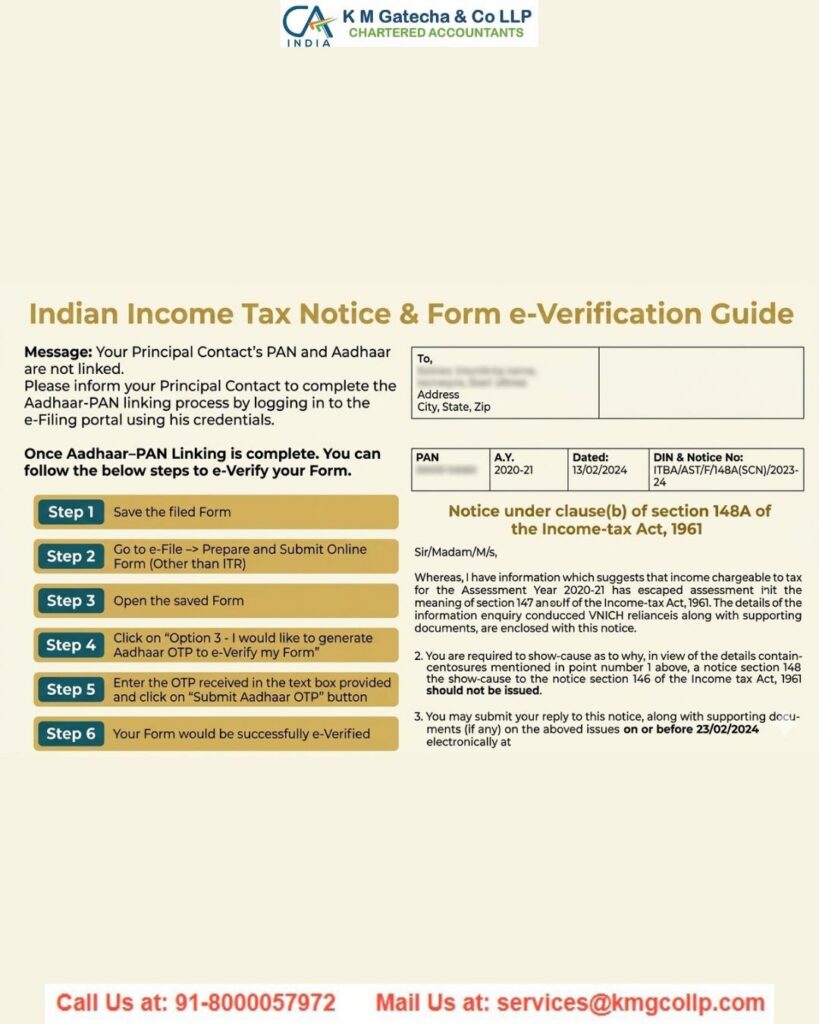
What is Section 148A?
Section 148A was introduced to ensure fairness in reassessment proceedings. If the Assessing Officer believes that any income chargeable to tax has escaped assessment, the officer must first issue a notice and provide the taxpayer with an opportunity to be heard before issuing a notice under Section 148.
The taxpayer is generally allowed a minimum of 7 days and a maximum of 30 days to submit a response or explanation. After reviewing the reply, the department may decide whether reassessment proceedings should continue.
If the explanation is not considered satisfactory, the Income Tax Department may issue a notice under Section 148 for reopening the assessment.
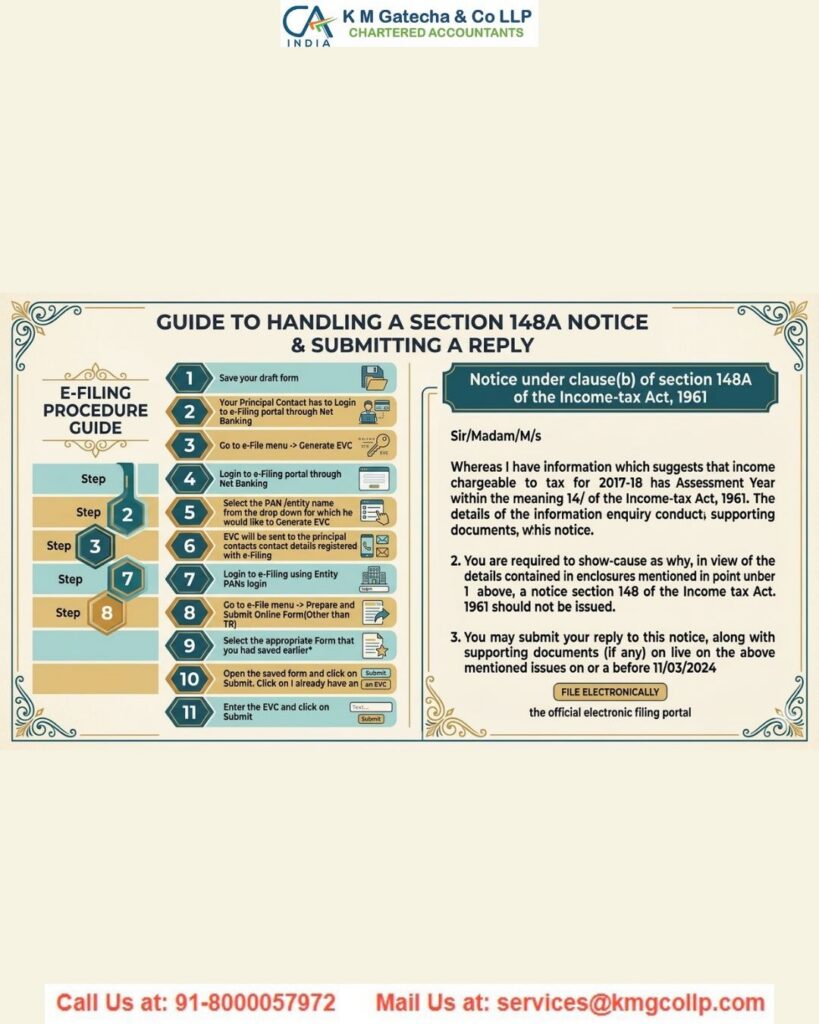
What is Notice Under Section 148?
A notice under Section 148 is issued when the Income Tax Department believes that certain income was not properly assessed in earlier years. Through this notice, the department initiates reassessment proceedings for the relevant assessment year.
After receiving the notice, the taxpayer can:
- Submit supporting documents and explanations
- Clarify the reported income details
- Challenge the notice if it is incorrect or invalid
Based on the response, the department may reassess the taxpayer’s income, which can result in additional tax, interest, and penalties.
Impact of Section 148A on Taxpayers
If the Income Tax Department proceeds with reassessment, taxpayers may face the following consequences:
- Additional tax liability on undisclosed income
- Interest and penalties on unpaid taxes
- Lengthy reassessment proceedings
- Increased scrutiny of financial transactions
- Prosecution in serious cases involving willful tax evasion
Therefore, taxpayers should maintain accurate records and ensure proper disclosure of income in their returns.
When Can Assessment Be Reopened Under Section 148A?
The Income Tax Department can reopen an assessment if it believes that taxable income has escaped assessment. Common situations include:
- Failure to file income tax return
- Mismatch in reported income and available information
- Information received from third parties
- Evidence of undisclosed assets or transactions
- Incorrect or incomplete income disclosure
However, reassessment cannot be initiated merely on suspicion. The department must possess valid information or evidence supporting the belief that income escaped assessment.
Time Limit for Reopening Assessment Under Section 148A
The time limit for reopening assessments depends on the amount of income that escaped assessment.
Budget 2024 Update
The government revised the reassessment timelines under Section 148A.
| Cases | Earlier Time Limit | Revised Time Limit |
| Normal cases | Within 3 years from end of AY | Within 3 years and 3 months |
| Income escaping assessment above Rs. 50 lakh | Within 10 years | Within 5 years and 3 months |
The revised provisions are applicable from 1st September 2024.
For cases involving escaped income exceeding Rs. 50 lakh, the Income Tax Department can reopen assessments up to 5 years from the end of the relevant assessment year.
Important Points Every Taxpayer Should Know
Before initiating reassessment proceedings, the Income Tax Department must comply with certain legal conditions:
- There must be valid evidence of income escaping assessment
- Notice must be issued within the prescribed time limit
- Taxpayers must be given an opportunity to respond
- Reassessment orders can be challenged through legal remedies
- Willful tax evasion may result in prosecution proceedings
Taxpayers should carefully review notices received under Sections 148 or 148A and respond within the specified timeline to avoid adverse consequences.
Rights of Taxpayers Under Section 148A
Taxpayers are protected through procedural safeguards under Section 148A. These include:
- Right to receive proper notice
- Right to submit explanations and evidence
- Right to challenge invalid notices
- Right to appeal reassessment orders
- Right to seek professional representation
These safeguards ensure transparency and fairness during reassessment proceedings.
Conclusion
Section 148A of the Income Tax Act introduced an important safeguard in reassessment proceedings by ensuring that taxpayers receive an opportunity to explain their case before reopening assessments. While the provision strengthens the powers of the Income Tax Department, it also protects taxpayers from arbitrary reassessment actions.
Taxpayers should ensure accurate income reporting, timely ITR filing, and proper compliance with tax laws to avoid reassessment notices. In case of receiving a notice under Section 148A or Section 148, professional assistance can help in preparing a proper response and protecting your interests.
Disclaimer: The content on this website is for informational purposes only and does not constitute legal, financial, or professional advice. Please consult qualified experts before acting on any information. K M GATECHA & CO LLP accepts no liability for errors, omissions, or outcomes from the use of this content. This site is not an advertisement or solicitation.