Easy Guide to LLP Audit, Compliance & Penalties
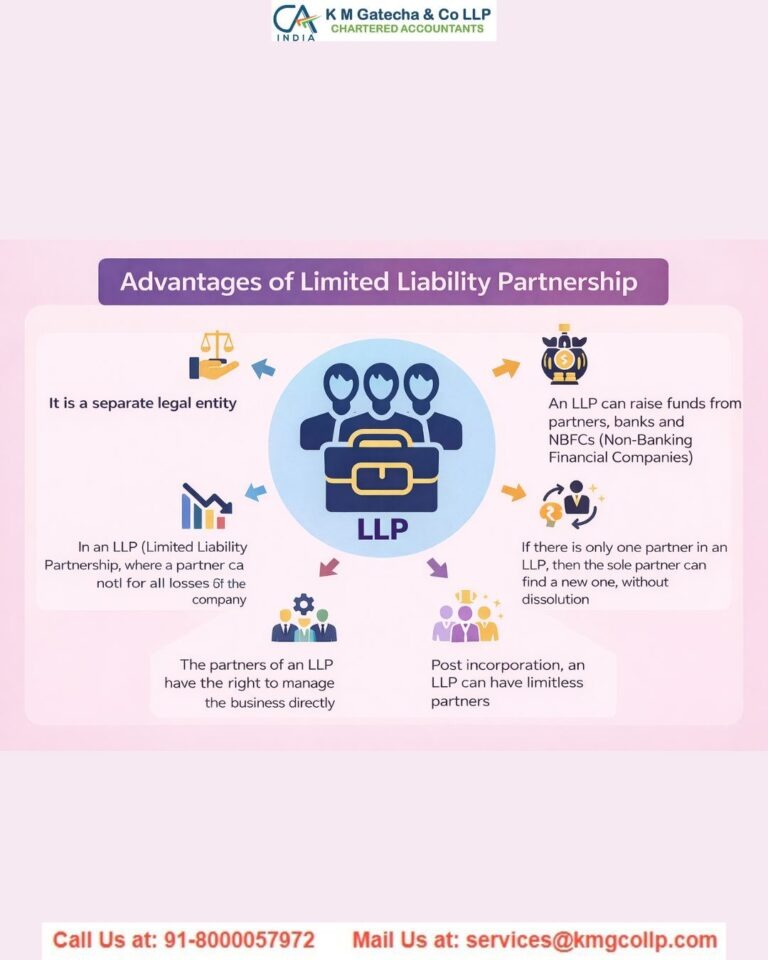
Understanding LLP audit and compliance requirements is important for business owners and professionals to avoid penalties and stay legally compliant. An LLP (Limited Liability Partnership) is a separate legal entity and must follow certain rules related to taxation, auditing, and annual filings.
Important Annual Filings for LLPs
Every LLP is required to file annual returns with the concerned authority to maintain compliance and avoid penalties. Although LLPs have fewer compliance requirements than private limited companies, non-compliance can lead to heavy penalties, which may go up to ₹5 lakh.
Due Dates for LLP Compliance
1. Statement of Accounts & Solvency
This must be filed within 30 days after the end of 6 months of the financial year, generally by 30th October.
2. Annual Return
This must be filed within 60 days from the end of the financial year, generally by 30th May.
Even if the LLP has not started business operations or earned income, these filings are still mandatory.
For LLPs, the financial year runs from 1st April to 31st March, and all filing deadlines are based on this period.
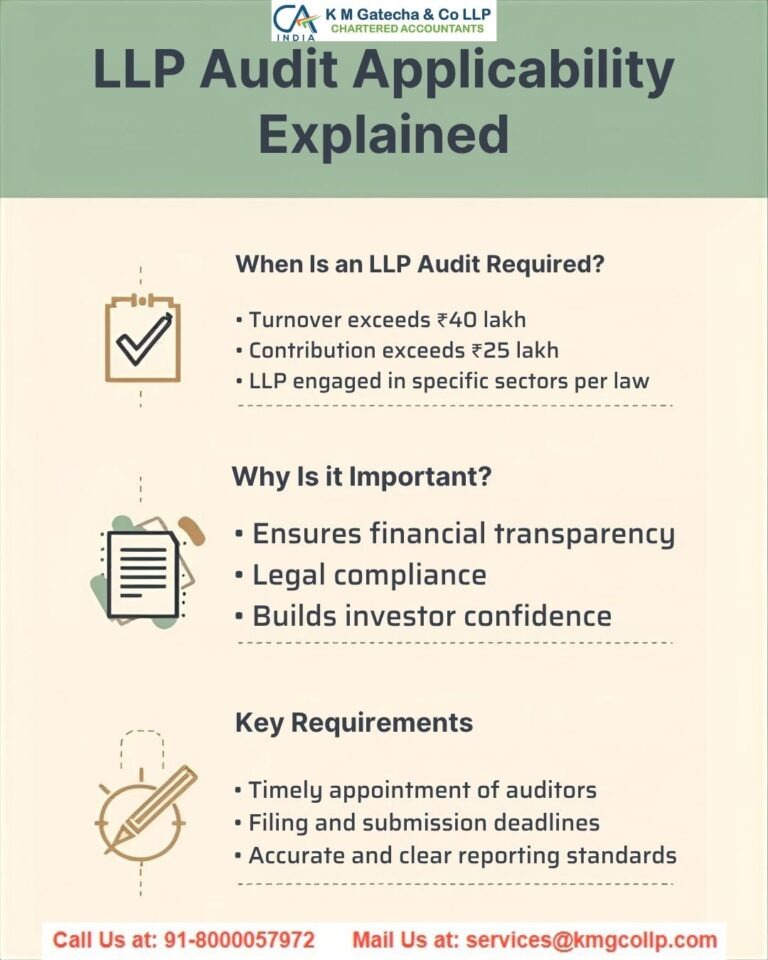
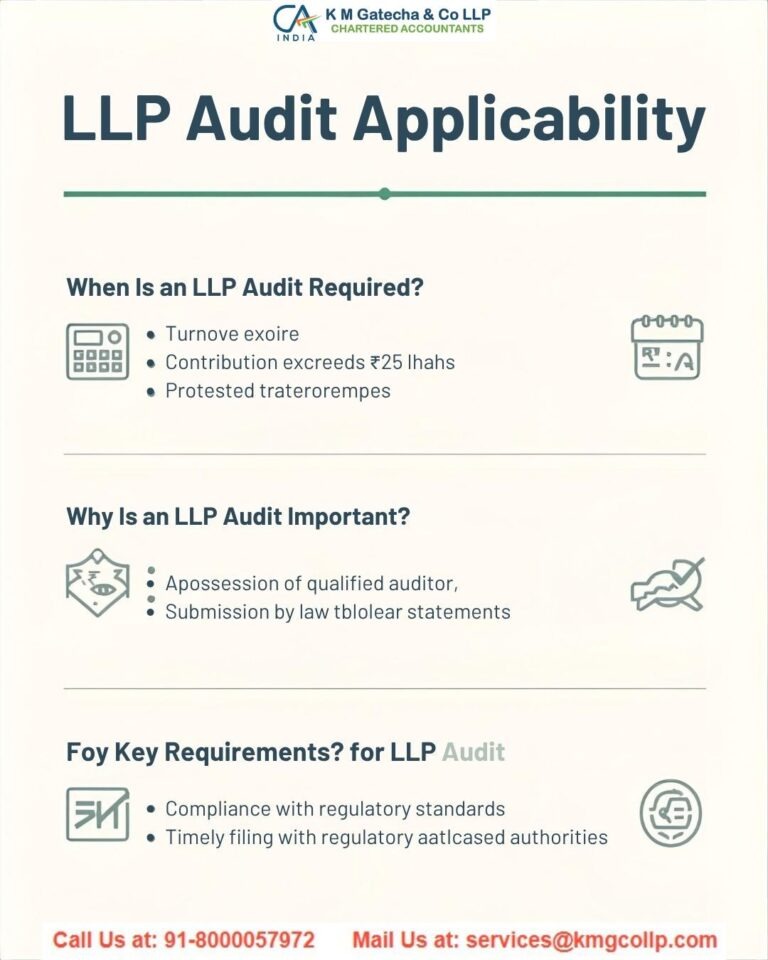
When is an Audit Required for an LLP?
An LLP is required to conduct an audit only when it crosses certain turnover or contribution limits. If the LLP remains below these limits, an audit may not be required, making compliance easier.
However, once the LLP crosses the required limit, an audit becomes necessary to ensure that financial records are properly maintained and follow accounting rules.
Why is LLP Audit Important?
An LLP audit helps verify whether financial records are accurate and properly maintained. It also helps businesses:
- Maintain proper financial records
- Ensure tax and legal compliance
- Identify errors or mismatches in accounts
- Keep financial activities clear and transparent
A proper audit improves trust among partners, investors, and stakeholders by ensuring financial information is accurate.
How to Stay Compliant with LLP Audit Requirements
To avoid compliance issues, LLPs should:
- Keep financial records updated regularly
- Check whether audit requirements apply to the LLP
- File annual returns and financial statements on time
- Consult a professional auditor if needed
Consequences of Non-Compliance
If an LLP does not complete required filings or audit obligations on time, it may face compliance issues and penalties. Regular record keeping and timely filing help avoid unnecessary legal and financial problems.
Disclaimer: The content on this website is for informational purposes only and does not constitute legal, financial, or professional advice. Please consult qualified experts before acting on any information. K M GATECHA & CO LLP accepts no liability for errors, omissions, or outcomes from the use of this content. This site is not an advertisement or solicitation.