

LLP Audit Limit Explained: Compliance Guide for LLPs
Starting an LLP (Limited Liability Partnership) gives business owners the benefit of limited liability and a flexible business structure. However, LLPs also have legal responsibilities, especially related to audit and annual compliance. Understanding LLP audit requirements helps businesses avoid compliance issues and maintain smooth operations.
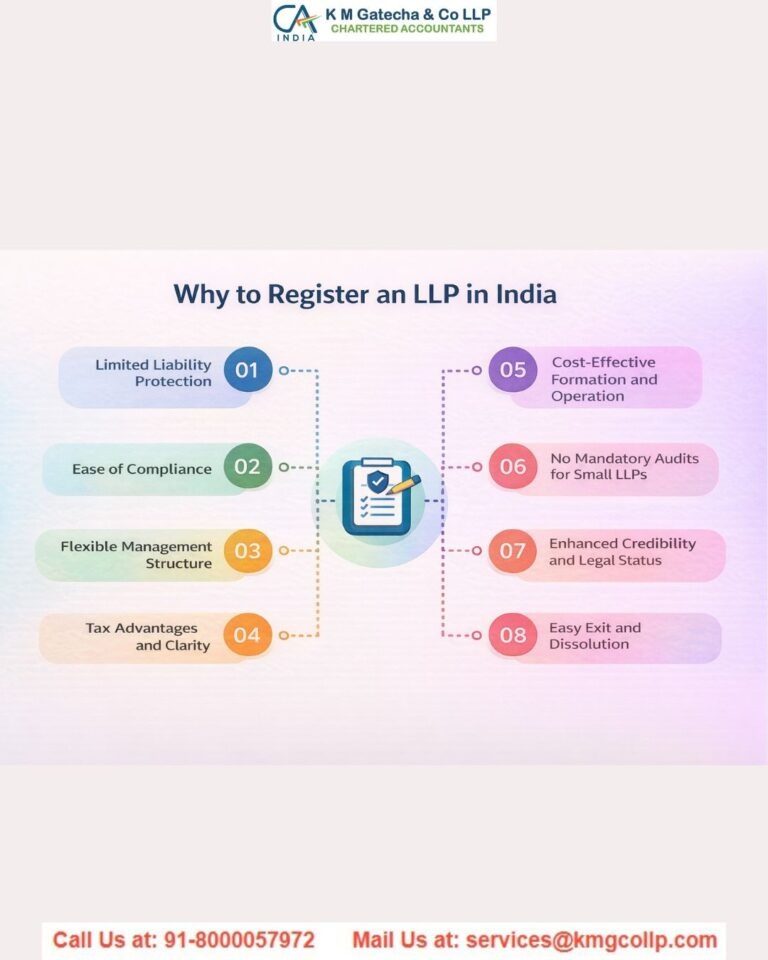
Why is LLP Audit Important?
An LLP audit helps verify that financial records are accurate and properly maintained. It also ensures that the business follows legal and financial rules.
A proper audit helps:
- Maintain accurate financial records
- Improve transparency in business operations
- Build trust among partners and stakeholders
- Ensure compliance with legal requirements
Even if an audit is not mandatory, keeping financial records updated can strengthen business management.
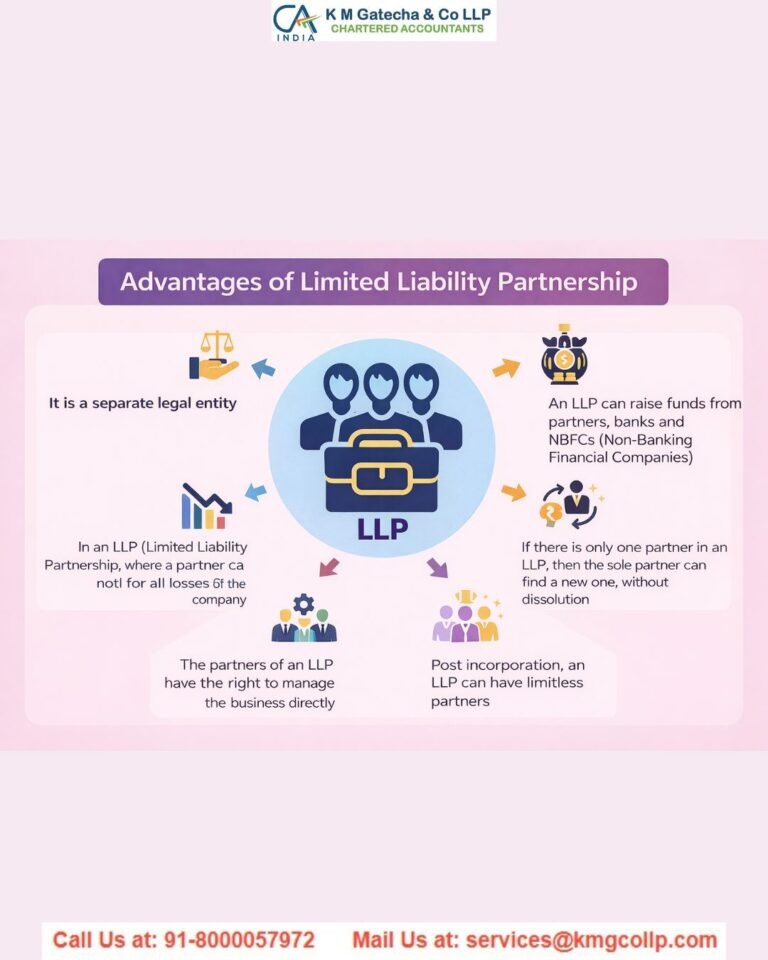
LLP Audit Requirements
An LLP audit becomes mandatory when the LLP crosses the prescribed turnover or contribution limits. Businesses should regularly monitor their financial activities to check whether audit requirements apply.
Who Can Audit an LLP?
The auditor of an LLP should be a qualified professional appointed by the designated partners. It is important to appoint an auditor on time to ensure smooth financial reporting and compliance.
Legal Provisions for LLP Audit
The audit requirement for LLPs is governed under the LLP Act, 2008 and related compliance rules. LLPs are required to follow financial reporting and record-keeping standards as per legal requirements.
Books of Accounts & Annual Compliance
Even if an LLP is not required to undergo an audit, it must maintain proper financial records.
Important compliance requirements include:
- Maintaining books of accounts properly
- Preparing financial records regularly
- Filing annual returns and financial statements on time
Proper documentation helps businesses avoid compliance issues.
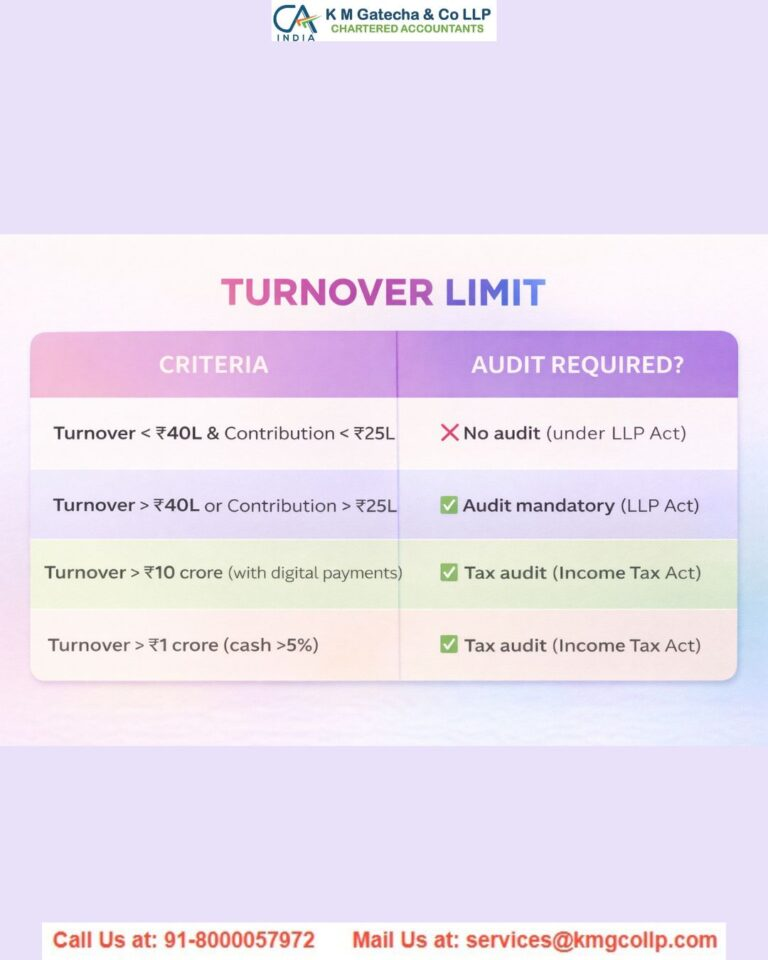
Difference Between Statutory Audit and Tax Audit
Statutory Audit
A statutory audit is required under LLP compliance rules when an LLP crosses the prescribed eligibility conditions.
Tax Audit
A tax audit is related to income tax requirements and may apply based on business turnover or professional receipts.
Understanding the difference helps LLPs stay compliant with both business and tax laws.
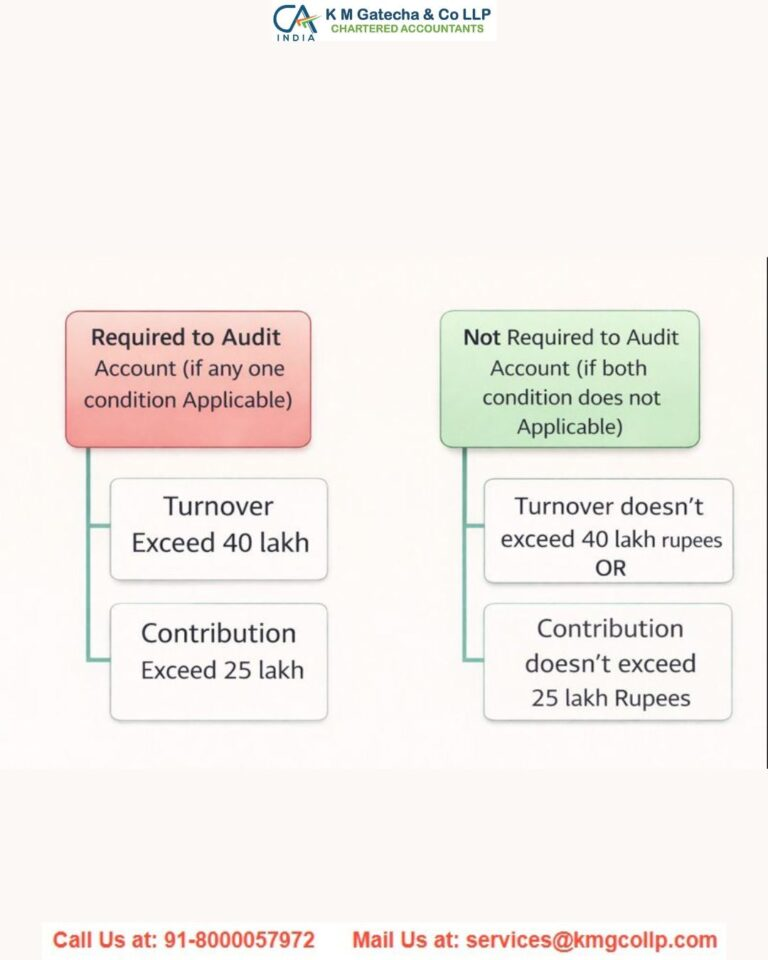
Importance of Timely Audit & Compliance
Completing audits and filings on time helps businesses:
- Improve financial transparency
- Detect accounting errors early
- Build better credibility with banks and stakeholders
- Avoid delays and compliance-related problems
Disclaimer: The content on this website is for informational purposes only and does not constitute legal, financial, or professional advice. Please consult qualified experts before acting on any information. K M GATECHA & CO LLP accepts no liability for errors, omissions, or outcomes from the use of this content. This site is not an advertisement or solicitation.


