
Is LLP Audit Mandatory? Check Audit Limits, Rules & Compliance
Limited Liability Partnerships (LLPs) are a popular business structure because they offer flexibility and limited liability to partners. However, LLPs also need to follow certain legal and financial rules, including audit and annual compliance requirements. Understanding LLP audit applicability helps businesses stay compliant and avoid legal issues.
Proper audits also improve business credibility and help maintain accurate financial records.
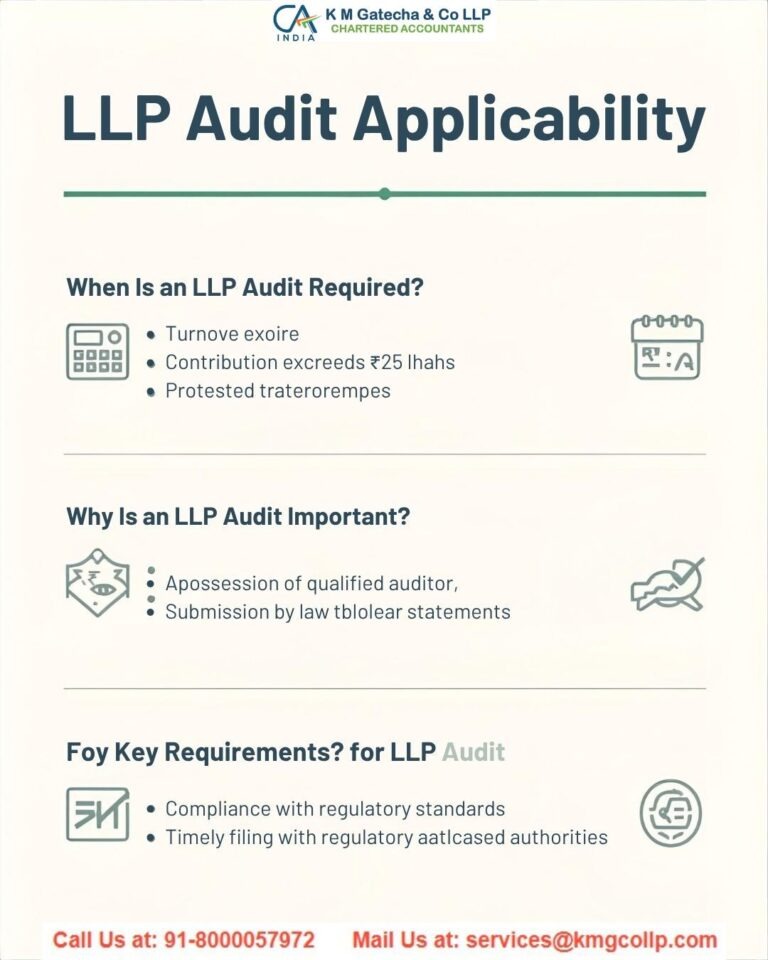
What is an LLP Audit?
An LLP audit is the process of checking and reviewing the financial records of an LLP to ensure accuracy and legal compliance. It helps confirm that the financial statements are properly maintained and reflect the correct financial position of the business.
In some cases, LLPs are required to conduct a mandatory audit if they cross prescribed financial limits. Even if an audit is not compulsory, businesses can still choose a voluntary audit to improve transparency and trust.
Why is LLP Audit Important?
An LLP audit offers several benefits to a business, such as:
1. Better Financial Accuracy
Audits help verify financial records and reduce the chances of errors or mismatches.
2. Improved Transparency
A proper audit gives a clear picture of the financial health of the LLP, helping build trust among partners and stakeholders.
3. Legal Compliance
Audits help LLPs meet annual compliance requirements and follow financial regulations properly.
4. Early Detection of Financial Issues
Regular audits help identify accounting mistakes or financial issues at an early stage.
5. Better Business Credibility
Maintaining proper financial records improves trust and supports long-term business growth.
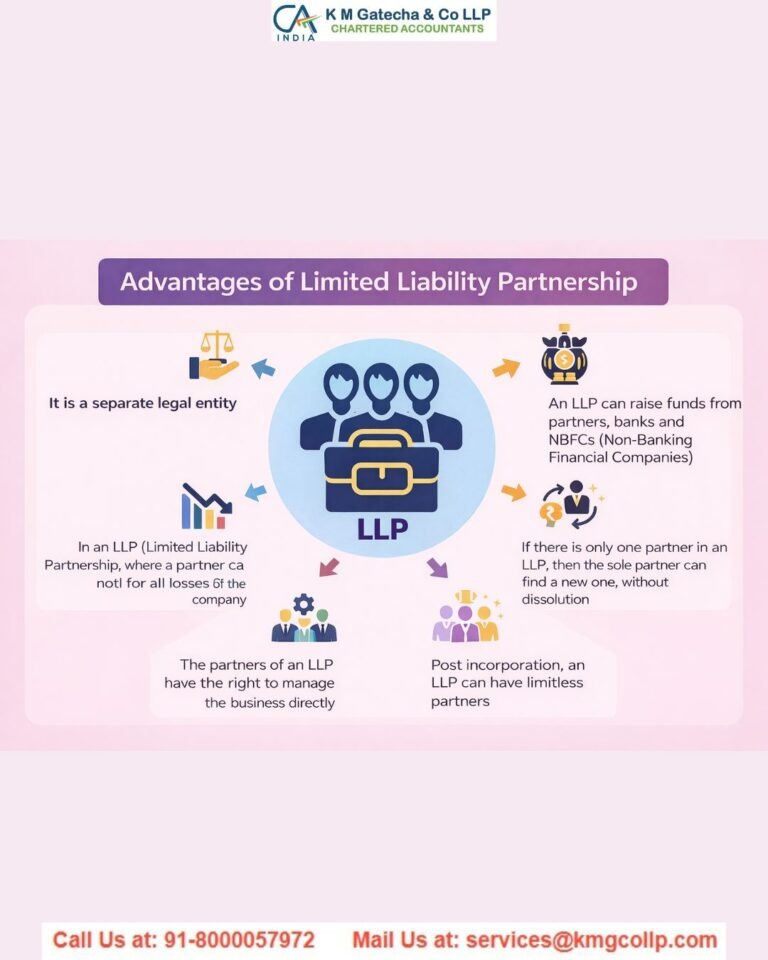
Audit Requirements for LLP
LLPs in India must follow certain audit requirements to remain compliant.
Maintain Proper Books of Accounts
Every LLP should maintain proper financial records using an organized accounting system. These records should clearly show business income, expenses, assets, and liabilities.
Check Audit Applicability
An audit becomes mandatory when the LLP crosses prescribed turnover or contribution limits. If these limits are not crossed, an LLP may still choose to conduct an audit voluntarily.
Appoint a Qualified Auditor
If an audit is required, the LLP should appoint a qualified professional to review and verify financial records.
Timely Appointment of Auditor
The auditor should be appointed on time to ensure proper compliance and smooth completion of the audit process.
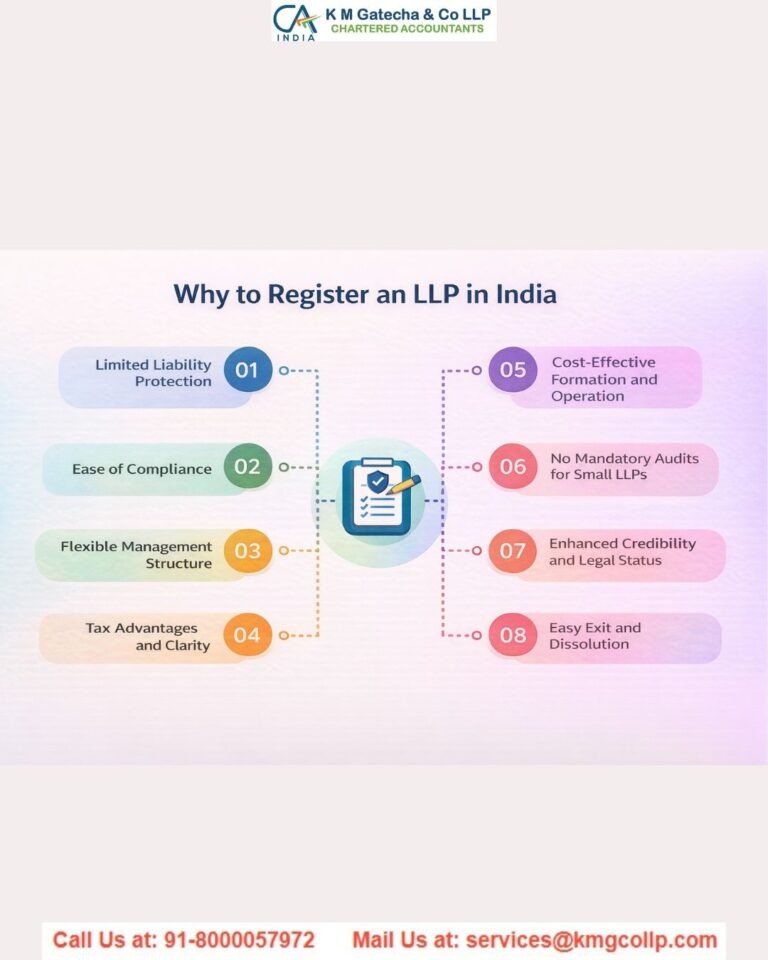
Process of LLP Audit
Step 1: Check Whether Audit is Required
The LLP should first check whether it meets the conditions for mandatory audit.
Step 2: Appoint an Auditor
Partners appoint a qualified auditor to conduct the financial review.
Step 3: Review Financial Records
The auditor examines books of accounts, financial transactions, and documents to verify accuracy and compliance.
Step 4: Audit Report Preparation
After review, the auditor prepares a report on the financial status of the LLP.
Step 5: Complete Annual Compliance Filing
The LLP must file required annual returns and financial statements within the due dates.
Step 6: Maintain Financial Records
All important financial records should be properly maintained for future compliance and reference.
Consequences of Non-Compliance
If an LLP fails to meet audit or filing requirements, it may face penalties and legal issues. Timely filing and proper documentation help avoid compliance problems.
Important Tips for LLPs
- Maintain accurate financial records regularly
- Keep track of annual filing deadlines
- Check whether audit requirements apply to your LLP
- Seek professional guidance if needed
- Complete compliance on time to avoid unnecessary issues
Conclusion
LLP audits play an important role in maintaining financial transparency and legal compliance. They help businesses keep records accurate, avoid legal problems, and improve business credibility. By maintaining proper documents and completing annual compliance on time, LLPs can ensure smooth business operations and long-term growth.
Disclaimer: The content on this website is for informational purposes only and does not constitute legal, financial, or professional advice. Please consult qualified experts before acting on any information. K M GATECHA & CO LLP accepts no liability for errors, omissions, or outcomes from the use of this content. This site is not an advertisement or solicitation.