

Income Tax Summons Under Section 131(1A): What You Need to Know
Section 131(1A) of the Income Tax Act gives tax authorities the power to ask for information or documents if they suspect tax evasion or need to verify financial details. Under this section, officials can issue a notice even if no formal tax proceeding is currently ongoing.
If you receive a notice under Section 131(1A), it is important to understand the reason behind it and respond correctly within the given time to avoid further issues.
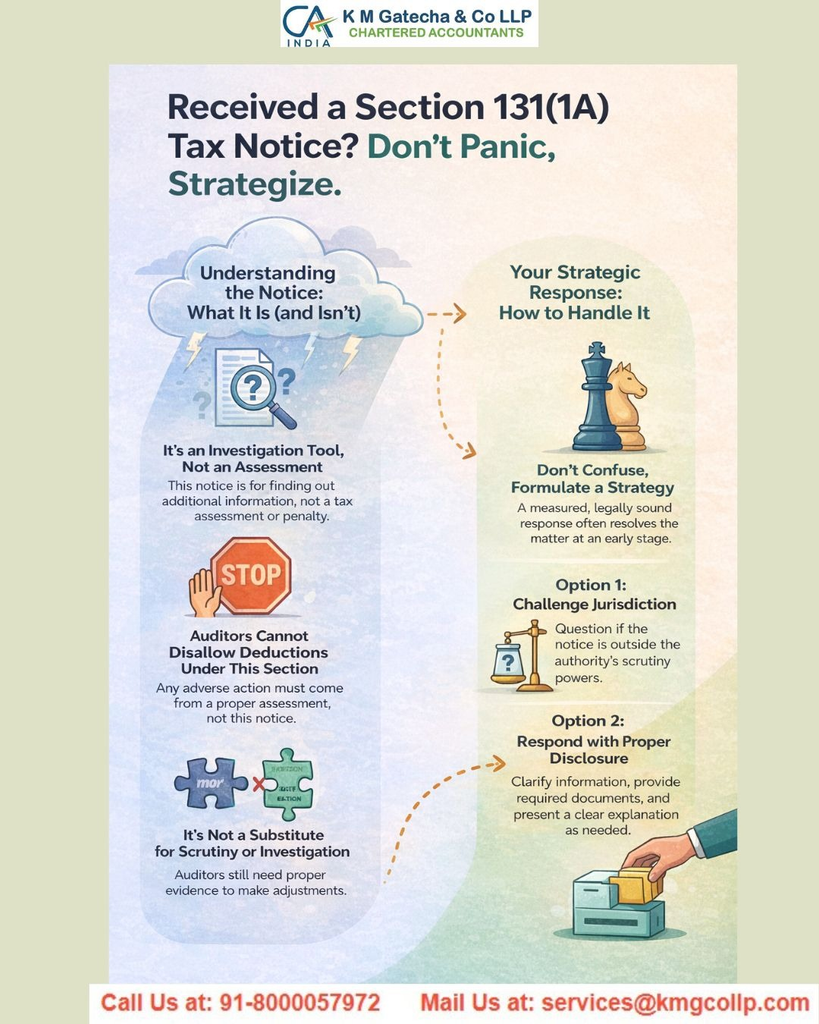
Understanding Section 131(1) of the Income Tax Act
Section 131(1) of the Income Tax Act gives income tax authorities the power to investigate financial matters and collect information when needed. Its main purpose is to ensure proper tax assessment and prevent tax evasion.
Under this section, tax authorities can ask individuals to appear before them, examine statements under oath, inspect financial records, and request important documents related to tax matters.
Background of Section 131(1A)
Section 131(1A) was introduced to strengthen the powers of tax authorities and improve tax compliance. It allows officials to request information even when no formal tax proceedings are ongoing.
This provision helps authorities gather information in advance when they suspect tax evasion or need to verify financial details. Over time, it has become an important part of maintaining transparency in the tax system.
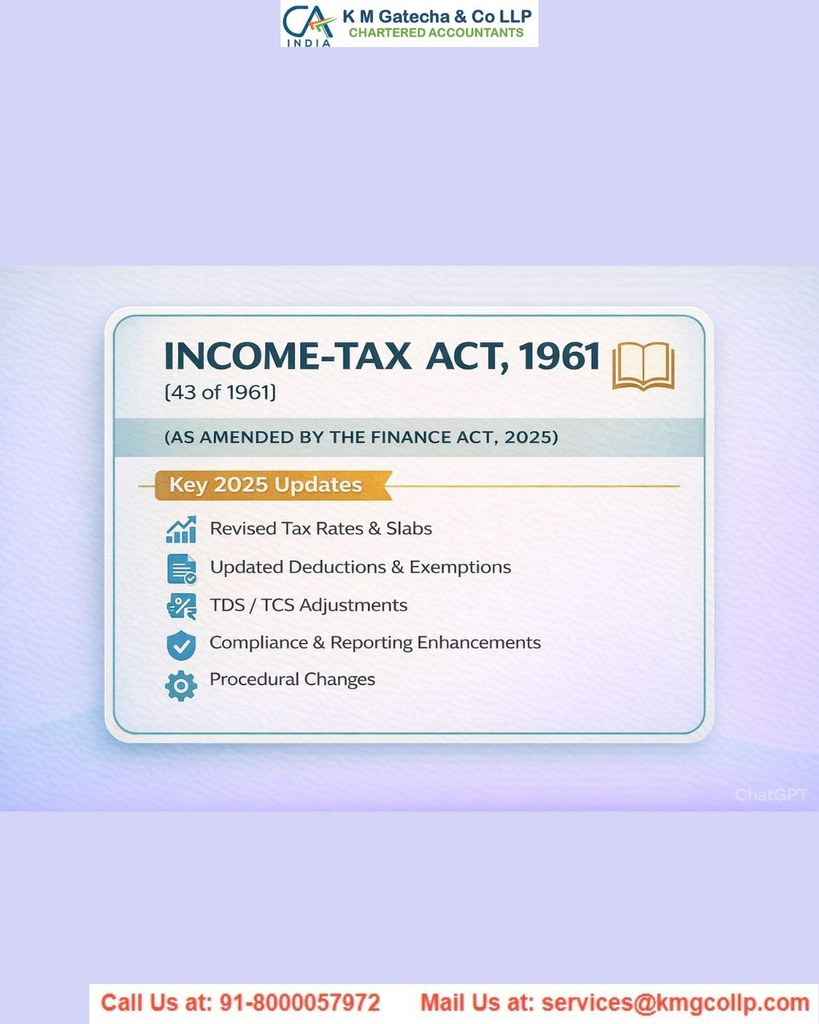
Issue of Notice Under Section 131(1A)
A notice under Section 131(1A) may be issued in certain situations, such as after a search operation or during tax investigations. Tax authorities may also issue notices during surveys to collect relevant information or documents.
Legal Powers Under Section 131
Section 131 gives income tax authorities powers similar to a civil court for tax-related investigations. These powers include:
- Inspection of records and documents
- Calling a person for attendance and questioning under oath
- Asking for books of accounts and financial documents
- Collecting evidence required for investigation
These powers can be used even if no tax proceeding is currently pending against the person involved.
Key Factors That Determine the Validity of a Summons Under Section 131
A summons issued under Section 131 of the Income Tax Act is a legal notice, and the person receiving it is generally required to respond. However, the validity of the summons depends on certain conditions:
Clear Purpose of the Notice
The summons should clearly mention the reason for issuing the notice and specify the information or documents required.
Valid Reason for Issuing the Summons
Tax authorities should have a proper reason to believe that the person has information or documents related to a tax matter. A summons should not be issued without proper justification.
Following Legal Procedures
The summons must follow the rules and procedures mentioned under the Income Tax Act. It should include details such as the date, time, and place for appearance or submission of documents.
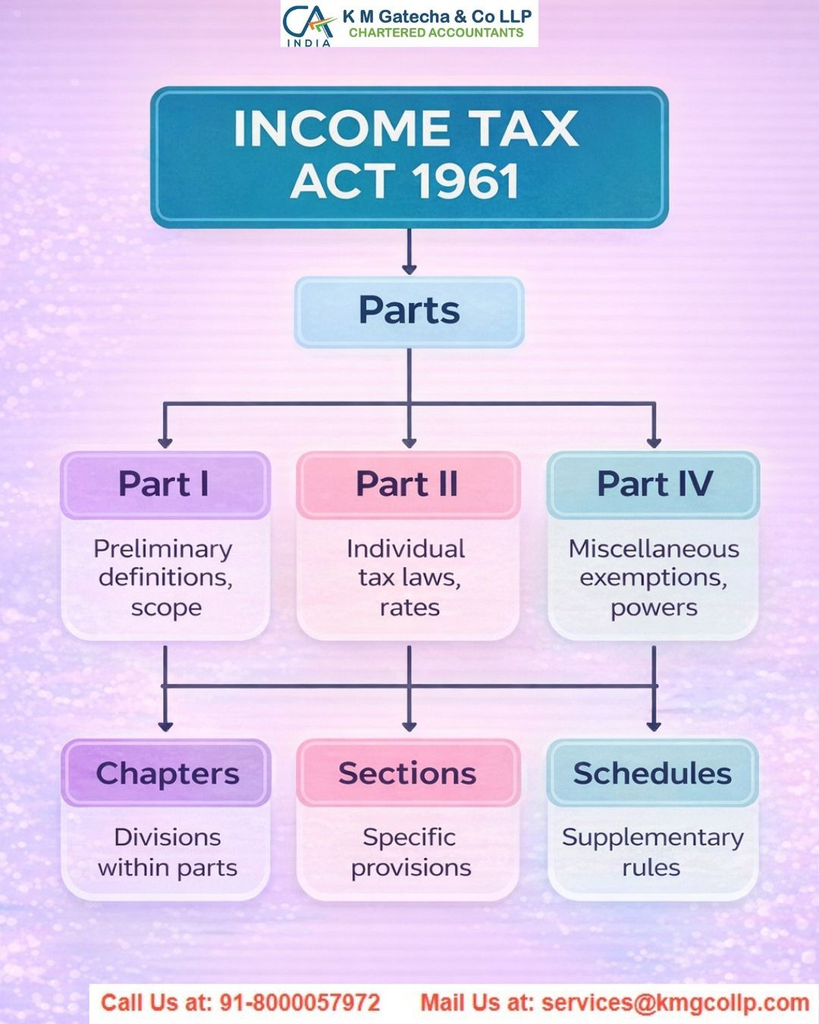
Rights Available to the Taxpayer
If a person receives a summons under Section 131, they have certain rights, including:
Right to Fair Treatment
The individual should be treated fairly and respectfully during the process and should not face unnecessary pressure or harassment.
Right to Legal Representation
A person can seek help from a legal or tax professional during the proceedings to protect their interests and understand the process properly.
Right to Appeal
If someone believes the summons was issued unfairly or their rights were violated, they can challenge it through the proper legal process.
Objectives of Section 131(1A)
The main purpose of Section 131(1A) is to improve tax compliance and prevent tax evasion. This section helps tax authorities:
Identify Tax Mismatches
Authorities can check if income has been reported correctly and identify possible mismatches or hidden income.
Collect Correct Information
It encourages taxpayers to provide accurate financial details and supporting documents when required.
Improve Tax Administration
Tax authorities can collect information even without pending proceedings, helping investigations become faster and more effective.
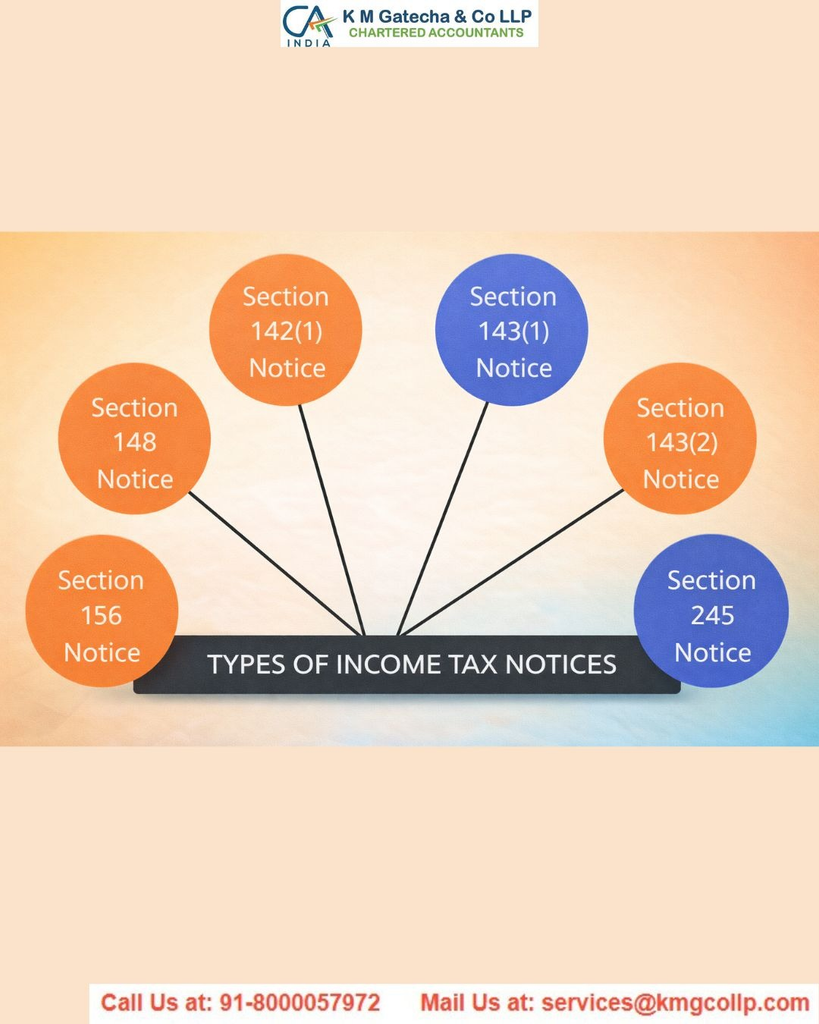
Situations That May Trigger a Notice Under Section 131(1A)
Tax authorities may issue a notice under Section 131(1A) if they need more information or suspect tax-related issues. Some common situations include:
Difference in Reported Income
If the income reported by a taxpayer seems lower than their known earnings, expenses, or lifestyle, authorities may ask for clarification.
Missing Information or Documents
If requested documents or financial details are not submitted during an inquiry, a notice may be issued to collect the required information.
Unusual Financial Transactions
Large cash deposits, high-value purchases, foreign transactions, or unexplained investments may attract attention and lead to a notice.
Information from Third Parties
Tax authorities may receive information from banks, financial institutions, or other sources regarding possible mismatches or tax-related concerns.
Important: Receiving a notice under Section 131(1A) does not automatically mean wrongdoing. In many cases, it is issued to verify information or clear doubts.
Rights and Responsibilities of Taxpayers
When a taxpayer receives a notice under Section 131(1A), they have certain rights and responsibilities.
Rights of Taxpayers
Right to Representation
You can take help from a tax professional, chartered accountant, or legal expert while responding to the notice.
Right to Seek Clarification
If any part of the notice is unclear, you can ask the concerned authority for clarification.
Right to Request Extra Time
If more time is needed to gather documents or information, you can request an extension.
Responsibilities of Taxpayers
Respond on Time
It is important to reply within the time mentioned in the notice.
Provide Correct Information
All details and documents submitted should be accurate and complete.
Cooperate with Authorities
Taxpayers should cooperate during the process and provide requested documents when required.
What to Do After Receiving a Notice?
If you receive a notice under Section 131(1A), follow these steps:
Read the Notice Carefully
Understand what information or documents are being requested.
Collect Required Documents
Gather all necessary financial records and supporting documents.
Seek Professional Guidance
If required, consult a tax expert to understand the notice and prepare a proper response.
Submit Your Response
Reply within the given timeline and provide all requested details.
Keep Proper Records
Save a copy of the notice and your response for future reference.
Consequences of Non-Compliance
Ignoring a notice or providing incorrect information can lead to legal and tax-related complications.
Some possible consequences include:
- Penalties for not submitting required information
- Action for providing incorrect or false details
- Further investigation or legal proceedings in serious cases
Responding on time and providing accurate information can help avoid unnecessary issues and ensure smooth resolution.
Controversy Around Notices Under Section 131(1A)
Notices issued under Section 131(1A) of the Income Tax Act have often led to different opinions and court decisions. One key reason for this is that courts have interpreted the section differently in various cases.
For example, one court observed that notices issued after a search operation can help tax authorities examine seized records in detail and identify any undisclosed income or transactions. On the other hand, another court stated that tax authorities should have a proper reason and sufficient evidence before taking action under related provisions.
These different views show that tax authorities must use their powers carefully and fairly. The level of cooperation from the taxpayer also matters. If a person provides the required documents and information during a survey or inquiry, there may be less need for further notices.
How to Respond to a Notice Under Section 131(1A)
If you receive a notice under Section 131(1A), there is no need to panic. Follow these simple steps:
1. Understand the Notice
Read the notice carefully to know why it has been issued and what information or documents are required.
2. Collect Relevant Documents
Gather all records related to the matter, such as bank statements, property documents, tax records, invoices, or proof of income.
3. Submit Information Properly
If documents can be submitted online, upload the required details within the given deadline. Ensure the information is accurate and complete.
4. Attend if Required
If personal appearance is required, you may attend yourself or seek help from a tax professional or authorised representative.
5. Request More Time if Needed
If some documents are unavailable, you can request additional time from the tax officer to respond properly.
Impact of Section 131(1A)
Section 131(1A) helps improve the tax system in many ways:
- Better Investigation Process: It allows authorities to collect information and investigate financial matters more effectively.
- Improved Transparency: It helps identify unreported income or suspicious transactions.
- Protection of Information: Taxpayer information is required to be handled securely and used only for legal purposes.
- Discourages Tax Evasion: It encourages individuals and businesses to maintain proper financial records and report income correctly.
Consequences of Ignoring a Valid Notice
Ignoring a valid notice under Section 131(1A) may lead to legal issues. Tax authorities may take further action if a taxpayer does not respond or fails to provide the required information within the given time.
To avoid complications, it is important to respond on time and cooperate with the authorities.
Important Court Decisions Related to Section 131(1A)
Several court decisions have helped explain how Section 131(1A) should be used. Courts have clarified that:
- Tax authorities can request information even if no formal tax proceeding is ongoing.
- Powers under this section should be used reasonably and with proper justification.
- Notices should only be used for collecting information and not for unnecessary investigations.
Best Practices for Taxpayers
To avoid problems related to Section 131(1A), follow these simple practices:
- Keep financial records updated and organised.
- File tax returns correctly and on time.
- Respond quickly to any tax notice received.
- Provide accurate information and supporting documents.
- Take professional guidance if you are unsure about the notice.
Conclusion
Section 131(1A) of the Income Tax Act allows tax authorities to collect information and verify financial transactions when required. Receiving a notice does not always mean wrongdoing, but it should be taken seriously. Understanding the notice, responding on time, and maintaining proper records can help taxpayers avoid unnecessary problems and ensure smooth tax compliance.
Disclaimer: The content on this website is for informational purposes only and does not constitute legal, financial, or professional advice. Please consult qualified experts before acting on any information. K M GATECHA & CO LLP accepts no liability for errors, omissions, or outcomes from the use of this content. This site is not an advertisement or solicitation.


