

DTAA Consultants in India
Every country follows its own international tax laws and regulations. With growing globalization, cross-border transactions and international business activities have increased significantly. As a result, issues related to taxation across multiple countries have become more common. To address this challenge, countries enter into tax treaties that help eliminate the burden of paying tax on the same income in more than one jurisdiction.
We provide DTAA advisory and tax compliance services to Indian as well as multinational clients. We also assist NRIs with tax planning and management by ensuring compliance with Indian tax laws, overseas regulations, and the provisions of the Double Taxation Avoidance Agreement (DTAA).
What is a Double Taxation Avoidance Agreement (DTAA)?
DTAA, or Double Taxation Avoidance Agreement, is a tax treaty signed between two countries to prevent taxpayers from paying taxes twice on the same income earned in different jurisdictions.
The main purpose of DTAA is to encourage international trade and economic activities by reducing the burden of double taxation.
DTAA can either be a comprehensive agreement that covers different types of income or a limited agreement that applies only to specific areas such as shipping, inheritance, air transport, or selected tax matters.
Common income categories covered under DTAA include:
- Services income
- Salary and professional income
- Property income
- Capital gains
- Savings and fixed deposit interest
- Other investment-related income
Currently, India has signed DTAA agreements with over 80 countries, and more treaties may be introduced in the future. Countries covered under comprehensive tax agreements include Australia, Canada, Germany, Mauritius, Singapore, the United Kingdom, the United States, and the United Arab Emirates.

Benefits of Double Taxation Avoidance Agreement
The objective of DTAA is to position a country as a favorable investment destination by reducing the burden of double taxation. It helps resolve taxability concerns and promotes transparency in taxation.
Key advantages of DTAA include:
- Prevention of double taxation on the same income
- Tax relief in both countries where income is earned and taxed
- Fair and balanced distribution of taxation rights between countries
- Encouragement of international trade, investments, and business growth
- Improved transparency and reduced chances of tax evasion
How Can NRIs Claim DTAA Benefits in India?
NRIs can also avail benefits under DTAA. If an individual earns income in India as well as in another country, tax may be applicable under both Indian tax laws and the tax laws of the country of residence. However, if India has a DTAA agreement with that country, relief from double taxation may be available under Sections 90 and 91 of the Income Tax Act.
To claim DTAA benefits, NRIs may be required to submit the following documents:
- Self-declaration under indemnity bond
- Self-attested copy of PAN card
- Self-attested copy of passport and visa
- PIO proof, if applicable
- Tax Residency Certificate (TRC)
As per the Finance Act, 2013, DTAA benefits cannot be claimed without submitting a valid Tax Residency Certificate (TRC) to the deductor.
To obtain a TRC, an application in Form 10FA must be submitted to the tax authority of the country of residence under Sections 90 and 90A of the Income Tax Act, 1961.

DTAA Tax Rates
Under DTAA provisions, India prescribes specific TDS rates applicable to residents of treaty countries. Therefore, if an NRI earns income in India, TDS may be deducted at the DTAA rate applicable to their country of residence.
Country-wise DTAA Rates
| Country | DTAA TDS Rate |
| United States of America | 15% |
| United Kingdom | 15% |
| Australia | 15% |
| Canada | 15% |
| Germany | 10% |
| South Africa | 10% |
| Russia | 10% |
| Singapore | 15% |
| Mauritius | 7.5% to 10% |
| Malaysia | 10% |
| UAE | 12% |
| Oman | 10% |
| Qatar | 10% |
| Thailand | 25% |
| Sri Lanka | 10% |
| New Zealand | 10% |
| Kenya | 10% |
Income Types Covered Under DTAA
DTAA agreements are generally classified into two categories:
Comprehensive DTAA
Comprehensive DTAA covers almost every type of income, including taxation on income and capital gains. India has signed comprehensive tax treaties with several countries, including:
- United States of America
- United Kingdom
- Saudi Arabia
- Russia
- Singapore
- Thailand
- UAE
- South Africa
- Spain
- Sri Lanka
- Sweden
- Turkey
- Vietnam
- Uganda
- Tanzania
- Ukraine
Limited DTAA
Limited DTAA applies only to specific income categories such as air transport, shipping, inheritance, estate, or gift-related income.
India has limited DTAA agreements with countries such as:
- Afghanistan – Income from aircraft operations
- Ethiopia – Aircraft enterprise income
- Iran – International air traffic operations
- Lebanon – Airline enterprise income
- Maldives – International air transport income
- Pakistan – Income including international air transport
- Yemen – International air transport income
Methods of DTAA Relief
Under Sections 90 and 91 of the Income Tax Act, relief from double taxation is available through the following methods:
Deduction Method
Under this method, taxpayers can claim deductions for taxes already paid in a foreign country on foreign-source income.
Exemption Method
This method provides complete relief by exempting foreign income from taxation in the country of residence.
Credit Method
The credit method is divided into two categories:
Ordinary Credit:
Taxpayers receive full or partial credit for taxes paid on the same income in another country, subject to specified limits.
Underlying Credit:
This applies mainly to corporate taxation and dividend income, where additional tax credit may be available on dividends paid by one country to another.
Role of Tax Agreements in International Tax Planning
Tax treaties play an important role in international taxation by:
- Encouraging trade and investment between countries
- Reducing discrimination among taxpayers
- Preventing tax evasion and avoidance
- Supporting international tax collection systems
- Reducing the burden of double taxation
- Promoting smooth foreign exchange transactions
- Enabling exchange of tax-related information between nations
- Minimizing tax disputes and litigation
- Defining taxation rights between source and residence countries
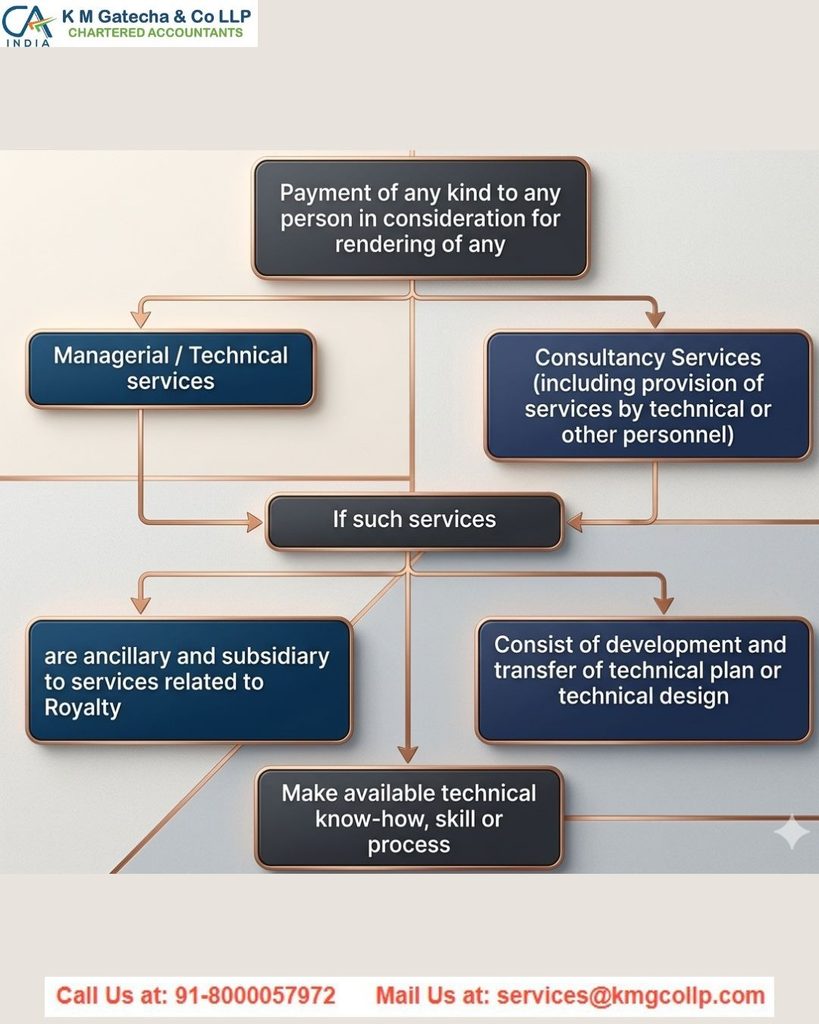
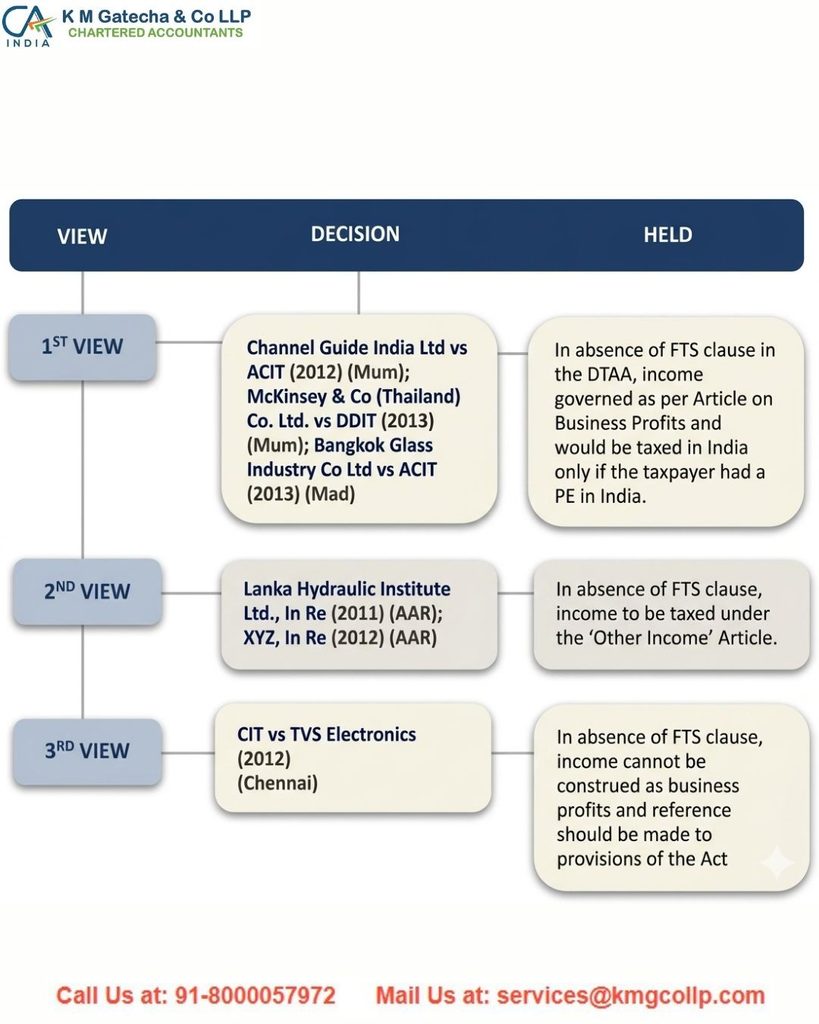
DTAA agreements also determine taxation rights related to interest, royalties, dividends, and fees for technical services. Additionally, they cover taxation aspects for salaries, directors’ fees, pensions, student payments, entertainers, athletes, and social security income.
How we Global Can Help with DTAA Advisory
We provide reliable DTAA advisory and international tax solutions to help Indian taxpayers and NRIs avoid unnecessary tax burdens and remain compliant with applicable laws.
Our DTAA consultants offer professional assistance in:
- International tax advisory
- Corporate taxation support
- Income tax consultancy
- DTAA benefit planning
- Tax liability management for NRIs and businesses
We help clients navigate complex tax regulations efficiently while minimizing the impact of double taxation and ensuring compliance with Indian and international tax laws.
Disclaimer: The content on this website is for informational purposes only and does not constitute legal, financial, or professional advice. Please consult qualified experts before acting on any information. K M GATECHA & CO LLP accepts no liability for errors, omissions, or outcomes from the use of this content. This site is not an advertisement or solicitation.


