Income Tax Scrutiny Notice: Meaning, Types, Process and How to Respond
An income tax scrutiny notice is a communication issued by the Income Tax Department when it wants to examine certain details reported in a taxpayer’s income tax return. Receiving a scrutiny notice does not necessarily mean that you have committed a tax violation. In many cases, the department simply wants to verify income, deductions, transactions, or other information provided in the return.
Understanding why scrutiny notices are issued, what they contain, and how to respond can help taxpayers handle the process properly and avoid unnecessary complications.
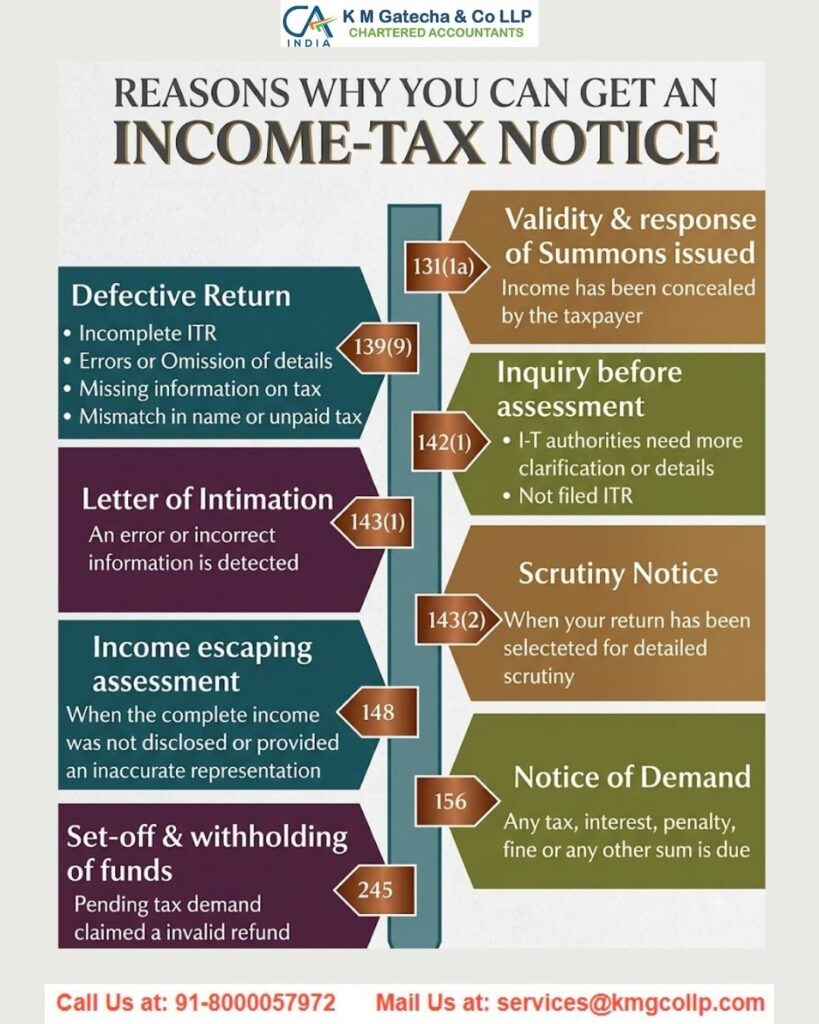
What Is an Income Tax Scrutiny Notice?
An income tax scrutiny notice is issued when the Income Tax Department selects a taxpayer’s return for detailed examination.
During scrutiny, the department may verify:
- Income reported in the ITR
- Deductions and exemptions claimed
- TDS and tax payments
- Bank and financial transactions
- Investments
- Business income and expenses
- Capital gains
- Other information relevant to the tax return
The purpose is to determine whether the income and tax liability reported by the taxpayer are correct.
Why Is an Income Tax Return Selected for Scrutiny?
There can be different reasons for selecting a return for scrutiny.
1. Mismatch in Reported Information
A difference between the information reported in the ITR and information available with the tax department may attract verification.
For example, the department may identify differences involving TDS, salary, interest income, investments, or other financial information.
2. High-Value Transactions
Certain significant financial transactions may lead to closer examination if they do not appear consistent with the income reported.
3. Incorrect Deductions
Large or unusual deductions and exemptions may require supporting documents and verification.
4. Business or Professional Income
Returns involving business or professional income may require examination of books, expenses, receipts, and other financial records.
5. Information Available With the Department
The department may have information from various reporting entities that differs from the details declared in the return.
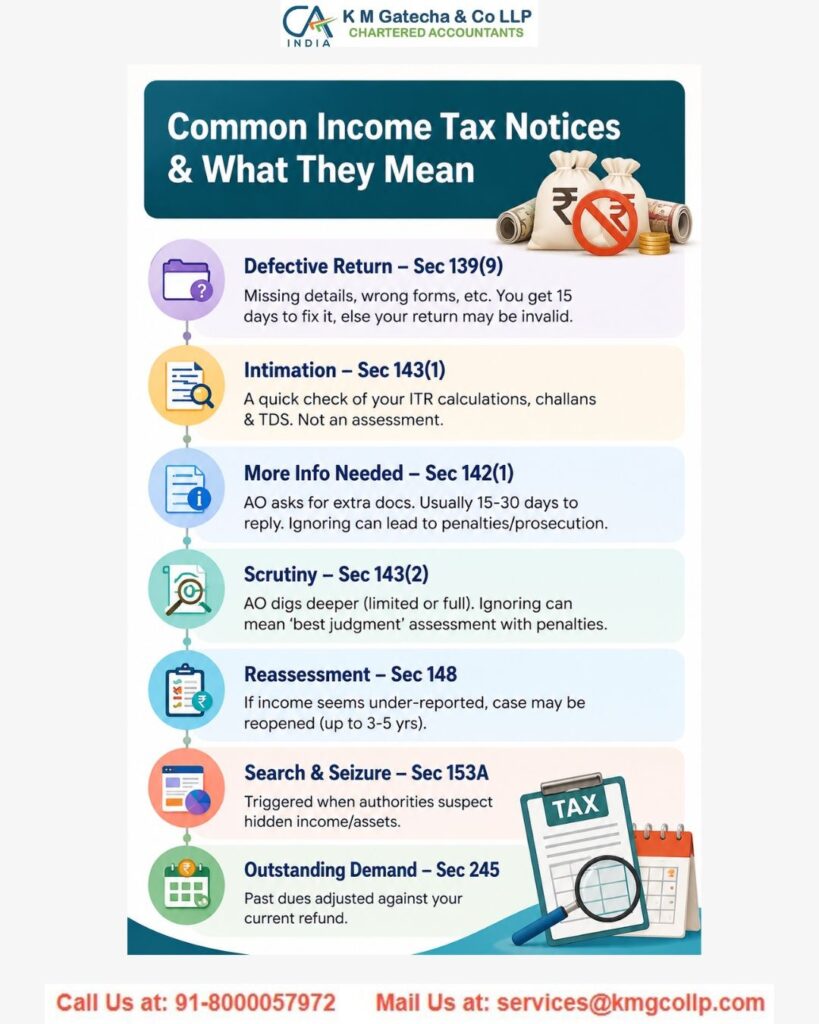
Types of Income Tax Scrutiny
Scrutiny can broadly involve different levels of examination depending on the circumstances and applicable tax provisions.
Limited Scrutiny
In limited scrutiny, the department generally examines specific issues identified for verification.
For example, the examination may relate to a particular deduction, investment, income source, or transaction.
Complete Scrutiny
Complete scrutiny involves a broader examination of the taxpayer’s return and relevant financial information.
The taxpayer may be asked to provide several documents and explanations.
Manual or Other Scrutiny Proceedings
Depending on the applicable tax administration procedures, returns may also be selected through prescribed risk-based or other mechanisms.
The scope and procedure depend on the notice issued to the taxpayer.
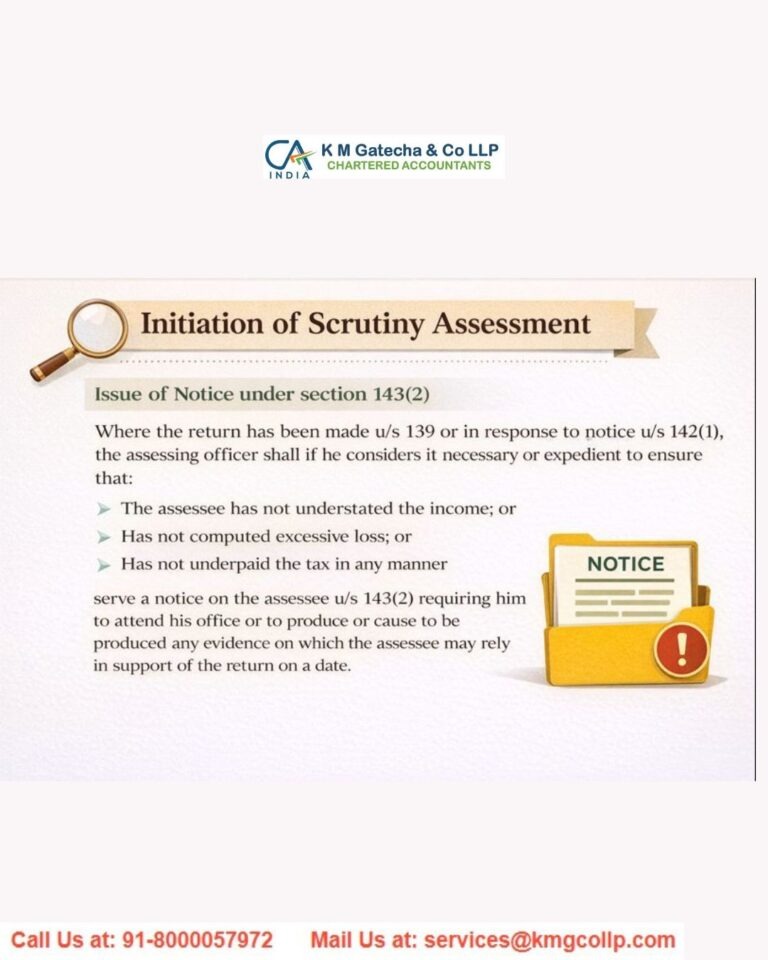
What Is Notice Under Section 143(2)?
A notice under Section 143(2) is commonly associated with scrutiny assessment.
It informs the taxpayer that the return has been selected for examination and that the tax authorities may require information or clarification regarding the return.
The notice should be read carefully because it may specify the assessment year, relevant proceedings, and other details.
What Is Notice Under Section 142(1)?
A notice under Section 142(1) may be issued when the Assessing Officer requires additional information or documents.
It can ask the taxpayer to:
- Provide specific documents
- Submit information
- Explain transactions
- Furnish details relating to the return
- Provide information necessary for assessment
The taxpayer should respond according to the requirements and within the specified time.
What Information May Be Requested During Scrutiny?
The documents requested depend on the issues being examined.
Common documents include:
- Income tax return
- Computation of income
- Form 16
- Form 16A
- AIS and TIS information
- Bank statements
- Investment statements
- Property documents
- Loan documents
- Invoices and receipts
- Business books and accounts
- Proof of deductions
- Capital gain statements
- TDS certificates
You should submit documents relevant to the questions raised in the notice.
How to Respond to an Income Tax Scrutiny Notice
Receiving a scrutiny notice can seem complicated, but following a structured approach can make the process easier.
Step 1: Read the Notice Carefully
Check:
- Assessment year
- Notice section
- Notice date
- Issues mentioned
- Documents requested
- Response deadline
Understanding the notice is the first step toward preparing the correct response.
Step 2: Verify the Notice
Check the notice through the official income tax e-filing system and ensure that the communication relates to your PAN and assessment year.
Step 3: Review Your ITR
Compare the information in the notice with your filed return.
Review your:
- Income
- Deductions
- Exemptions
- TDS
- Investments
- Capital gains
- Business or professional income
This can help identify the reason for the department’s query.
Step 4: Collect Supporting Documents
Gather documents that support the information reported in your ITR.
Make sure the documents are complete and consistent with the return.
Step 5: Prepare a Clear Explanation
Your response should address the specific questions raised in the notice.
Avoid providing inaccurate or unsupported explanations.
Step 6: Submit the Response Before the Deadline
Submit the response through the prescribed online process and retain the acknowledgement and copies of the documents submitted.
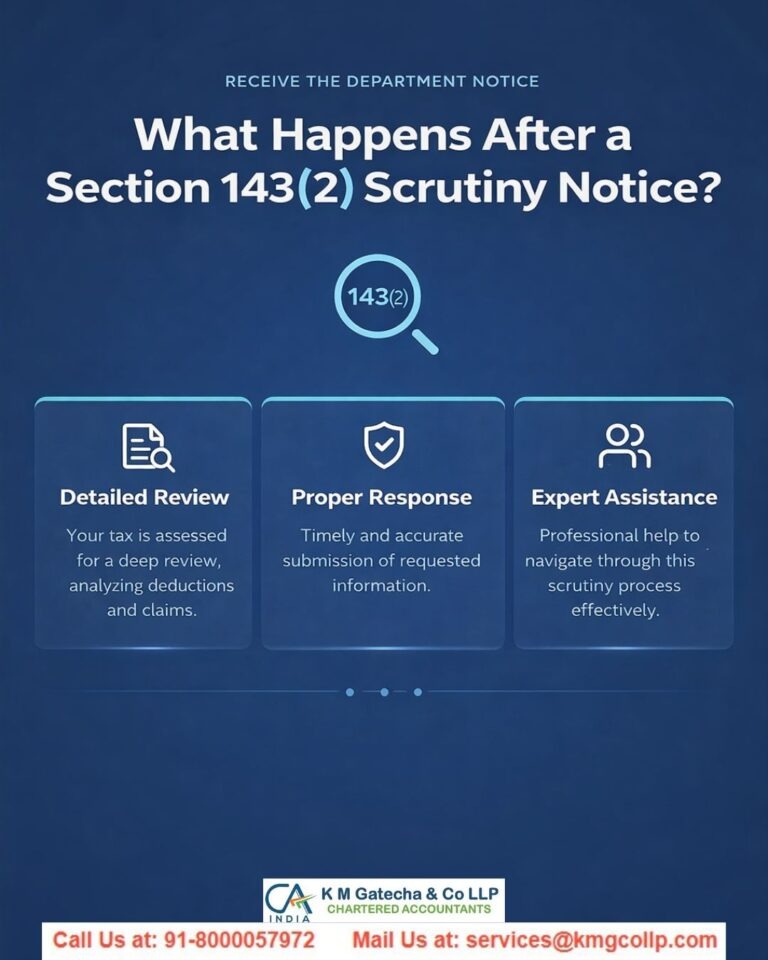
What Happens After You Respond?
After receiving your response, the tax authorities may:
- Accept the explanation
- Ask for additional information
- Request further documents
- Make adjustments or additions to income
- Complete the assessment
The outcome depends on the information provided and the issues identified during scrutiny.
What Happens If You Do Not Respond?
Ignoring an income tax scrutiny notice can result in serious consequences.
Depending on the applicable proceedings, the department may continue the assessment using the information available to it. This can potentially result in an unfavorable assessment or additional tax liability.
Therefore, taxpayers should respond within the prescribed time.
Can You Request More Time to Respond?
In certain circumstances, taxpayers may be able to request additional time, subject to the applicable procedure and the discretion or rules governing the proceedings.
It is better to take action before the deadline rather than simply ignoring the notice.
How to Handle a Scrutiny Notice Effectively
Keep the following points in mind:
Maintain Proper Records
Keep your tax returns, financial statements, bank records, invoices, investment documents, and other supporting records organized.
Reconcile Tax Information
Before filing your return, compare your income and TDS information with available tax records such as AIS and TIS.
Answer Precisely
Respond to the questions asked instead of submitting unrelated information.
Maintain Consistency
Your response should be consistent with your ITR and supporting documents.
Keep Copies
Save copies of every response, attachment, acknowledgement, and communication.
Consider Professional Assistance
If the scrutiny involves complex transactions, business income, capital gains, international income, reassessment, or a significant tax demand, consulting a chartered accountant or tax professional can be helpful.
Can an Income Tax Scrutiny Notice Be Challenged?
A scrutiny notice itself is part of the tax assessment process and should generally be addressed through the prescribed procedure.
If the taxpayer later receives an assessment order involving an incorrect addition or demand, applicable legal remedies may include rectification or appeal, depending on the circumstances.
The appropriate remedy depends on the nature of the order and the relevant provisions of tax law.
Disclaimer: The content on this website is for informational purposes only and does not constitute legal, financial, or professional advice. Please consult qualified experts before acting on any information. K M GATECHA & CO LLP accepts no liability for errors, omissions, or outcomes from the use of this content. This site is not an advertisement or solicitation.