

How to Claim DTAA Benefits in India: TRC, Form 10F, and Complete Process
India has signed Double Taxation Avoidance Agreements (DTAAs) with more than 95 countries. These agreements help businesses and individuals reduce TDS on international payments such as dividends, royalties, interest, and fees for technical services. Instead of paying higher domestic withholding tax rates, taxpayers may benefit from reduced treaty rates, generally ranging between 5% and 15%.
However, DTAA benefits are not granted automatically. A proper procedure must be followed to claim the reduced tax rate. This guide explains the complete process in a simple and structured manner.
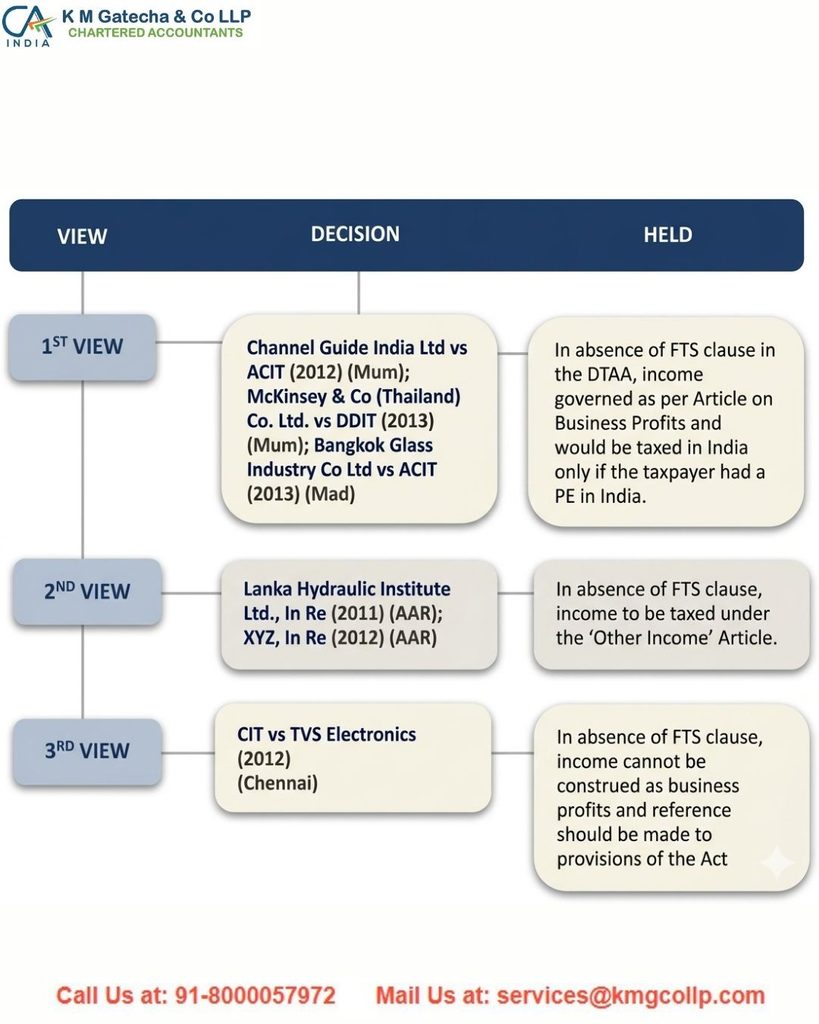
What is DTAA and Why is it Important?
A Double Taxation Avoidance Agreement (DTAA) is a tax treaty signed between two countries to prevent the same income from being taxed twice — once in the country where the income arises and again in the country where the recipient resides.
The biggest benefit of DTAA is that it allows lower withholding tax rates on international transactions. The treaty rate generally overrides the higher domestic tax rate, provided the taxpayer meets the required eligibility conditions.
For example, if an Indian company pays royalty income to a foreign company, the domestic withholding tax may be 20%. However, under an applicable DTAA, the tax rate may reduce to 10%, resulting in substantial tax savings.
Step 1 – Check Eligibility for DTAA Benefits
Before claiming treaty benefits, it is necessary to determine whether the foreign recipient qualifies under the DTAA.
Tax Residency Requirement
The foreign entity or individual must be a tax resident of the treaty country. Merely being incorporated in another country is not sufficient. The recipient should be able to prove that they are managed, controlled, and taxed in that country.
Covered Income Category
DTAA benefits are available only for specific income categories mentioned in the treaty. Common categories include:
- Royalty income
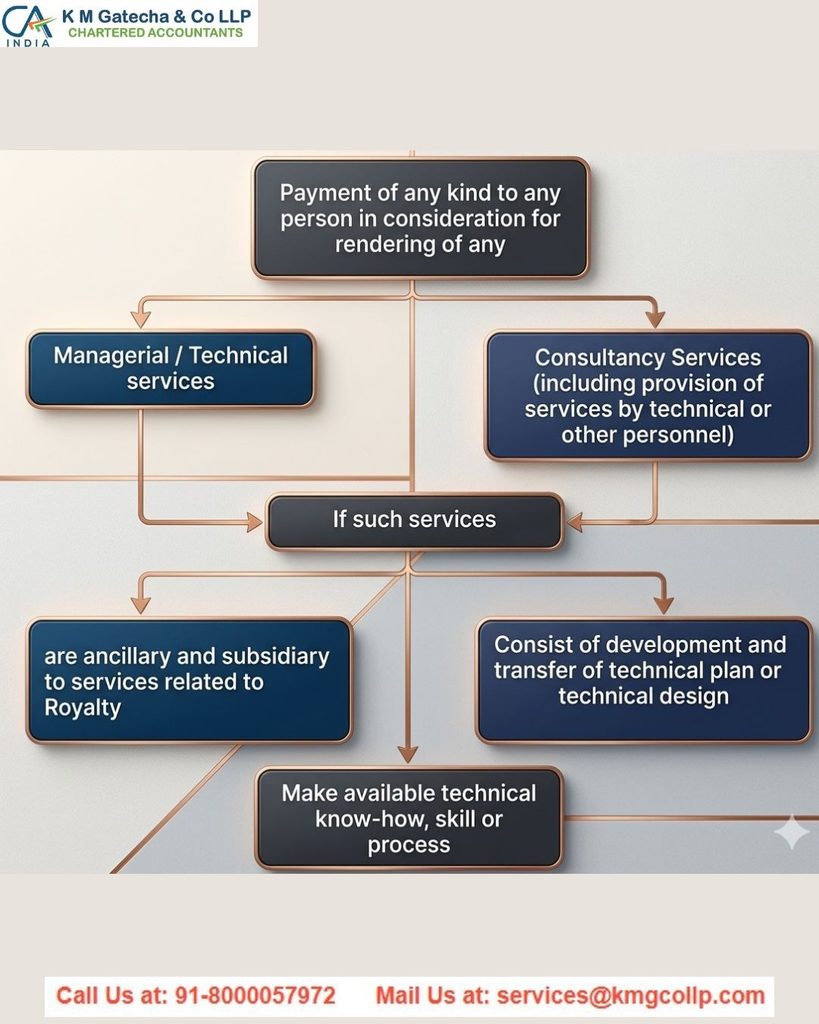
- Fees for Technical Services (FTS)
- Interest income
- Dividend income
- Capital gains
It is important to identify the relevant treaty article applicable to the payment.
Beneficial Ownership Condition
The recipient must be the actual beneficial owner of the income. This means the income should belong to the recipient and not be received on behalf of another party or intermediary. Indian tax authorities closely examine beneficial ownership, especially in structures involving countries like Singapore and Mauritius.

Step 2 – Obtain Tax Residency Certificate (TRC)
What is a TRC?
A Tax Residency Certificate (TRC) is an official document issued by the tax authority of the foreign country. It confirms that the recipient qualifies as a tax resident of that country for a specific financial year.
Who Must Obtain It?
The foreign recipient receiving income from India is responsible for obtaining the TRC from their home country’s tax authority.
Validity of TRC
A TRC is generally valid only for the relevant financial or calendar year. Therefore, it must be renewed annually.
Examples of TRC Issuing Authorities
- United Kingdom – HMRC Certificate of Residence
- United States – IRS Form 6166
- Singapore – IRAS Certificate of Residence
- UAE – Federal Tax Authority Residence Certificate
Without a valid TRC, treaty benefits may not be available under Indian tax laws.
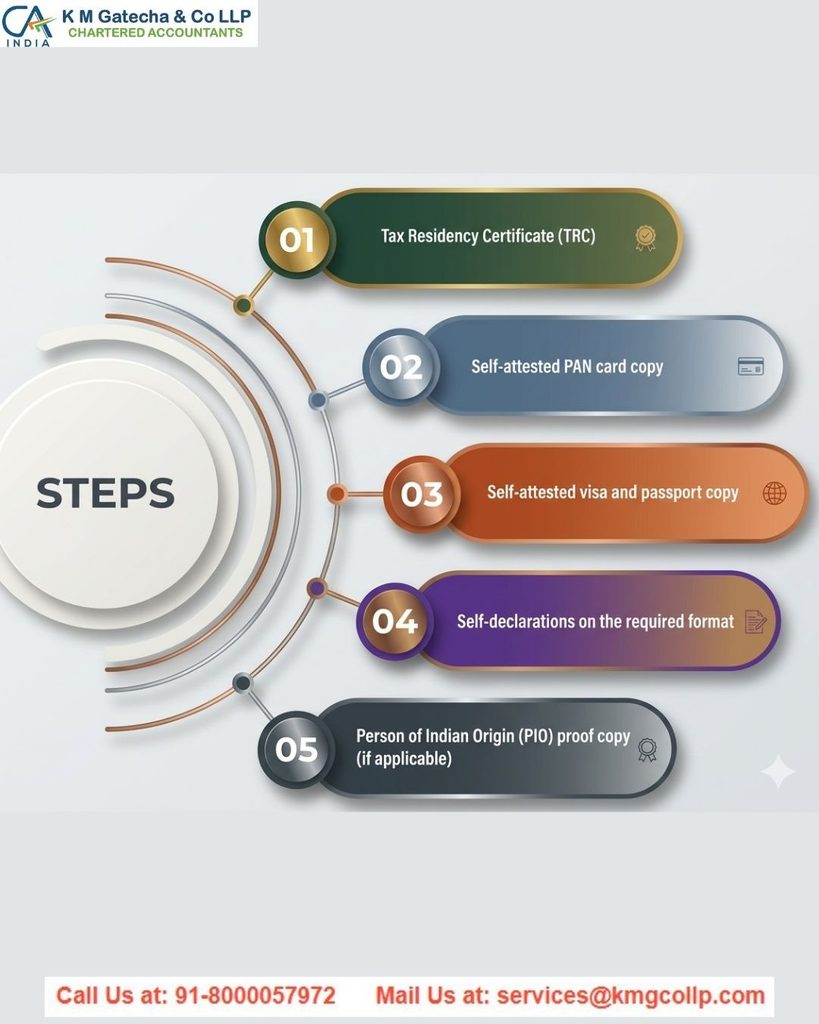
Step 3 – Filing Form 10F
Form 10F is an important compliance requirement under Section 90(5) of the Income Tax Act. It acts as a self-declaration by the non-resident and provides additional details required for claiming DTAA relief.
Information Required in Form 10F
The following details are generally required:
- Status of the taxpayer (company, trust, individual, etc.)
- Country of incorporation or residence
- Tax Identification Number (TIN) of the treaty country
- Applicable period of the TRC
- Address in the country of residence
How to File Form 10F?
Form 10F is filed electronically through the Indian Income Tax e-filing portal by the non-resident taxpayer.
In many cases, filing requires an Indian PAN. However, if PAN is unavailable, taxpayers may mention “PANNOTAVBL” in the relevant field, depending on applicability.
Step 4 – Beneficial Ownership Declaration
Apart from the TRC and Form 10F, Indian payers generally collect a declaration from the foreign recipient confirming certain conditions.
The declaration should confirm that:
- The recipient is the beneficial owner of the income
- The arrangement is not created only for obtaining treaty benefits
- The recipient has genuine commercial substance in the treaty country
Although no prescribed format exists for this declaration, it is considered an important document for compliance and risk management.
Step 5 – Apply Treaty Rate and Deduct TDS
Once all required documents are collected and verified, the payer can apply the lower DTAA tax rate while deducting TDS.
Key Compliance Requirements
- Deduct tax at the applicable treaty rate instead of the domestic rate
- File Form 27Q for payments made to non-residents
- Mention the treaty rate and relevant DTAA details in TDS returns
- Keep supporting documents such as TRC, Form 10F, contracts, and declarations safely for future scrutiny
Businesses should maintain records for at least six years as tax authorities may review these transactions later.
Understanding GAAR – Anti-Avoidance Rules
India introduced the General Anti-Avoidance Rule (GAAR) from 1 April 2017. GAAR empowers tax authorities to deny treaty benefits if an arrangement is created mainly for obtaining tax advantages without any genuine commercial purpose.
GAAR may apply in situations such as:
- Holding companies established in treaty countries without business substance
- Round-tripping arrangements where Indian money is routed back as foreign investment
- Treaty shopping structures created only for lower tax benefits
However, GAAR generally does not affect genuine business transactions supported by proper documentation, commercial activity, and real operational substance in the treaty country.
Final Thoughts
DTAA benefits can significantly reduce tax liability on international transactions, but proper compliance is essential. Obtaining a Tax Residency Certificate (TRC), filing Form 10F, verifying beneficial ownership, and maintaining supporting records are critical steps in claiming treaty relief successfully.
Businesses and NRIs dealing with foreign income or overseas payments should carefully review DTAA provisions to avoid higher withholding taxes and ensure full tax compliance.
Disclaimer: The content on this website is for informational purposes only and does not constitute legal, financial, or professional advice. Please consult qualified experts before acting on any information. K M GATECHA & CO LLP accepts no liability for errors, omissions, or outcomes from the use of this content. This site is not an advertisement or solicitation.


