
US Tax Returns for NRIs: Complete Filing Guide for 2025
If you are an NRI, Green Card holder, US citizen, or an individual with financial connections in both India and the United States, you may have tax filing responsibilities in the US. Following the applicable tax rules and reporting requirements is important to avoid penalties and ensure timely compliance.
Professional tax assistance can help you manage your US tax obligations accurately and efficiently.

US Tax Filing Services
US tax filing may include assistance with:
- Preparing and filing the annual individual tax return.
- Reporting foreign bank accounts, where applicable.
- Reporting foreign financial assets.
- Reporting ownership in foreign companies.
- Reporting investments that require additional tax disclosures.
- Reporting foreign trusts and gifts, where applicable.
- Claiming Foreign Tax Credit for taxes paid outside the US.
- Claiming tax treaty benefits, if eligible.
- Guidance on cross-border tax compliance and reporting requirements.
Who Needs to File a US Tax Return?
You may need to file a US tax return if you:
- Are a US citizen, regardless of where you live.
- Hold permanent resident status.
- Meet the residency requirements under US tax laws.
- Earn income from sources located in the United States.
- Own foreign financial assets or bank accounts that require reporting.
- Have investments or ownership in foreign businesses that must be disclosed.
- Meet any other filing requirements under US tax regulations.

Important US Tax Filing Deadlines
US tax returns must be filed within the prescribed deadlines each year. Depending on your residential status and eligibility, you may also qualify for an automatic or extended filing period.
Filing your return on time helps avoid penalties, interest, and other compliance issues.
Common US Tax Forms
The following forms are commonly used for US tax reporting, depending on your financial situation:
| Tax Form | Purpose |
| Individual Tax Return | Used to file your annual income tax return. |
| Income Schedule | Reports interest, dividend, and other income. |
| Capital Gains Schedule | Reports gains or losses from the sale of investments or other assets. |
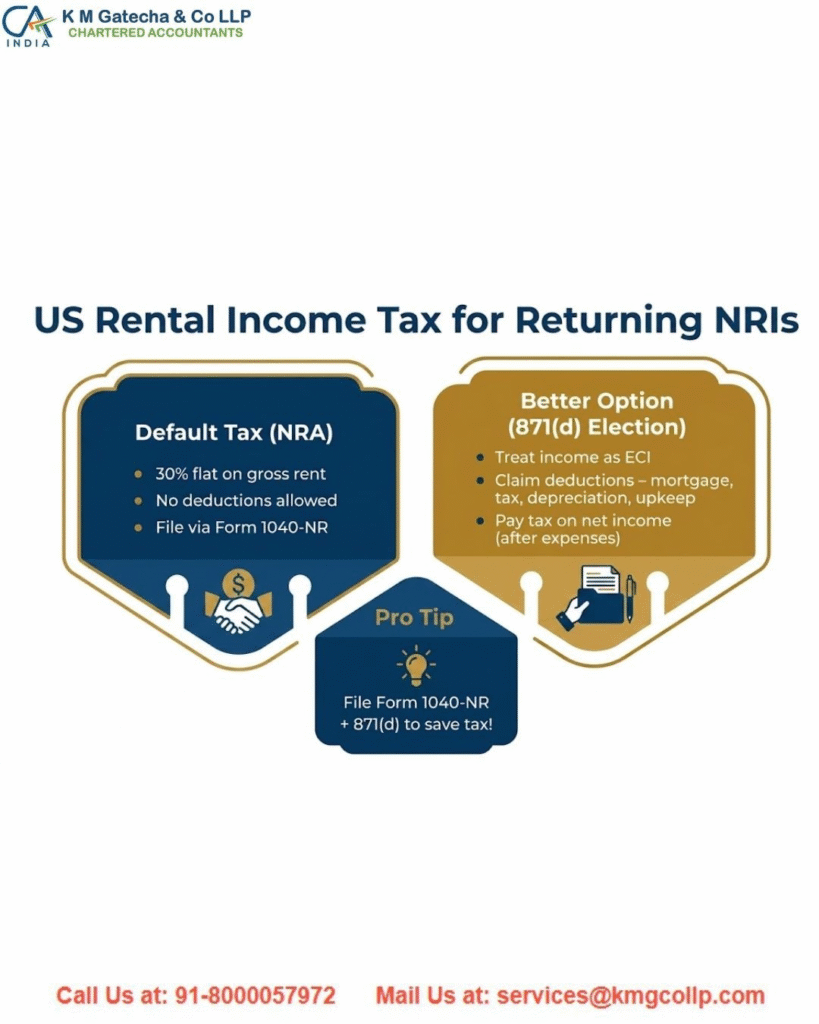
| Rental Income Schedule | Reports income from rental properties. |
| Foreign Financial Assets Form | Used to report eligible foreign financial assets. |
| Foreign Bank Account Report | Used to report foreign bank accounts when reporting requirements apply. |
| Foreign Investment Reporting Form | Used to report certain foreign investment holdings. |
| Foreign Company Reporting Form | Used to report ownership or interest in foreign companies. |
| Foreign Trust and Gift Reporting Form | Used to report eligible foreign trusts and gifts. |
| Tax Treaty Disclosure Form | Used to claim benefits available under an applicable tax treaty. |
| Foreign Tax Credit Form | Used to claim credit for eligible taxes paid in another country. |
| International Income Reporting Form | Used for reporting certain foreign business income when required. |
The forms you need to file depend on your residency status, income sources, investments, and financial assets. Understanding your filing obligations and submitting the correct forms on time can help ensure compliance with US tax laws and avoid unnecessary penalties.
Understanding Foreign Account and Asset Reporting
If you have bank accounts, investment accounts, or fixed deposits outside the United States, you may be required to report them under the applicable tax laws.
Depending on your financial situation, you may need to disclose:
- Foreign bank accounts.
- Investment accounts.
- Fixed deposits.
- Other eligible financial assets held outside the United States.
Reporting these assets on time is important to remain compliant with tax regulations and to avoid penalties.
Reporting Foreign Investments
Some foreign investments may require additional tax reporting.
For example, certain mutual fund investments held outside the United States may need to be reported through a separate tax form. These investments may have special tax rules, and the method used to calculate the tax depends on the type of investment and the applicable regulations.
Proper reporting helps ensure accurate tax filing and reduces the risk of future tax issues.
Consequences of Non-Compliance
Failure to meet tax reporting requirements may result in:
- Penalties for filing tax returns late.
- Penalties for not reporting foreign bank accounts or financial assets.
- Additional tax and interest on unpaid amounts.
- Delays in processing tax returns.
- Increased chances of tax notices or audits.
Filing the required forms accurately and within the prescribed deadlines can help avoid these issues.
Tax Planning and Double Tax Relief
Tax planning can help individuals with income in more than one country manage their tax obligations efficiently.
Eligible taxpayers may be able to:
- Claim Foreign Tax Credit (FTC) for taxes paid in another country.
- Claim benefits under a Double Taxation Avoidance Agreement (DTAA), where applicable.
- Reduce the possibility of paying tax twice on the same income.
- Plan taxes for employment or business income earned in different countries.
- Manage tax compliance for changes in residency status or international relocation.
Who May Need US Tax Filing Assistance?
Tax filing support may be useful for:
- Non-Resident Indians (NRIs) with income from the United States.
- Individuals holding permanent resident status.
- Individuals earning income in more than one country.
- Employees working overseas.
- Business owners with international income.
- Individuals returning to India after living abroad.
- Professionals working under eligible work visas.
- Individuals with foreign investments or overseas financial assets.
Disclaimer: The content on this website is for informational purposes only and does not constitute legal, financial, or professional advice. Please consult qualified experts before acting on any information. K M GATECHA & CO LLP accepts no liability for errors, omissions, or outcomes from the use of this content. This site is not an advertisement or solicitation.