
CA Certificate for Sending Money Abroad from India
CA Certificate for Remittance of Funds Outside India – Complete Guide for NRIs
If you are an NRI (Non-Resident Indian) or a Person of Indian Origin (PIO) and want to transfer money from India to another country, you may need to follow certain tax and FEMA rules. In many cases, a CA Certificate for remittance of funds outside India is required before the bank processes the transfer.
Whether the money comes from property sale, rent, investments, gifts, pension, or savings in India, proper documentation and tax compliance are important to avoid delays or legal issues.

Who is an NRI under FEMA?
Under the Foreign Exchange Management Act (FEMA), an NRI is generally an Indian citizen living outside India or a foreign citizen of Indian origin.
Even if an NRI lives abroad, they can still maintain bank accounts in India and receive money through proper banking channels. However, transferring money from India to another country is subject to RBI and FEMA regulations.
What is Repatriation of Funds?
Repatriation means transferring money from India to another country where the NRI lives.
Generally, there are two common types of repatriation:
1. Transfer from NRO Account to Overseas Bank Account
Money is transferred from an NRO (Non-Resident Ordinary) account in India to a foreign bank account.
2. Transfer from NRO Account to NRE Account
Money from an NRO account is transferred to an NRE (Non-Resident External) account.
In simple words, repatriation means moving money held in India to an overseas account or another eligible NRI account.
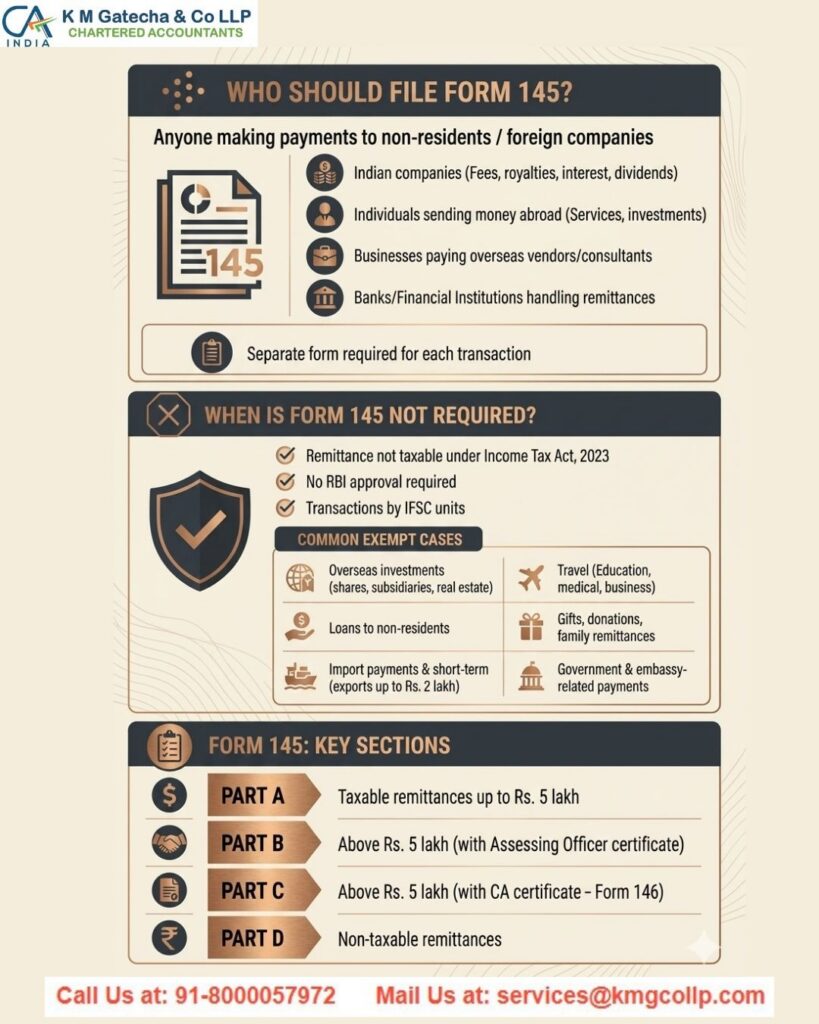
Common Sources of Funds in India for NRIs
NRIs may have different sources of income or funds in India, such as:
- Money transferred from abroad to India
- Sale proceeds of self-acquired property in India
- Sale proceeds of inherited property
- Insurance maturity amounts
- Returns from investments such as mutual funds or shares
- Provident fund maturity amount
- Gifts received in India
- Rental income from property
- Dividend income
- Interest earned on deposits or investments in India
Before sending such money abroad, tax and FEMA compliance may be required.
Difference Between NRE and NRO Accounts
NRE Account
An NRE account is mainly used for depositing income earned outside India.
Key features:
- Funded through foreign income only
- Freely transferable outside India
- No major restrictions on repatriation
- Money can be moved to NRO or FCNR accounts
NRO Account
An NRO account is used to manage income earned in India, such as:
- Rent income
- Pension
- Interest income
- Sale proceeds of property or investments
- Dividend income
Before transferring money abroad from an NRO account, taxes (if applicable) must generally be paid.

Why is a CA Certificate Required for Fund Remittance?
When transferring money from an NRO account to an overseas account or NRE account, banks often ask for a CA Certificate (Form 15CB).
This certificate helps verify:
- Source of funds
- Taxability of income in India
- Whether taxes have been correctly paid
- Compliance with FEMA and Income Tax rules
A Chartered Accountant checks the documents and confirms that the remittance follows applicable laws.
What is Form 15CB?
Form 15CB is a certificate issued by a Chartered Accountant for foreign remittance.
It confirms:
- Nature and source of funds
- Tax applicable on remittance
- Taxes already paid or deducted
- Compliance with Indian tax laws
This form is usually linked with Form 15CA, which is filed online before remittance.
Types of Fund Transfers for NRIs
1. NRE Account to Foreign Bank Account
This transfer is generally freely allowed.
Usually:
- No major tax compliance is required
- Funds can be transferred through online banking or bank request
2. NRO Account to NRE Account
This transfer is allowed after:
- Completing FEMA compliance
- Paying taxes, if applicable
- Filing required tax forms
3. NRO Account to Foreign Bank Account
This transfer also requires:
- Tax compliance
- Supporting documents
- Form 15CA and Form 15CB (where applicable)
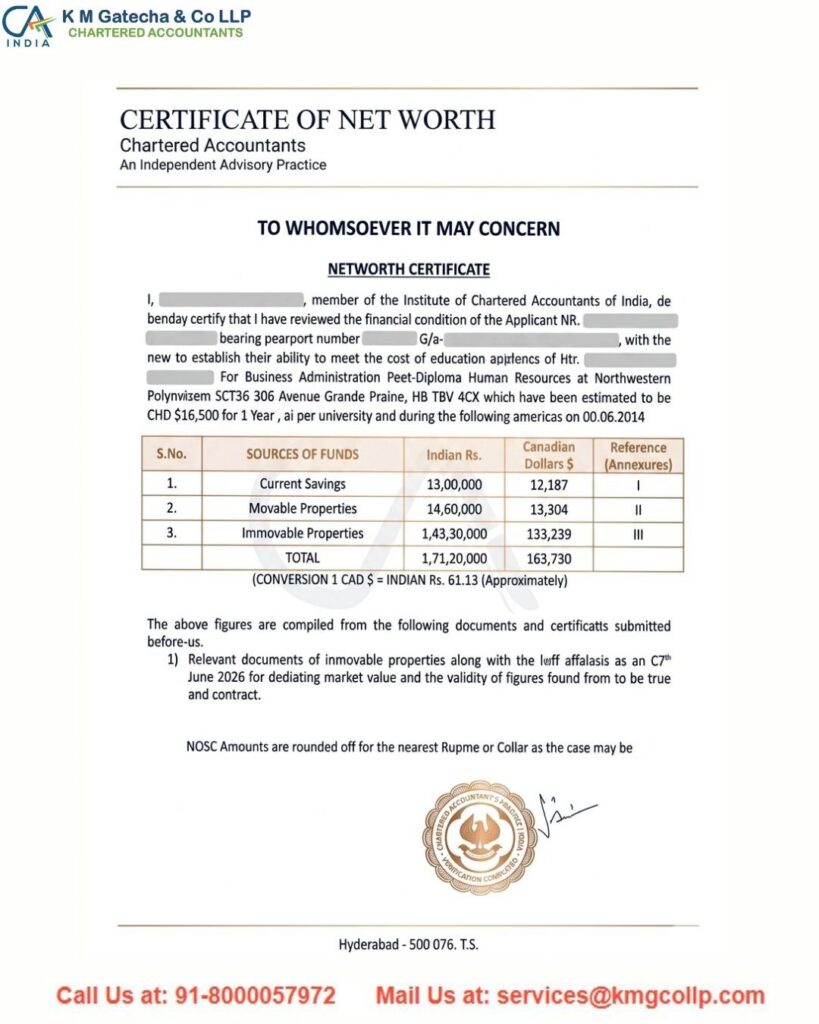
Documents Required for Remittance of Funds
For transferring money from an NRO account to NRE account or overseas account, the following documents are commonly required:
Identity Documents
- PAN card copy
- Passport copy
- Visa or overseas address proof (if required)
Bank Documents
- Bank application form for remittance
- Bank account details
- Cancelled cheque or bank statement
FEMA Documents
- Form A2 declaration
- Source of funds declaration
Tax Documents
- Form 15CA
- Form 15CB issued by a Chartered Accountant
- Proof of taxes paid (if applicable)
Supporting Documents Based on Source of Income
- Property sale documents
- Rental agreements
- Gift deed
- Insurance maturity documents
- Investment statements
Limit for Repatriation of Funds by NRIs
RBI has prescribed limits for repatriation of funds from NRO accounts.
Currently, NRIs can transfer funds up to the permitted annual limit during a financial year, subject to:
- Proper documentation
- Tax compliance
- FEMA rules
- Verification by the bank
The limit applies to total transfers across all NRO accounts.
Special RBI Approval for Higher Remittance
In some genuine situations, special approval from RBI may be required for transferring funds beyond standard limits.
This may apply in cases such as:
- Medical treatment abroad
- Education expenses
- Relocation to another country
- Sale of high-value property
- Business closure in India
- Family support or dependency reasons
Approval is considered based on supporting documents and circumstances.
Why Proper Compliance is Important?
Before sending money abroad, it is important to ensure:
- Correct tax payment
- Proper source of funds verification
- FEMA compliance
- Correct filing of forms
Missing documents or incorrect tax reporting can delay remittance or create legal complications.
Conclusion
For NRIs, transferring money from India to another country is possible, but proper tax and FEMA compliance is important. If funds are held in an NRO account or earned in India through rent, investments, property sale, or gifts, documents such as Form 15CA and Form 15CB may be required.
Getting professional guidance can help ensure smooth fund transfer, correct tax calculation, and faster remittance without unnecessary delays.
Disclaimer: The content on this website is for informational purposes only and does not constitute legal, financial, or professional advice. Please consult qualified experts before acting on any information. K M GATECHA & CO LLP accepts no liability for errors, omissions, or outcomes from the use of this content. This site is not an advertisement or solicitation.