

What Exactly Are Bookkeeping Services?
As a business owner, you may have often heard about the importance of maintaining proper bookkeeping records. Managing accounts efficiently can become increasingly difficult as your business grows, making professional bookkeeping services a valuable solution for keeping your financial records accurate, organized, and up to date.
Bookkeeping involves much more than simply recording income and expenses. It helps businesses maintain reliable financial information, monitor cash flow, manage receivables and payables, and make informed financial decisions.
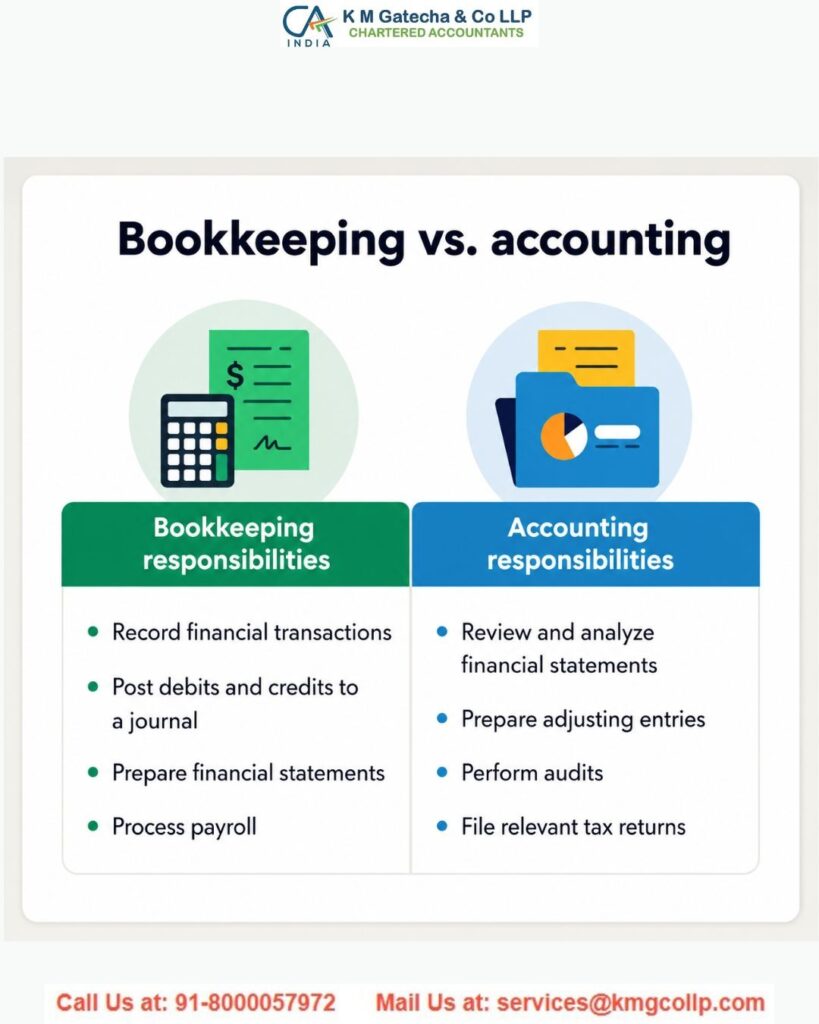
What Do Bookkeeping Services Include?
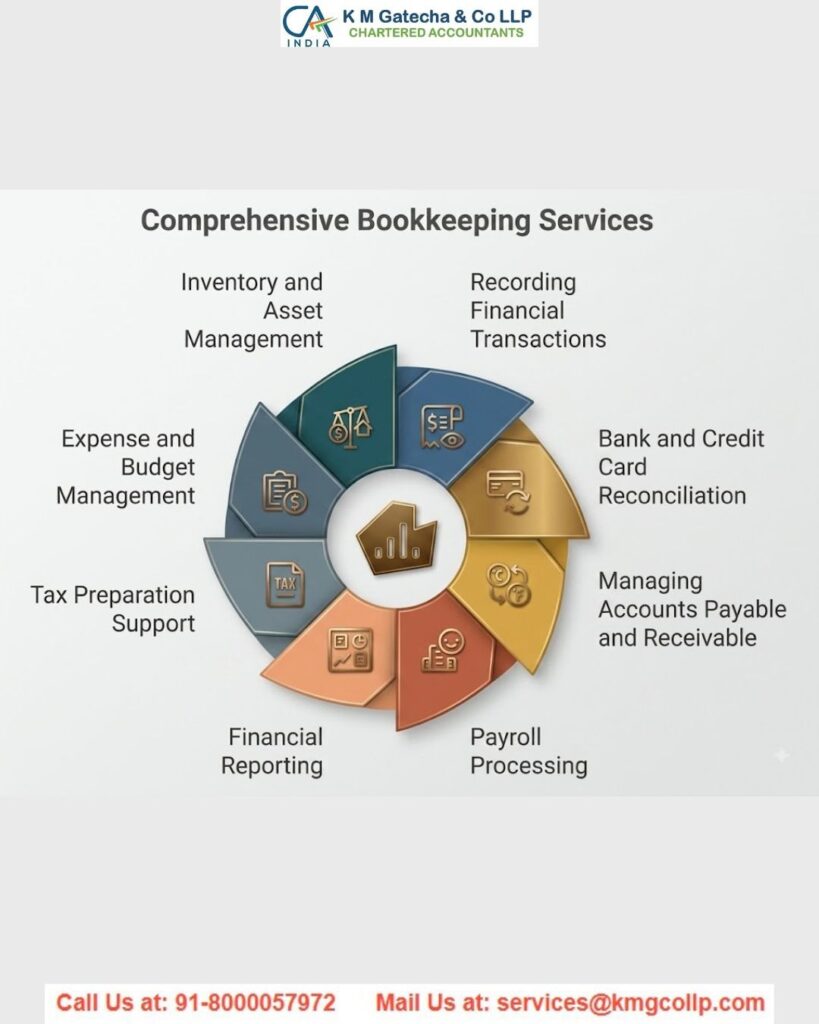
Professional bookkeeping services generally follow a structured approach to managing a business’s financial processes.
The first stage involves setting up and configuring the accounting software according to the specific requirements of the business. An accounting software specialist ensures that the appropriate accounts, reports, and financial tools are properly configured and accessible.
The next stage is handled by the bookkeeper, whose primary responsibility is to record and maintain the company’s financial transactions. This includes tracking accounts payable and receivable and ensuring that financial records remain complete and accurate.
A full-service bookkeeper may also handle several additional responsibilities, such as:
- Managing payroll and related records
- Recording deposits and business transactions
- Preparing and maintaining financial reports
- Managing sales tax and other applicable tax records
- Handling quarterly tax and withholding information
- Reconciling bank statements with accounting records
- Supporting the business during audits
Accurate bookkeeping is useful when preparing financial plans, applying for business financing, responding to audits, or developing future budgets and business strategies.
Creating Financial Checks and Balances
Combining accounting software with professional bookkeeping creates an effective system of checks and balances within a business.
Business expenses can be recorded and reviewed regularly, while accounts receivable and payable can be monitored systematically. Comparing actual spending with budgets also helps identify inefficiencies and provides useful information for preparing more accurate financial forecasts.
Five Main Types of Accounts in Bookkeeping
Bookkeeping generally involves five major categories of accounts:
- Assets: Resources owned by the business, such as cash, inventory, equipment, and other property.
- Liabilities: Financial obligations and debts owed by the business.
- Revenue: Income generated through the sale of goods or provision of services.
- Expenses: Costs incurred for operating the business, such as salaries, rent, utilities, and other operating expenses.
- Equity: The residual value of the business after deducting its liabilities from its assets.
Role of a Financial Controller
The third level of a comprehensive bookkeeping system involves the financial controller. The controller provides an additional layer of financial oversight and accountability.
A controller reviews the bookkeeping records for accuracy, helps maintain the integrity of the accounting data, and ensures that financial adjustments are properly controlled and authorized.
The controller may also prepare monthly financial reports that highlight important financial developments, potential issues, and areas that may require management attention.
Together, accounting software specialists, bookkeepers, and controllers create a structured financial management system that helps businesses maintain accurate records and better understand their financial position.
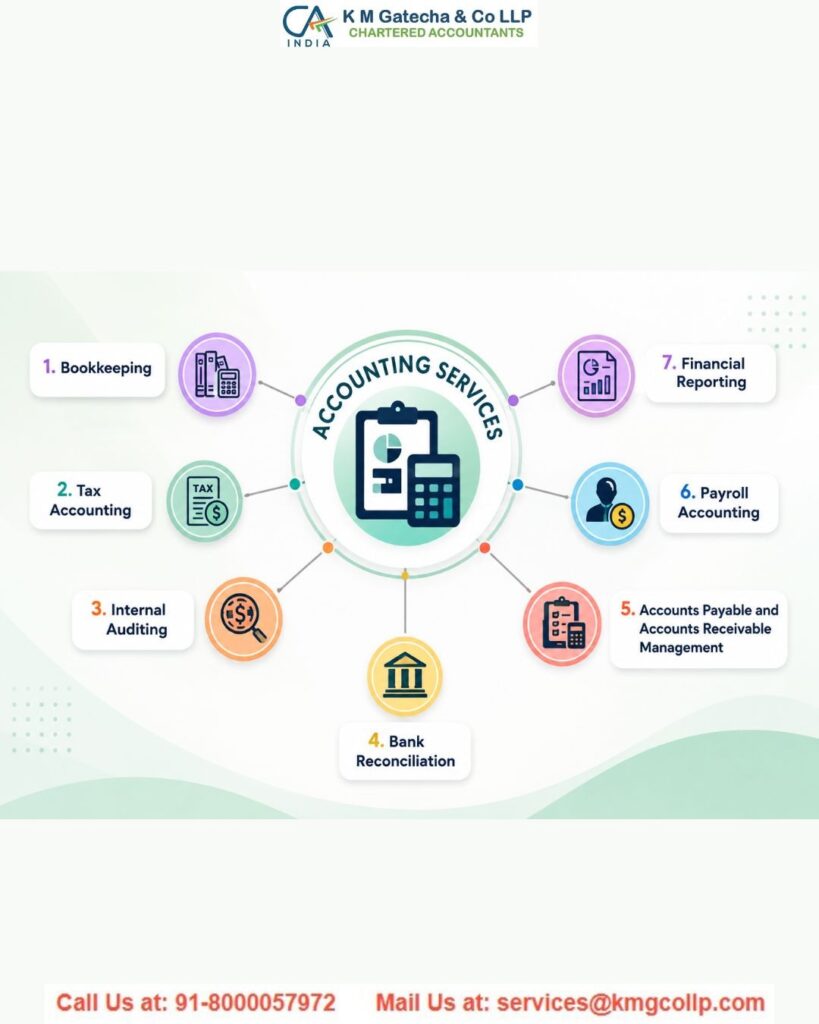
The Role of Bookkeepers
Many people assume that bookkeeping is mainly about data entry or tax-related work. In reality, professional bookkeeping is focused on maintaining complete, accurate, and useful financial records that support better business decisions.
A bookkeeper records and organizes the company’s financial transactions, ensuring that accounts and records remain accurate and up to date. Beyond simply maintaining records, effective bookkeeping helps businesses understand their financial position and identify opportunities for future growth.
Professional bookkeeping services provide businesses with a reliable monthly view of their financial performance. Accurate financial information helps business owners and management make informed decisions, plan effectively, and develop strategies for long-term growth.
Bookkeepers also reconcile bank accounts to ensure that recorded transactions match the actual bank balances. They monitor money coming into and going out of the business and ensure that transactions recorded in accounting software are accurate.
Their responsibilities may also include collecting and organizing information related to payroll, payment processors, business expenses, and other financial transactions. Each transaction is properly identified, categorized, and recorded.
How a Bookkeeping Service Benefits Your Business
A professional bookkeeping service does more than complete individual accounting tasks. The consistent financial processes and systems they establish can have a significant impact on the overall financial health and efficiency of your business.
Bookkeeping services help create and maintain a structured approach to recording, paying, tracking, and reporting financial transactions. This consistency reduces financial risks and helps protect the business from costly errors and compliance issues.
A full-service bookkeeper may also coordinate with management and different departments to approve purchases, collect expense reports, and ensure that financial information is properly recorded. This requires strong organizational, financial, and communication skills.
Professional bookkeeping can also help control business expenses. Maintaining accurate books reduces the likelihood of costly mistakes, fees, and penalties while helping identify unnecessary spending, waste, or poor management of inventory and supplies.
Overall, professional bookkeeping can save both time and money while introducing greater consistency, efficiency, and financial control. These benefits can support sustainable growth and contribute to the long-term profitability of the business.

Hiring a Bookkeeping Service
Choosing a bookkeeping service involves more than finding someone who can operate accounting software or perform basic calculations. A reliable service provider should have the professional knowledge, training, experience, and industry expertise needed to effectively manage your business’s financial records.
Ideally, you should look for professionals with relevant accounting technology certifications and experience in your specific industry or business requirements.
One practical way to access experienced bookkeeping professionals is to outsource your accounting functions to a specialized bookkeeping service provider. Businesses can outsource an entire accounting function, including an accounting technology specialist, full-charge bookkeeper, and financial controller, without having to build a large internal accounting team.
Outsourcing bookkeeping can be particularly useful for businesses looking to improve efficiency while controlling the cost of maintaining an in-house accounting department. Virtual bookkeeping professionals can provide accounting support regardless of where your business is located.
Bookkeeping is an essential part of running a small business. It helps maintain financial records, monitor cash flow, understand business performance, and plan for future requirements.
As your business grows, establishing a reliable accounting team can improve the management of income and expenses, increase financial efficiency, support employee accountability, and reduce exposure to financial and audit-related risks. A professional virtual bookkeeping service can provide the financial support needed to maintain organized records and build a stronger foundation for long-term business growth.
Disclaimer: The content on this website is for informational purposes only and does not constitute legal, financial, or professional advice. Please consult qualified experts before acting on any information. K M GATECHA & CO LLP accepts no liability for errors, omissions, or outcomes from the use of this content. This site is not an advertisement or solicitation.


