What Is Internal Audit: Process, Types & Benefits
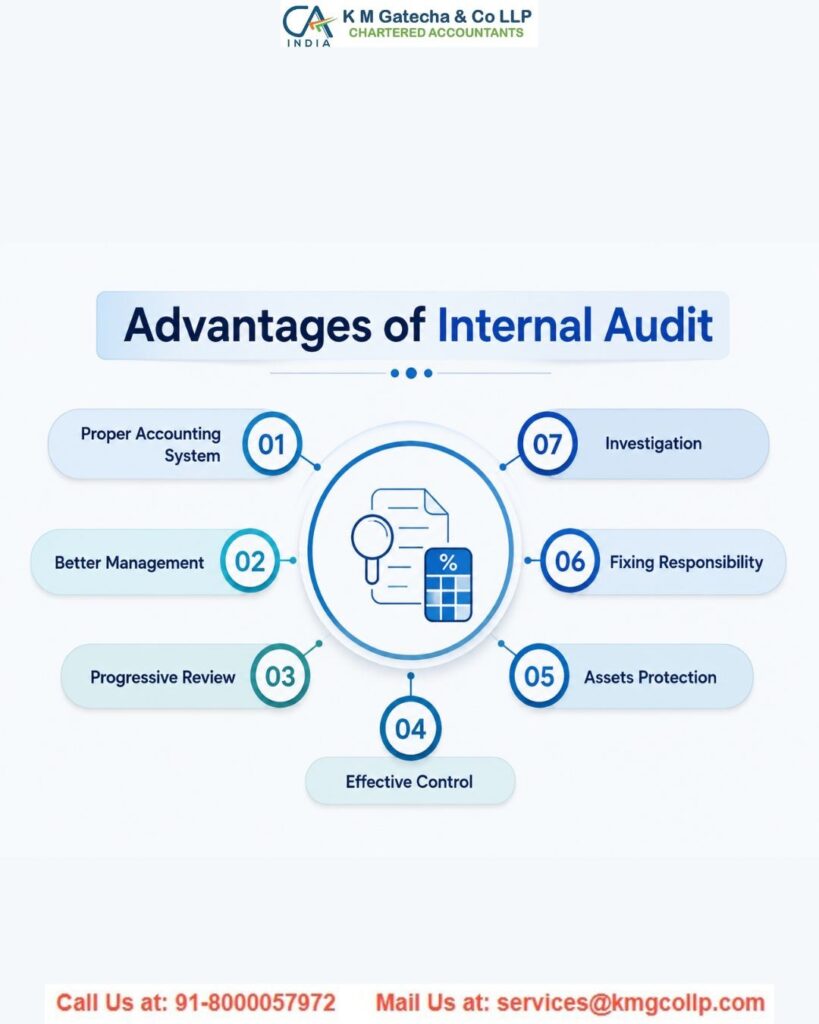
Internal audit is an important business function that helps organizations assess internal controls, identify risks, strengthen governance, and improve operational efficiency. Although internal audits are mandatory for certain classes of companies in India, their importance goes beyond meeting statutory requirements. They provide a structured and independent approach to identifying process weaknesses, improving accountability, and supporting informed business decisions.
What Is an Internal Audit?
Internal audit is an independent and objective assurance function that evaluates whether an organization’s internal systems, processes, and controls are functioning effectively. It is not restricted to checking regulatory compliance; it also examines how effectively an organization manages risks, safeguards its assets, maintains accurate reporting, and works toward its operational and strategic objectives.
The scope of an internal audit can extend well beyond financial controls. Depending on the organization and its requirements, it may cover:
- Operational processes
- Compliance systems
- Internal controls
- Technology and information systems
- Corporate governance
- Risk management
- Business continuity
- Cybersecurity
- Process efficiency
- Business transformation initiatives
By evaluating these areas, internal audit helps management identify weaknesses, address control gaps, and improve the way business processes are managed.
Why Internal Audit Matters to Organizations
Internal audit is important because businesses operate amid uncertainty, changing regulations, operational challenges, and constant performance demands. A properly structured internal audit function helps management identify weaknesses before they develop into major problems. It also provides greater visibility into whether policies are being followed, risks are adequately controlled, and business processes are functioning as expected.
Types of Internal Audit
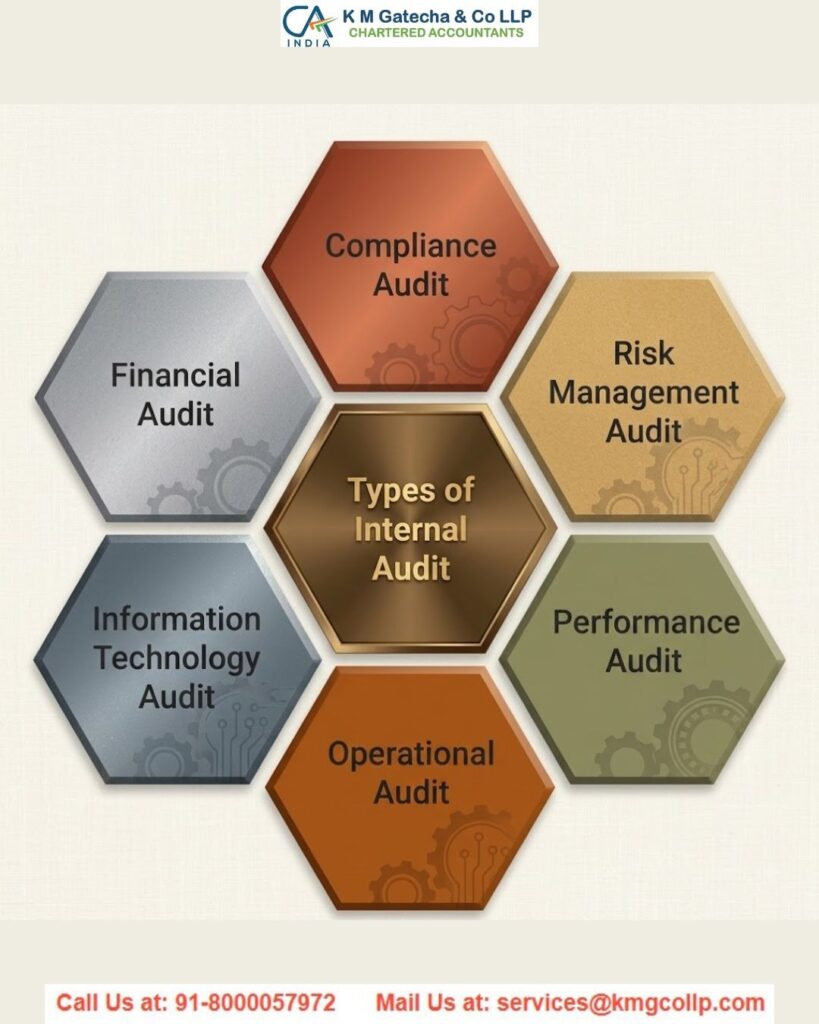
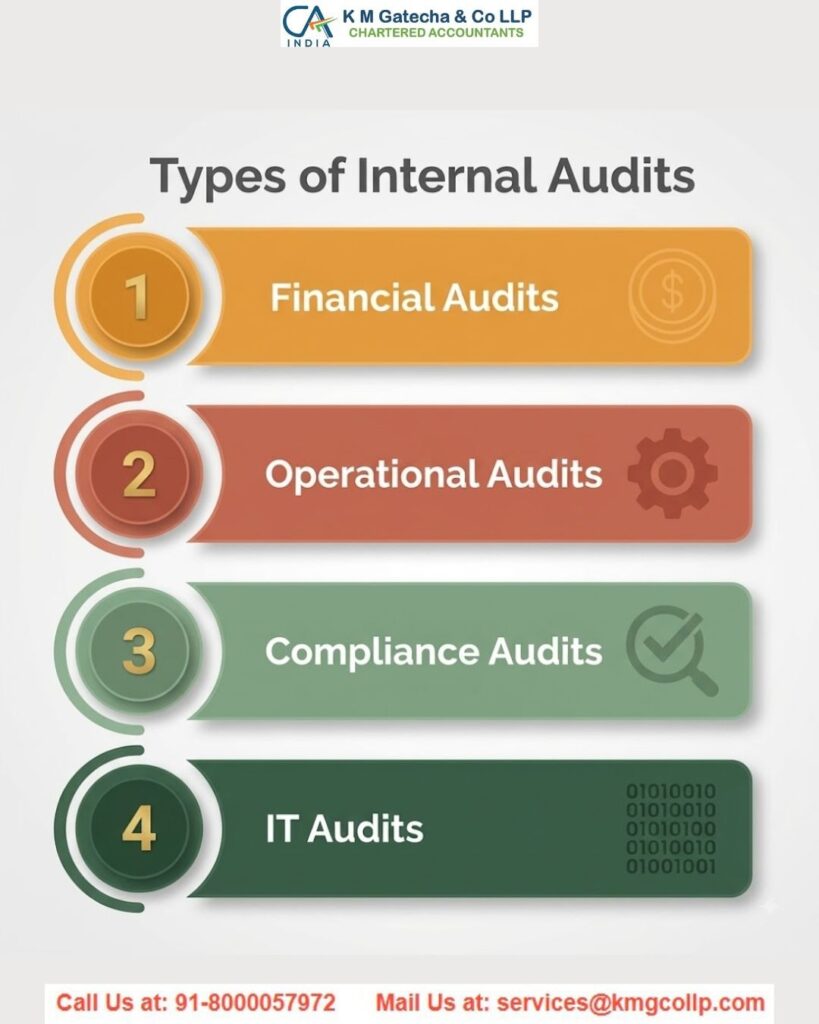
The scope of an internal audit depends on the organization’s operations, risk profile, and specific requirements. Common types of internal audits include:
- Financial Audit: Reviews accounting procedures, financial controls, and the accuracy and reliability of financial reporting.
- Operational Audit: Examines processes across functions such as procurement, production, logistics, human resources, and administration to identify inefficiencies and weaknesses.
- Compliance Audit: Evaluates whether the organization is complying with applicable laws, regulations, internal policies, and established procedures.
- IT Audit: Assesses information systems, access controls, data security, cybersecurity measures, and technology-related governance.
- Performance Audit: Determines whether business processes and management actions are effectively contributing to the organization’s intended objectives.
- Environmental or ESG Audit: Reviews environmental, social, and governance practices in line with regulatory requirements and stakeholder expectations.
- Special Audit: Conducts a focused examination of a particular issue, event, concern, or management requirement.
- Fraud-Focused Review: Examines specific transactions, activities, or control environments where there may be an increased risk of fraud, misuse, or financial misstatement.
Internal Audit Process
While the exact approach may differ depending on the scope and objectives of the engagement, an internal audit generally follows a systematic process to evaluate controls, identify exceptions, determine their underlying causes, and recommend corrective measures.
A typical internal audit process includes:
- Process Review: Examining business processes, systems, documentation, physical procedures, and internal controls across relevant functions.
- Transaction Analysis: Reviewing transaction data and reports to identify unusual trends, exceptions, anomalies, or irregular patterns.
- Detailed Transaction Review: Examining supporting documents and records relating to selected high-risk or exception-based transactions.
- Root Cause Analysis: Determining the underlying reasons for identified weaknesses or control gaps and assessing the corrective measures required.
- Reporting: Presenting audit observations, potential implications, and recommendations for management consideration and follow-up.
Internal Audit Applicability in India
In India, the requirement for internal audit is prescribed under the Companies Act, 2013 for specified classes of companies. It is mandatory for all listed companies and also applies to certain unlisted public and private companies that meet the prescribed financial and borrowing thresholds. This requirement highlights the role of internal audit in promoting stronger governance, accountability, and financial discipline.
Applicability for Unlisted Public Companies
Internal audit is applicable to an unlisted public company if it meets any of the following criteria:
- Paid-up share capital of ₹50 crore or more during the preceding financial year.
- Turnover of ₹200 crore or more during the preceding financial year.
- Outstanding loans or borrowings from banks and public financial institutions exceeding ₹100 crore at any time during the preceding financial year.
- Outstanding deposits of ₹25 crore or more at any time during the preceding financial year.
Applicability for Private Companies
Internal audit is applicable to a private company if it meets either of the following conditions:
- Turnover of ₹200 crore or more during the preceding financial year.
- Outstanding loans or borrowings from banks and public financial institutions exceeding ₹100 crore at any time during the preceding financial year.
Benefits of Internal Audit
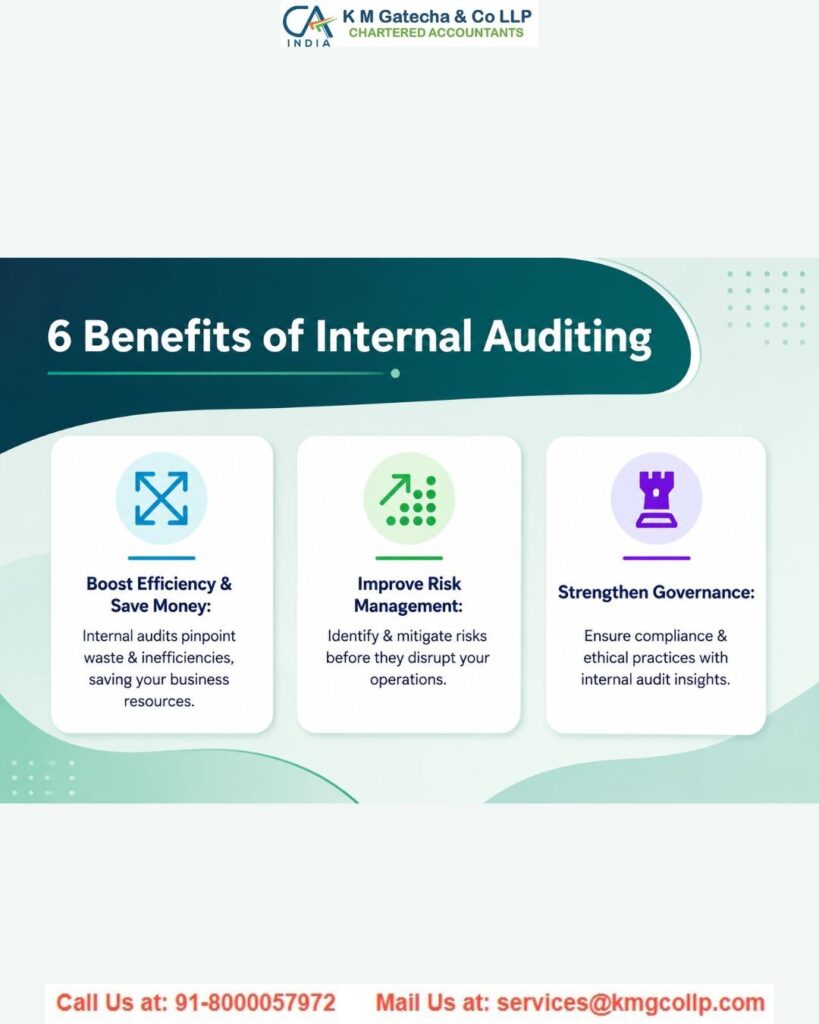
Internal audit provides benefits across governance, compliance, finance, operations, and overall business performance. By independently evaluating whether processes and controls are working effectively, it helps organizations identify concerns early and take corrective measures before they develop into larger issues.
- Identifying Control Gaps: Internal audit identifies weaknesses in the design or implementation of controls that could increase the risk of fraud, errors, asset loss, or regulatory non-compliance.
- Strengthening Governance: It promotes transparency, accountability, and effective oversight by assessing whether responsibilities, approval mechanisms, and reporting structures are operating properly.
- Improving Compliance: Internal audit helps identify gaps in compliance with applicable laws, regulations, internal policies, and established procedures.
- Enhancing Operational Efficiency: It identifies process inefficiencies and areas of waste, helping organizations improve productivity and maintain stronger operational discipline.
- Better Cost Management: Reviewing expenses, financial controls, and process leakages helps businesses identify opportunities to improve cost control.
- Technology and Cybersecurity Oversight: Internal audit can evaluate IT systems, access controls, data security, and cybersecurity practices to identify potential vulnerabilities.
Disclaimer: The content on this website is for informational purposes only and does not constitute legal, financial, or professional advice. Please consult qualified experts before acting on any information. K M GATECHA & CO LLP accepts no liability for errors, omissions, or outcomes from the use of this content. This site is not an advertisement or solicitation.