Internal Audit and Its Importance for the Business
Introduction
The need for both external and internal audits arises from the importance of having an independent mechanism to verify financial records, reduce accounting errors, prevent asset misappropriation, and detect fraud in businesses and non-profit organizations.
Brief History
- The origins of internal auditing can be traced back centuries B.C., when merchants used verification methods to check receipts for goods such as grain brought to market. The profession developed significantly during the 19th and 20th centuries as corporate businesses expanded. As companies began operating across multiple locations and employing large workforces, the need for effective internal control systems increased.
- Internal auditing also has roots in the Maurya dynasty, where Kautilya, a 4th-century B.C.E. economist, emphasized the importance of accounting practices in economic activities. In India, internal audit requirements were first introduced for certain categories of companies through the Manufacturing and Other Companies (Auditor Report) Order (MAOCARO), 1975. With the introduction of the Companies Act, 2013, along with continuously evolving regulations, the need for professional expertise, up-to-date knowledge, and integrity in auditing has grown significantly.
Importance of Internal Audit in Business
1. Understanding the Basics of Business
Before exploring why internal audit is an important part of a successful business, it is essential to understand what the term business means from an entrepreneur’s perspective.
In simple terms, a business involves identifying a problem or need in society, developing a solution, and commercializing it to create wealth, employment, and value. It requires an organization to manage different types of resources while responding to an unpredictable external environment and working toward common objectives.
These resources can broadly include:
- Financial Resources: Funding and capital.
- Human Resources: Employees and workforce.
- Educational Resources: Industry knowledge and expertise.
- Physical Resources: Premises, equipment, and other physical assets.
2. Role of Internal Audit
To achieve its goals and objectives effectively, an organization must ensure that its resources are being utilized efficiently. This is where areas such as accountancy, financial analysis, and auditing play an important role.
As a business grows, its resources, operations, and external environment become increasingly complex. Regular reviews and checks therefore become important to determine whether resources are being used efficiently and whether the organization is complying with applicable laws and regulations.
While statutory audits are mandatory for applicable companies, the importance and benefits of internal audit can justify its cost. Internal audit is generally driven by management requirements and helps organizations identify irregularities and weaknesses before they become significant issues during statutory audits or regulatory reviews.
An internal auditor (IA) is a trained professional who provides independent and objective assessments of an organization’s financial and operational activities, including corporate governance. The role involves evaluating compliance with applicable laws and regulations, reviewing internal procedures, and assessing whether business operations are functioning efficiently.
3. Why Every Business Needs Internal Audit
Organizations of different sizes and structures can benefit from an internal audit function. However, the scope and structure of internal audit may vary depending on the organization’s size, operations, and complexity.
The primary purpose of internal audit is to provide independent assurance that the organization’s risk management, governance, and internal control processes are functioning effectively.
The Institute of Internal Auditors describes internal auditing as:
“Internal auditing is an independent, objective assurance and consulting activity designed to add value and improve an organization’s operations.”
Many organizations choose to outsource or co-source internal audit functions to external professionals to improve efficiency and access specialized expertise.
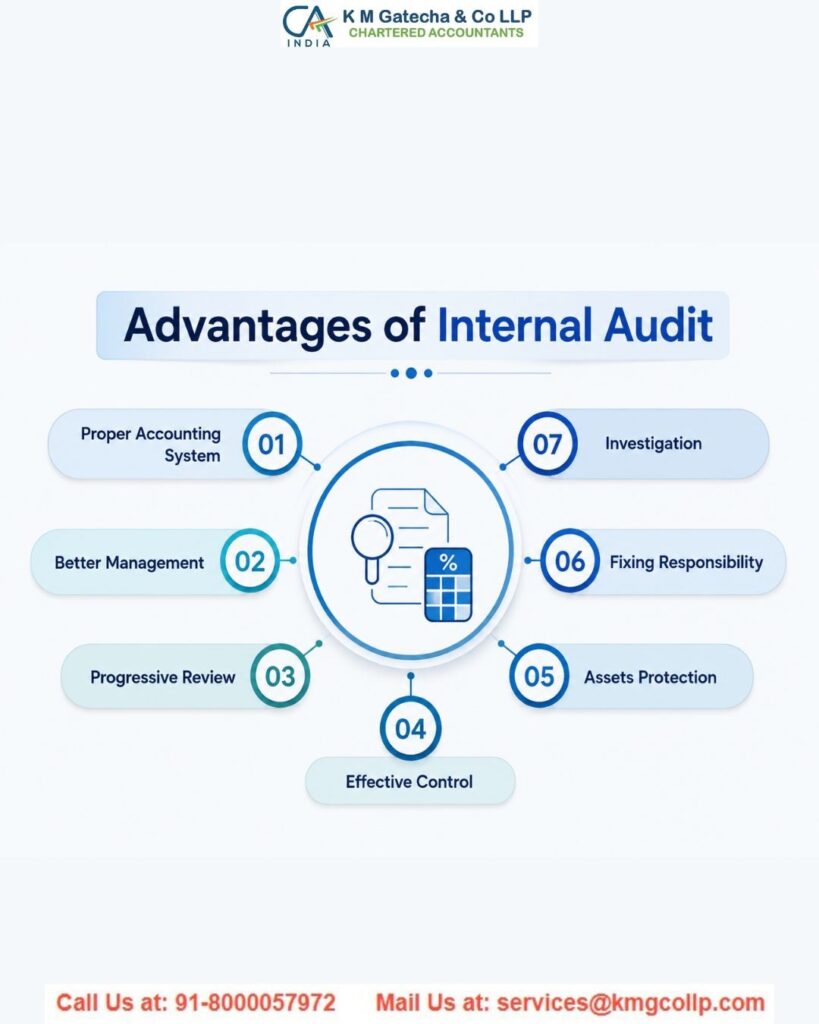
An effective internal audit function can help an organization:
- Build confidence in its ability to achieve core business objectives.
- Save time and control costs through improved processes.
- Protect the organization against fraud and discourage fraudulent practices.
- Reduce operational, financial, cybersecurity, and other business risks.
- Improve compliance with applicable laws, regulations, and standards.
- Provide assurance to the board of directors and audit committee that internal controls and business processes are operating effectively.
Key Benefits of Internal Audit
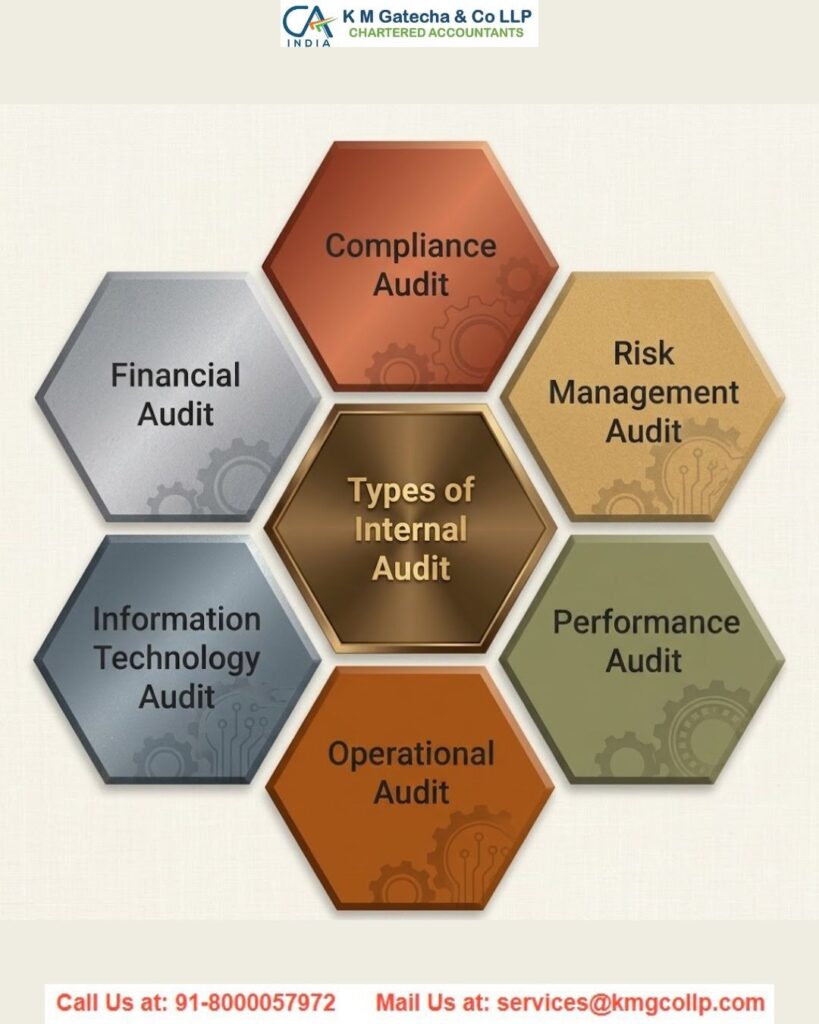
Some of the major benefits of maintaining an internal audit function include:
- Stronger internal controls
- Identification of unnecessary or redundant business processes
- Reduced risk of fraud
- Improved regulatory and procedural compliance
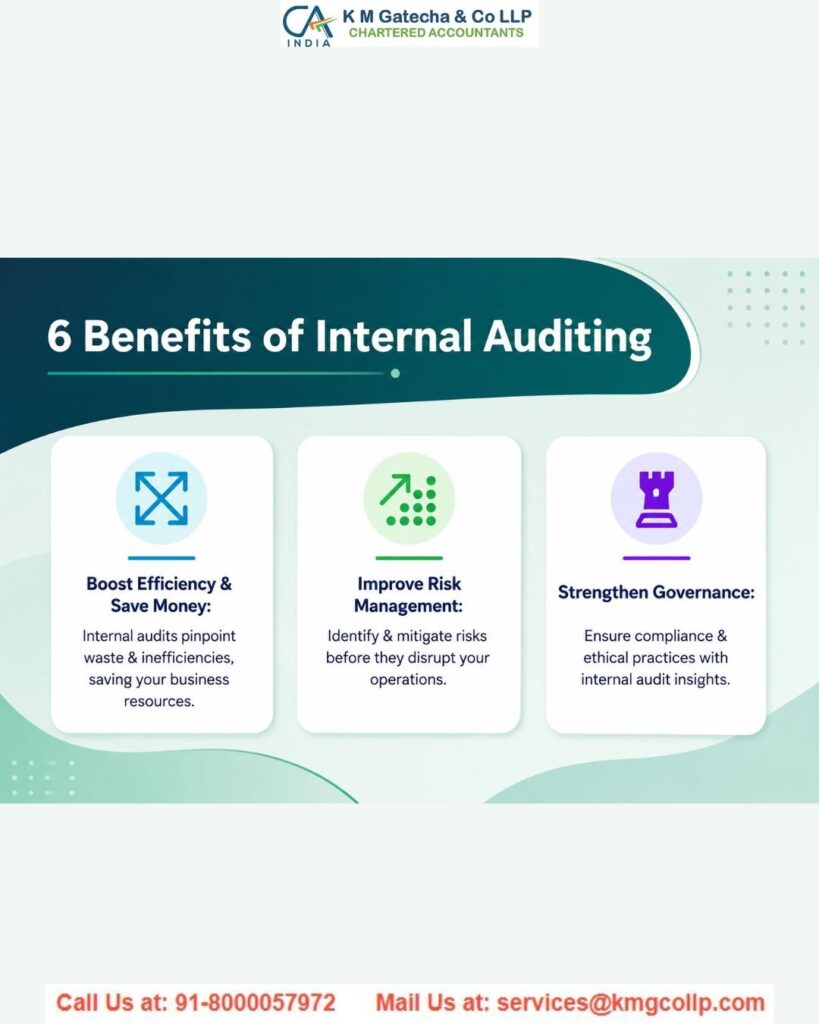
Internal audit creates value by identifying risks across the organization, improving processes and efficiency, monitoring emerging risks, and providing early warnings about potential issues.
4. Summary
Internal audit is an important component of an organization’s overall success, regardless of whether the organization is a non-profit, private company, or public company.
Even if a business does not maintain a dedicated internal audit department, it can still benefit from conducting an organization-wide risk assessment and implementing appropriate internal audit procedures. This allows businesses to strengthen controls, manage risks, improve efficiency, and gain the benefits of internal audit within their preferred timeframe and budget.
Disclaimer: The content on this website is for informational purposes only and does not constitute legal, financial, or professional advice. Please consult qualified experts before acting on any information. K M GATECHA & CO LLP accepts no liability for errors, omissions, or outcomes from the use of this content. This site is not an advertisement or solicitation.