Income Tax Notices and Scrutiny: How to Respond and Protect Your Rights
Receiving an income tax notice can be stressful, especially when you are unsure why it was issued or what you need to do next. However, getting a notice does not necessarily mean that you have done something wrong. The Income Tax Department may send notices for several reasons, including differences in reported income, missing information, incorrect claims, or routine verification.
What Is an Income Tax Notice?
An income tax notice is an official communication from the Income Tax Department asking a taxpayer to provide information, submit documents, explain a transaction, or take a specific action.
Notices may relate to:
- Income reported in the income tax return
- Tax deductions and exemptions
- Bank transactions
- TDS information
- High-value transactions
- Foreign income or assets
- Mismatches between different tax records
- Verification of information provided in the ITR
The notice should clearly mention the relevant section of the Income Tax Act, the reason for communication, and the action expected from the taxpayer.
Why Do Taxpayers Receive Income Tax Notices?
There can be several reasons for receiving a notice.
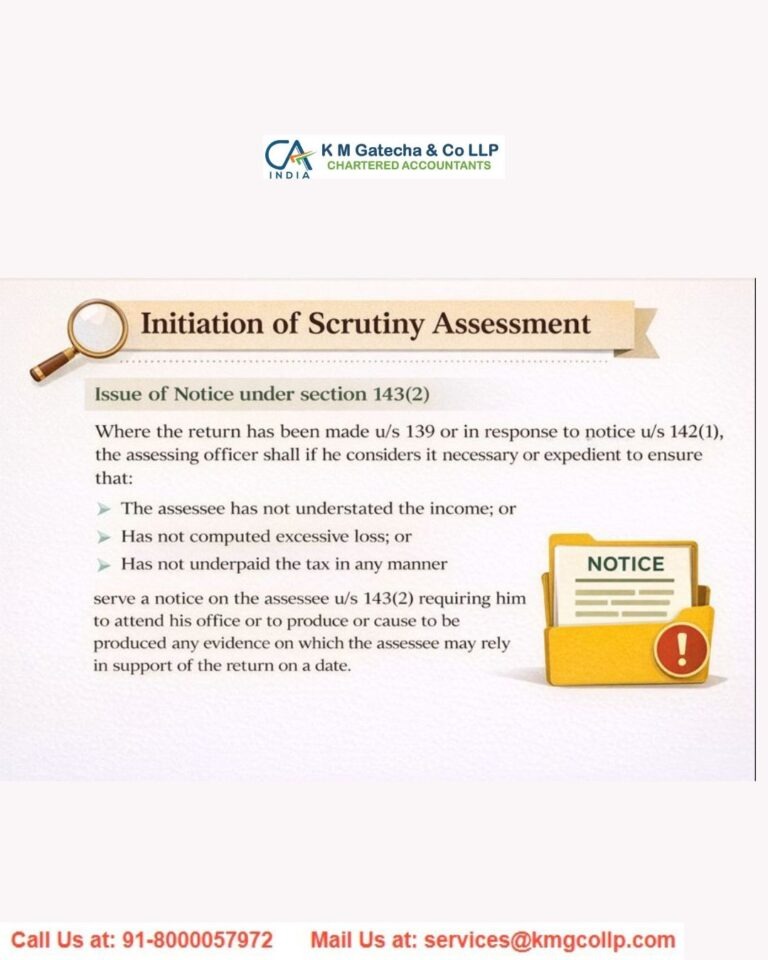
1. Difference in Income Information
A mismatch may exist between the income reported in your ITR and information available with the department, such as TDS or information reported by banks, employers, or other entities.
2. TDS Mismatch
Differences between the TDS claimed in your return and the TDS appearing in your tax records can result in a notice or clarification request.
3. Incorrect Deduction or Exemption Claim
If a deduction or exemption appears inconsistent with the available information, the department may ask you to provide supporting documents.
4. High-Value Transactions
Large transactions involving property, investments, bank deposits, securities, or other assets may be selected for verification.
5. Missing or Incorrect Information
Errors or omissions in the income tax return may also lead to further communication from the department.
6. Scrutiny Assessment
In some cases, the return may be selected for detailed examination under the applicable provisions of the Income Tax Act.
What Is Income Tax Scrutiny?
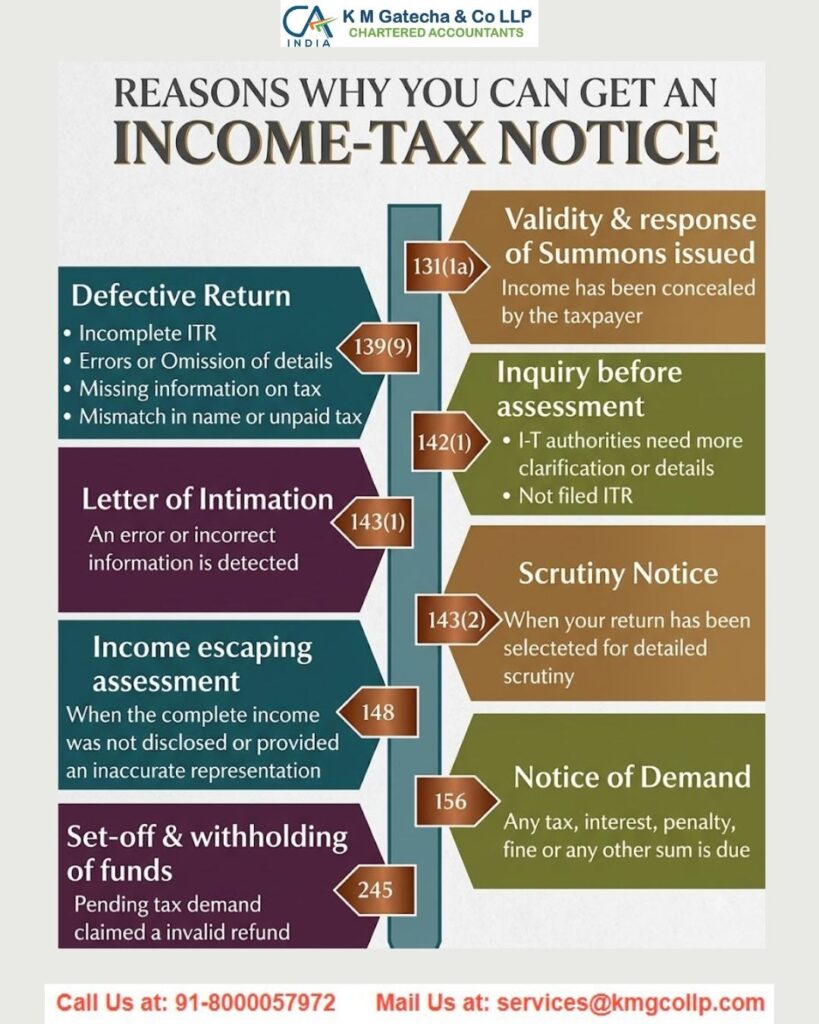
Income tax scrutiny is a detailed examination of a taxpayer’s return by the Income Tax Department.
During scrutiny, the department may verify:
- Income reported by the taxpayer
- Deductions and exemptions
- Expenses and claims
- Investments
- Bank transactions
- TDS and tax payments
- Business transactions
- Other information relevant to the assessment
Common Types of Income Tax Notices
Different sections of the Income Tax Act cover different types of notices.
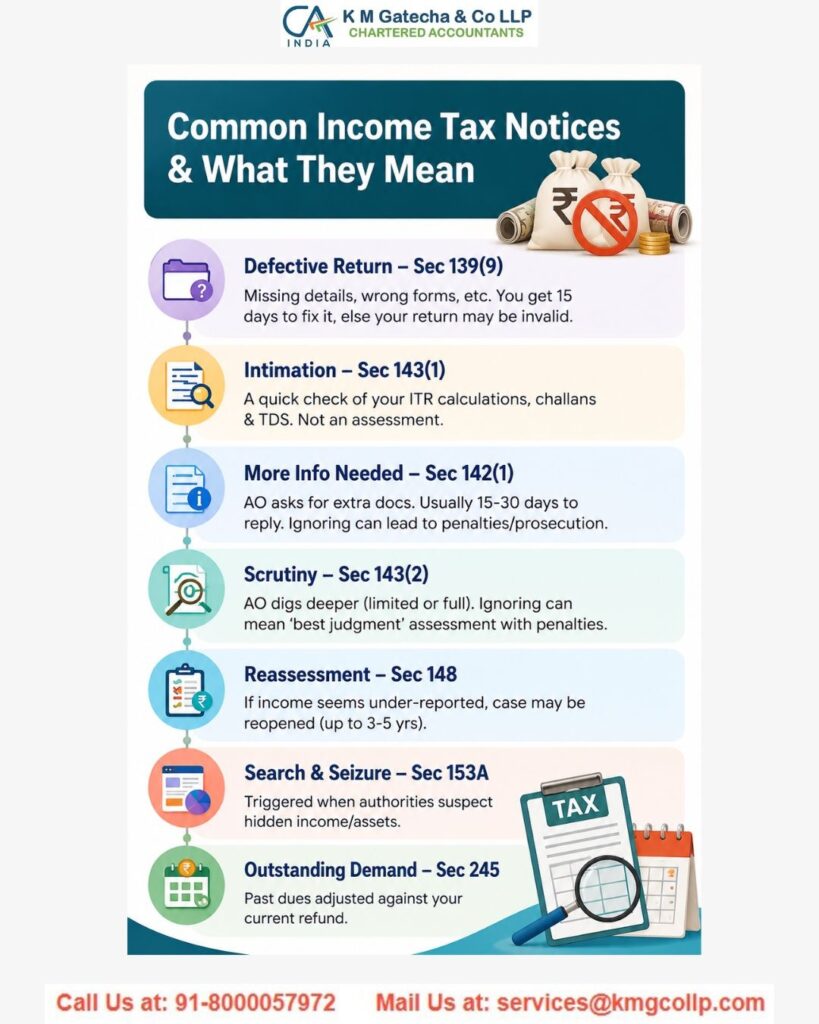
Notice Under Section 139(9)
This notice is generally issued when an income tax return is considered defective because required information is missing or incorrect.
The taxpayer is usually given an opportunity to correct the defect within the specified period.
Notice Under Section 142(1)
This notice may ask the taxpayer to provide additional information, documents, or details required for assessment.
It can be issued when the department needs clarification or supporting information regarding the return.
Notice Under Section 143(1)
This communication is generally issued after processing the income tax return. It may show:
- Tax payable
- Refund due
- Adjustments made during processing
- Other details relating to return processing
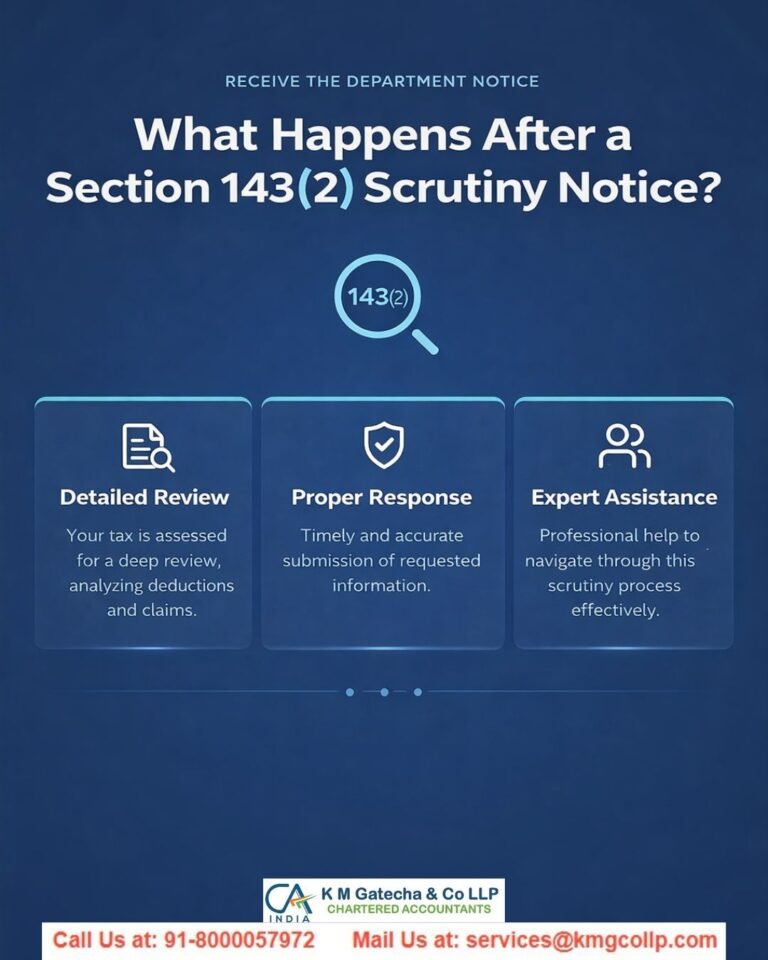
Notice Under Section 143(2)
This notice is associated with scrutiny assessment. It indicates that the return has been selected for detailed examination.
The taxpayer may need to submit documents and explanations relating to the issues identified.
Notice Under Section 148
This notice relates to reassessment proceedings where the department has information or reasons indicating that income may have escaped assessment, subject to the applicable legal requirements.
Because reassessment proceedings can have significant consequences, taxpayers should carefully review the notice and obtain professional advice where necessary.
What Should You Do After Receiving an Income Tax Notice?
Do not ignore the notice. Instead, follow a systematic approach.
Step 1: Verify the Notice
First, confirm that the communication is genuine and issued through the official income tax system.
Check:
- PAN details
- Assessment year
- Notice number
- Section mentioned
- Date of issue
- Response deadline
Step 2: Understand the Reason
Read the notice carefully and identify exactly what information or explanation has been requested.
Do not respond without understanding the issue.
Step 3: Compare the Notice With Your ITR
Review the relevant income, deductions, TDS, investments, and transactions reported in your return.
Identify whether there is actually a mismatch or error.
Step 4: Collect Supporting Documents
Depending on the issue, documents may include:
- Form 16
- Form 16A
- AIS and TIS information
- Bank statements
- Investment statements
- Property documents
- Invoices
- Expense records
- Proof of deductions
- TDS certificates
- Business books and supporting records
Step 5: Prepare a Clear Response
Your response should directly address the questions raised in the notice.
Provide factual explanations and attach relevant supporting documents where required.
Step 6: Submit the Response on Time
Make sure the response is submitted through the prescribed income tax portal or other specified method before the deadline.
Keep a copy of the submitted response and supporting documents for your records.
How to Respond to an Income Tax Notice Online
Most notices can be handled through the income tax e-filing system.
A general process is:
- Log in to your income tax e-filing account.
- Check the pending notices or proceedings.
- Open the relevant notice.
- Read the requirements carefully.
- Prepare the requested information and documents.
- Upload the response and supporting documents.
- Submit the response.
- Save the acknowledgement or submission details.
The exact process can vary depending on the type of notice and applicable procedure.
How to Protect Your Rights During Tax Scrutiny
Taxpayers have rights during assessment and scrutiny proceedings. You should understand the issue, maintain proper records, and provide relevant information without making unsupported statements.
Keep Complete Records
Maintain copies of:
- Filed ITRs
- Tax computation
- Financial statements
- Bank records
- TDS records
- Investment documents
- Invoices and receipts
- Previous tax correspondence
Respond Only to What Is Asked
Provide relevant and accurate information rather than submitting unnecessary documents or explanations.
Check the Legal Section
The section mentioned in the notice can help you understand the nature of the proceedings and your obligations.
Maintain Proof of Communication
Keep copies of all responses, attachments, acknowledgements, and communications exchanged with the department.
Seek Professional Assistance When Necessary
Complex scrutiny, reassessment, large tax demands, international transactions, or disputed additions may require assistance from a chartered accountant or tax professional.
What Happens If You Ignore an Income Tax Notice?
Ignoring a notice can create additional problems. Depending on the type of proceeding, failure to respond may result in further action by the department, including an assessment based on available information or other consequences prescribed under tax law.
Therefore, taxpayers should never assume that an income tax notice can simply be ignored.
What If You Made a Genuine Mistake?
If you discover that the information filed in your ITR was incorrect, do not hide the mistake.
Review the applicable provisions and determine whether the error can be corrected through an updated return, revised return, rectification request, or another available procedure.
The appropriate option depends on the type of error and the applicable time limits.
Can You Challenge an Income Tax Order?
Yes, taxpayers may have legal remedies against certain income tax orders.
Depending on the circumstances, a taxpayer may be able to:
- File a response
- Request rectification
- File an appeal
- Submit additional evidence where permitted
- Seek professional or legal assistance
The available remedy depends on the type of order, the relevant provision, and the applicable limitation period.
Tips to Avoid Income Tax Notices
While not every notice can be avoided, maintaining accurate tax records can reduce the possibility of unnecessary issues.
Follow these practices:
- Report all taxable income correctly
- Match income with TDS information
- Review AIS and TIS before filing
- Claim only eligible deductions
- Maintain supporting documents
- Report high-value transactions correctly
- File returns within the prescribed time
- Keep financial records organized
Final Thoughts
Receiving an income tax notice does not automatically mean that you have violated tax laws. Many notices are issued to verify information, resolve mismatches, or obtain additional documents.
Disclaimer: The content on this website is for informational purposes only and does not constitute legal, financial, or professional advice. Please consult qualified experts before acting on any information. K M GATECHA & CO LLP accepts no liability for errors, omissions, or outcomes from the use of this content. This site is not an advertisement or solicitation.