

How to File a Revised ITR After Submission
Key Takeaways
Mistakes can occur while filing an Income Tax Return (ITR), whether you report incorrect income, select the wrong ITR form, overlook eligible deductions, or enter inaccurate information. Fortunately, taxpayers can correct eligible errors by filing a revised return within the prescribed time limit.
A revised ITR allows you to correct omissions or incorrect statements in your original return without starting the filing process from scratch. Whether you need to update income details, correct a deduction claim, or disclose information you missed earlier, revising your return helps keep your tax records accurate.
This guide explains what a revised ITR is, when you can file one, and the key considerations to remember before submitting your revised return.
Update: Income-tax Act, 2025
The Income-tax Act, 2025 came into effect on April 1, 2026. Under the new Act, the provisions governing income tax returns, including revised returns, are consolidated under Section 263. Specifically, Section 263(5) deals with revised returns.
However, returns relating to Financial Year (FY) 2025–26, corresponding to Assessment Year (AY) 2026–27, continue to be governed by the Income-tax Act, 1961. Therefore, Section 139(5) remains relevant when revising an ITR for FY 2025–26.
For AY 2026–27, the revised-return deadline has been extended to March 31, 2027, or completion of the assessment, whichever occurs earlier, subject to applicable provisions. An additional fee may apply to revised returns filed after December 31, 2026. Always verify the applicable deadline and fee requirements on the official Income Tax Department portal.
What Is a Revised Return?
A revised return is an Income Tax Return filed to correct an omission or an incorrect statement in a previously submitted return. Under Section 139(5) of the Income-tax Act, 1961, eligible taxpayers can revise their original or belated return within the prescribed time limit and subject to the applicable conditions.
If you discover an error after submitting your ITR, you may be able to correct it by filing a revised return. Once successfully filed and processed as applicable, the revised return supersedes the earlier return for the information it corrects.
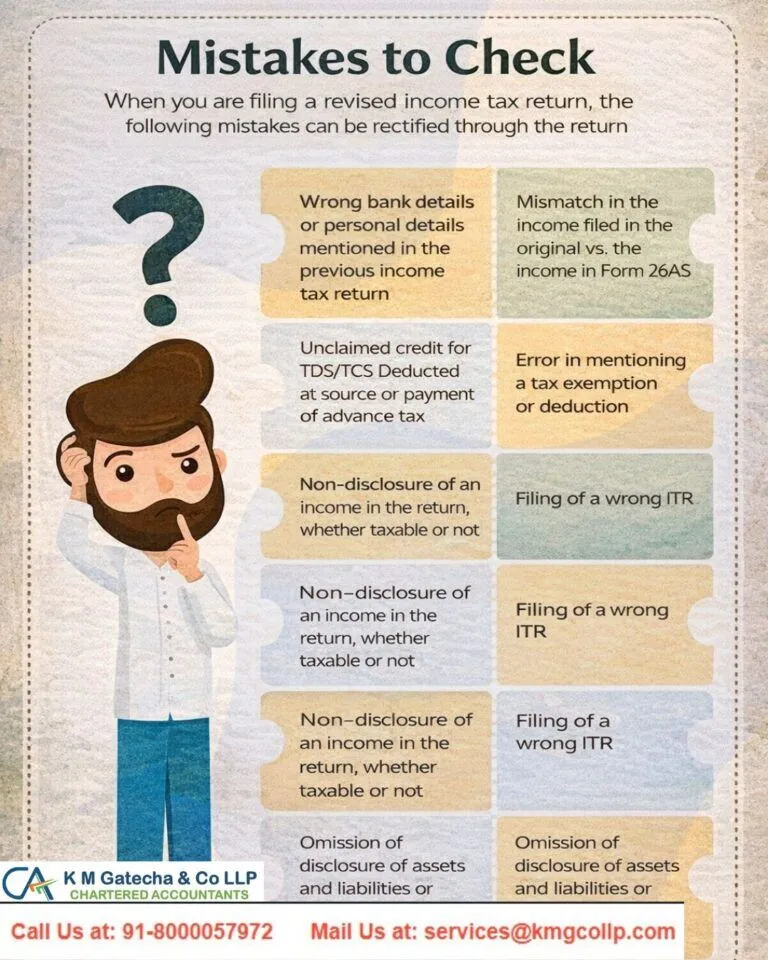
A revised ITR can be used to correct several types of errors, including:
- Incorrect income reporting: Correcting income that was omitted, understated, or overstated.
- Missed or excessive deductions: Adding eligible deductions or correcting deductions claimed incorrectly.
- Incorrect exemptions: Updating exemption claims that were reported inaccurately.
- Calculation errors: Correcting mathematical mistakes or errors in tax computations.
- Incomplete disclosures: Providing information that was omitted from the original return but is required to be reported.
- Incorrect ITR form selection: Filing the appropriate return form where the original form was incorrect and the applicable rules permit revision.
- Incorrect refund claims: Correcting return details where an error resulted in a lower refund than the taxpayer was eligible to claim.
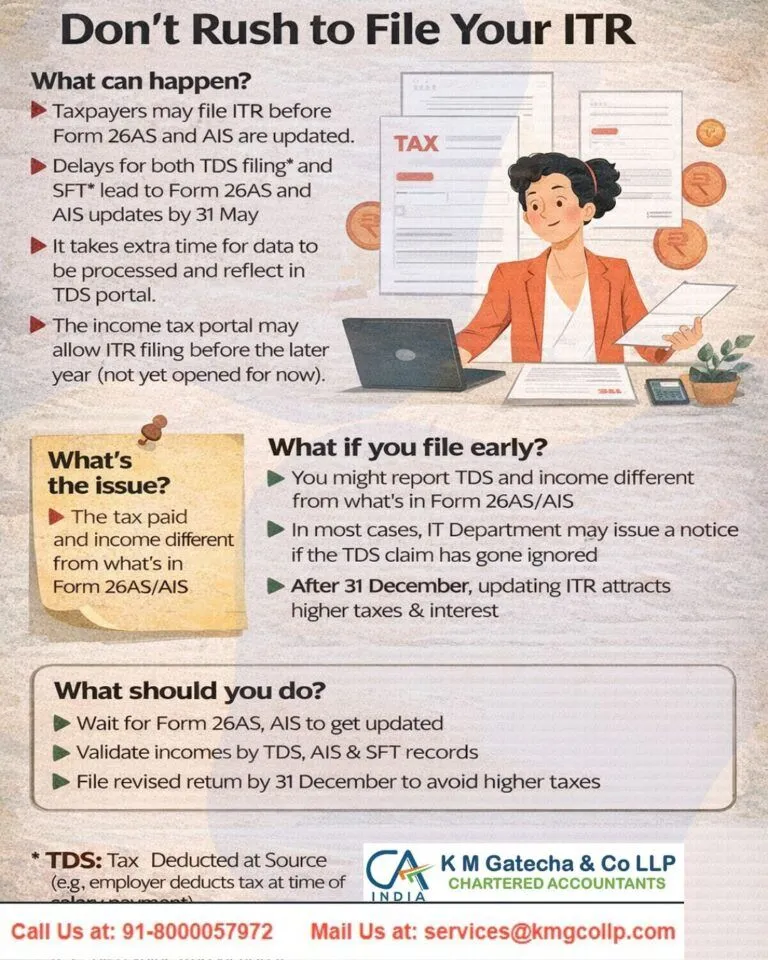
Before filing a revised return, review your income records, tax credits, deductions, and other disclosures carefully. Ensure that you use the correct ITR form and submit the revised return within the applicable deadline.
How to File a Revised ITR: A Complete Guide
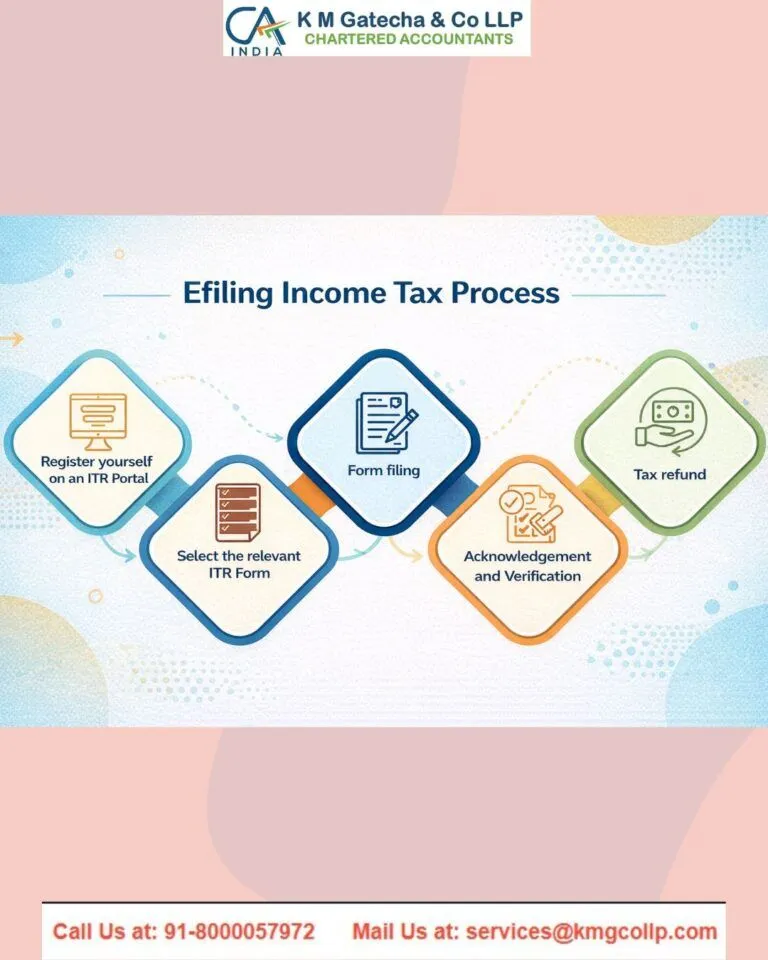
If you discover an error after submitting your Income Tax Return (ITR), you may be able to correct it by filing a revised return within the prescribed deadline. Follow these steps to revise your ITR through the Income Tax Department’s e-filing portal.
Step 1: Log In to the Income Tax e-Filing Portal
Visit the official Income Tax Department e-Filing portal and log in using your PAN or user ID and password. Before proceeding, confirm that your original ITR has been successfully submitted and check its filing status.
Step 2: Select the Revised Return Option
Navigate to the Income Tax Return filing section and select the option to file a revised return. Choose the relevant assessment year for which you want to make corrections.
For returns governed by the Income-tax Act, 1961, the revised return provision is Section 139(5). For returns governed by the Income-tax Act, 2025, the corresponding provision is Section 263(5). Select the applicable option based on the assessment year and the instructions displayed on the portal.
Step 3: Enter the Original Return Details
Provide the required information about your original return, including its acknowledgement number and filing date, where requested. These details help link the revised return to your previously submitted ITR.
Ensure that the information matches the acknowledgement issued when you filed the original return.
Step 4: Correct the Errors in Your ITR
Review your original return carefully and update the details that require correction. Depending on your circumstances, you may need to revise:
- Income from salary, house property, business, or other sources.
- Eligible deductions and exemptions.
- Tax deducted at source (TDS), advance tax, or other tax credits.
- Bank account details and personal information.
- Capital gains, interest income, or other required disclosures.
Check the updated calculations and supporting records to ensure that all information is accurate and complete.
Step 5: Review and Submit the Revised Return
Before submitting the revised ITR, verify the updated details, tax calculations, and refund or tax payable amount. Confirm that you have selected the appropriate ITR form and assessment year.
Submit the revised return through the portal and complete the required verification process. E-verification or submission of the prescribed verification document must generally be completed within 30 days of filing, subject to the applicable rules.
After verification, save the acknowledgement and monitor the return status on the e-filing portal to confirm that the filing has been received and processed.
Things You Must Know While Filing a Revised ITR
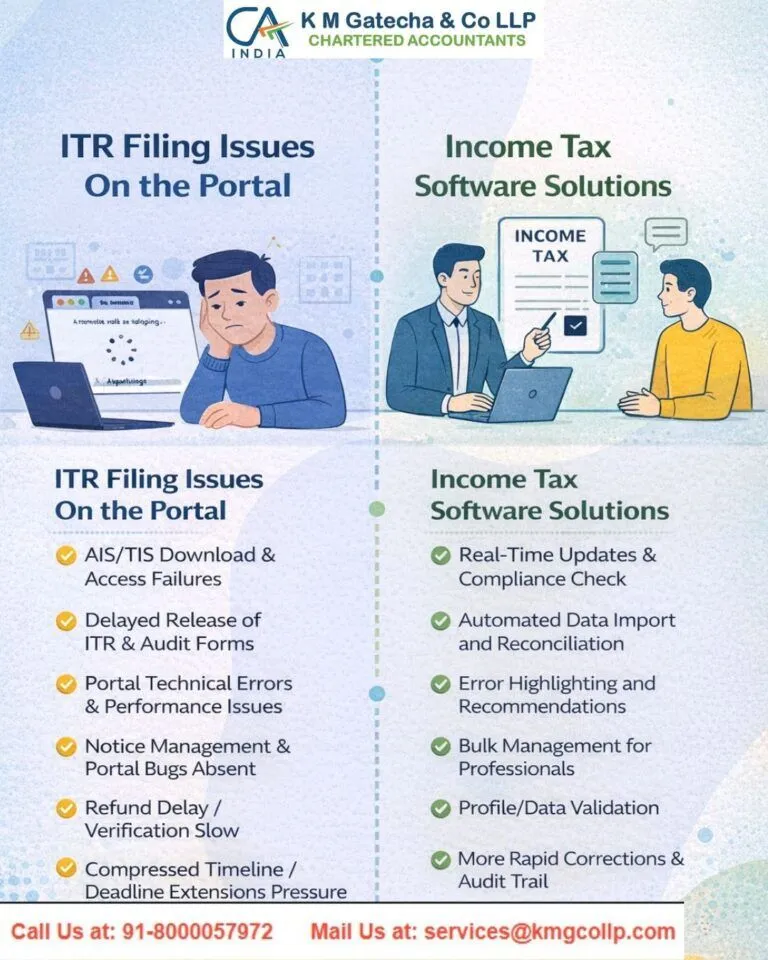
Before filing a revised Income Tax Return, it is important to understand the applicable rules, deadlines, and limitations. Keep the following points in mind:
- A revised return supersedes the original return: Once a revised ITR is validly filed, it replaces the original return for the information being revised.
- You can revise your return after receiving a refund: Receiving an income tax refund does not automatically prevent you from filing a revised return, provided you remain eligible and meet the applicable deadline.
- You may correct the ITR form: If you selected the wrong ITR form originally, you may be able to file a revised return using the appropriate form, subject to the applicable rules.
- Multiple revisions may be permitted: You can generally file more than one revised return within the prescribed time limit. Each subsequent revision should include all necessary corrections to the return.
- Assessment proceedings may affect eligibility: Under the applicable provisions, a revised return cannot be filed after the relevant assessment has been completed. Check the specific rules governing your assessment year and the status of your assessment proceedings.
- No separate penalty applies solely for revising a return: Filing a revised return to correct an error does not, by itself, attract a separate penalty. However, additional tax, interest, fees, or penalties may apply depending on the circumstances, including any underreported income.
- Check the applicable filing deadline: The revised-return deadline depends on the assessment year and the legislation governing the return. For returns governed by Section 139(5) of the Income-tax Act, 1961, the general deadline was three months before the end of the relevant assessment year or completion of the assessment, whichever occurred earlier, subject to applicable extensions. For AY 2026–27, the revised-return deadline has been extended to March 31, 2027, or completion of the assessment, whichever occurs earlier, subject to the applicable provisions. Additional fees may apply to revisions filed after December 31, 2026.
- Belated returns may also be revised: A return filed after the original due date can generally be revised if it meets the applicable conditions and is revised within the permitted period. Any applicable late filing fee or other liability is not automatically waived by filing a revised return.
Over to You
Filing a revised ITR gives eligible taxpayers an opportunity to correct errors and omissions in a previously submitted return. Although reviewing your return carefully before submission can help prevent mistakes, errors discovered later may still be corrected through the appropriate procedure within the prescribed deadline.
To make the process smoother, keep your income statements, bank records, tax credit details, and supporting documents organised throughout the financial year. Before filing a revised return, verify the applicable deadline and ensure that you select the correct filing option for your assessment year.
Digital financial tools, including those offered through us, may also help you manage your finances and maintain better financial records. Staying organised can make it easier to review your tax information and prepare an accurate income tax return.
Disclaimer: The content on this website is for informational purposes only and does not constitute legal, financial, or professional advice. Please consult qualified experts before acting on any information. K M GATECHA & CO LLP accepts no liability for errors, omissions, or outcomes from the use of this content. This site is not an advertisement or solicitation.


