

What are the main types of outsourced finance and accounting services?
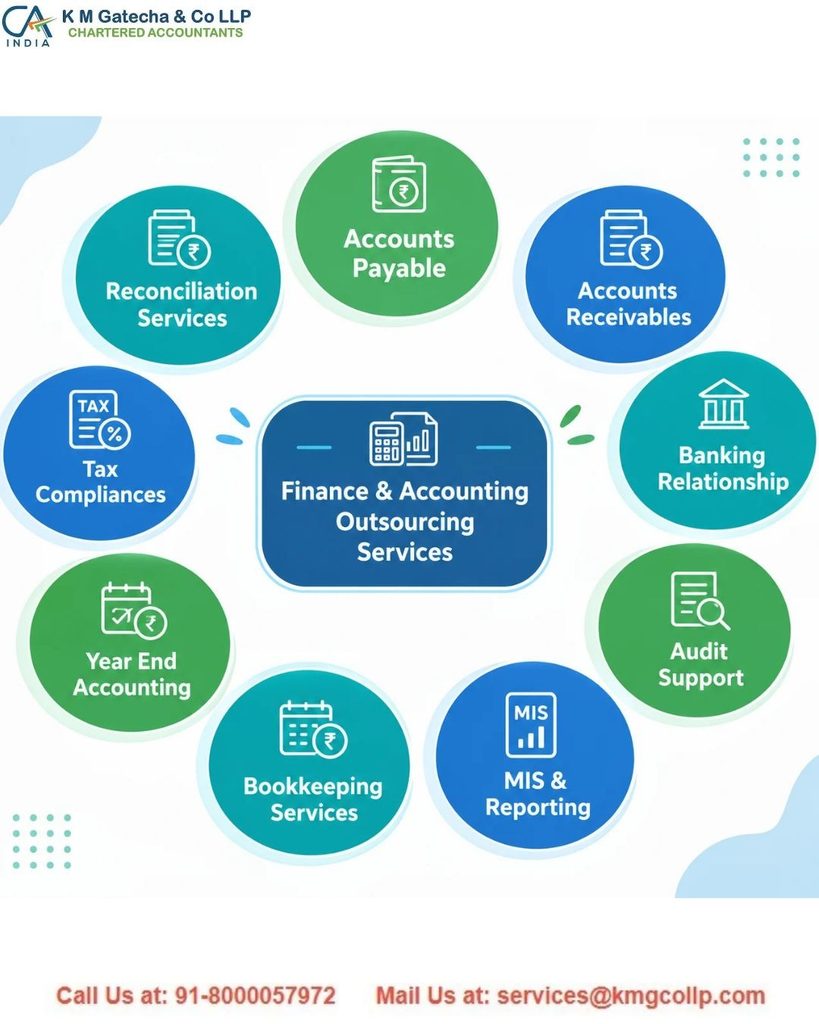
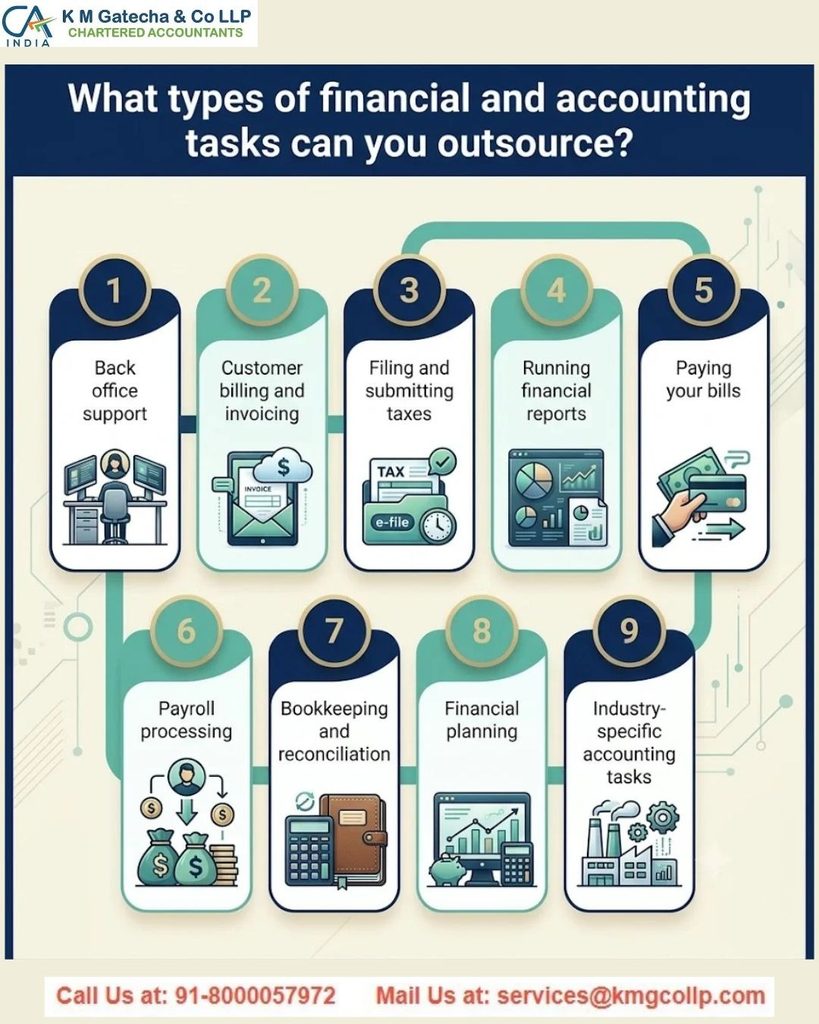
Outsourced finance and accounting services include financial tasks that businesses delegate to external service providers, ranging from bookkeeping and payroll management to taxation, auditing, and financial analysis.
- Businesses can access professional financial expertise without employing a complete in-house finance team.
- This helps reduce staffing and operational expenses while maintaining accurate financial records.
- For instance, an outsourcing provider can manage payroll, handle tax filings, and identify potential financial risks through a single service arrangement.
Finance is currently one of the rapidly expanding segments of the outsourcing industry. From independent accountants to specialized tax professionals, there is a growing demand for experts who can support businesses with their financial responsibilities.
As the industry continues to expand, more companies are turning to established service providers such as Catalyst BPX to outsource various financial functions. For a broader understanding of the subject, explore this complete guide to financial services outsourcing.
Types of Outsourced Finance and Accounting Services for Your Business
The following are some of the finance and accounting functions that businesses can delegate to a reliable external service provider.
Bookkeeping
Bookkeeping is one of the fundamental financial activities of a business. It involves recording and tracking a company’s income and expenses, helping establish a clear picture of its financial position.
An external provider manages these financial records, giving businesses reliable information to support informed and practical decision-making. To understand how bookkeeping differs from accounting, refer to this guide on bookkeeping versus accounting.
Management Accounting
Management accounting involves overseeing and analyzing the following areas:
- Business assets.
- Clients’ internal business operations.
- Profit and loss reports prepared according to the company’s budget.
- Key performance indicators (KPIs) and other business performance metrics.
- Cash flow forecasts.
- Revenue projections.
While managing this information, your service provider takes a broader view of the company’s financial performance. This helps monitor how effectively the management team is progressing toward its financial objectives.
Tax Accounting
Tax accounting involves preparing income tax returns and managing the necessary tax payments. It takes into account the company’s industry and the tax regulations applicable in its location.
Your service provider monitors tax payments and stays informed about relevant tax laws. This helps identify taxes or payments that the business may not be required to pay.
Accounting Audit
Accounting audits involve examining a company’s receipts, financial records, and statements. They help maintain transparency and accountability while supporting sound business practices and compliance with applicable laws.
Trusted third-party providers such as ConnectOS carefully examine financial information to help identify and prevent fraud, misconduct, or corruption, regardless of the size of the business.
Forensic Accounting
External service providers may also offer forensic accounting. Forensic accountants examine inconsistencies and gaps in financial records to identify potential signs of fraud or tax evasion.
When suspicious activity is discovered, forensic accounting can provide important evidence to support law enforcement investigations into financial wrongdoing.
Financial Controller Services
Financial controller services involve working with bookkeepers and business owners to prepare and finalize monthly financial reports. These services manage financial information that supports important business decisions, including hiring and client management.
As a result, businesses gain a clearer understanding of their financial condition at any given time. You can also learn more about the duties of a financial controller.
Financial Analysis
Financial analysis services generally include:
- Analyzing data related to product costing.
- Assessing business profitability.
- Reviewing credit transactions and rebills.
- Examining sales contracts to understand their effects on accounting policies.
To carry out these tasks, your service provider uses the company’s financial statements as the foundation for analysis.
Payroll Services
Many outsourcing providers also manage payroll operations for businesses. These services involve calculating employee payments for each pay cycle and handling on-demand, month-end, and year-end payroll requirements.
Your provider needs to understand your company’s payroll policies and procedures to ensure employees are paid accurately, fairly, and on time. The benefits of outsourcing payroll also include reducing administrative workloads and minimizing payroll errors.
Statutory Reporting and Compliance
This service helps ensure that your company follows applicable local regulations and international accounting standards, including:
- Preparation of all required tax reports.
- Compliance with payroll processing requirements.
- Financial consolidation.
- Compliance with Generally Accepted Accounting Principles (GAAP) or International Financial Reporting Standards (IFRS).
Your service provider maintains important financial information that reflects the stability of your business. This can help make your company more attractive to potential investors.
Reasons to Outsource Finance
Are you still considering whether to outsource your finance-related tasks? There are several benefits worth exploring.
The following points explain why businesses outsource their internal functions, including financial operations. For more information about the right timing, read this guide on when and why to outsource accounting.
Better Workload Delegation
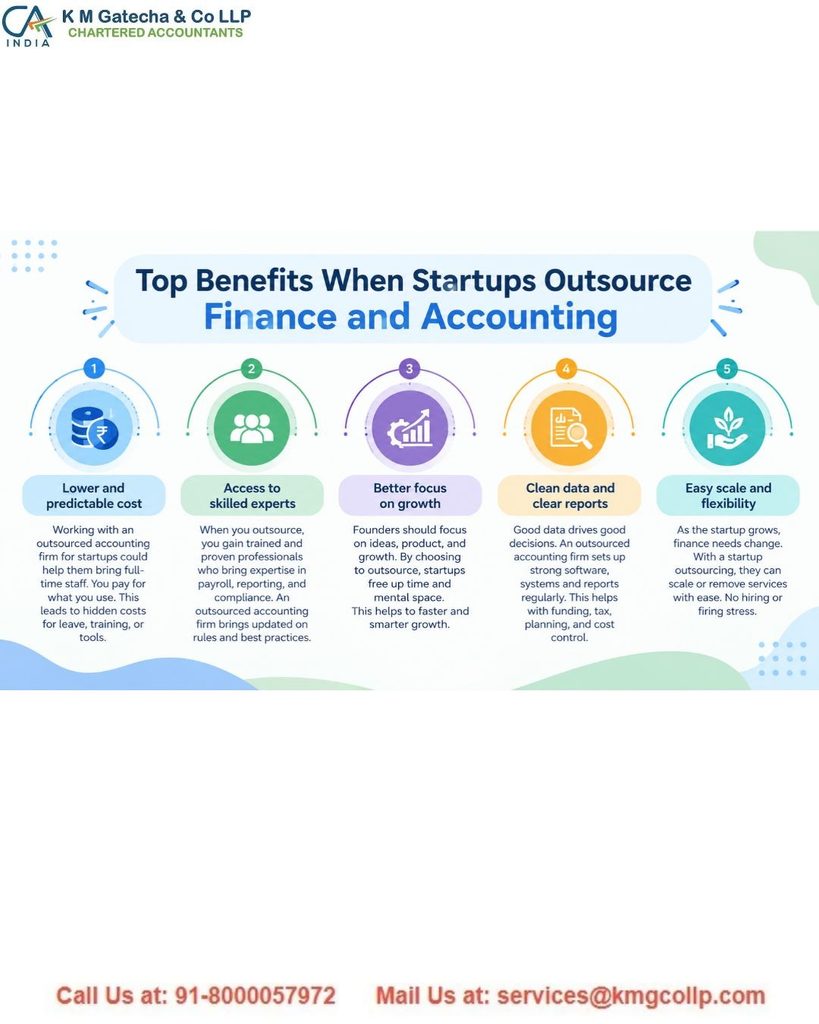
Working with outsourcing providers helps reduce the workload of your internal team. Distributing tasks between in-house employees and outsourced professionals allows everyone to work more efficiently. This can reduce the need for overtime while helping projects and deadlines stay on track or be completed earlier.
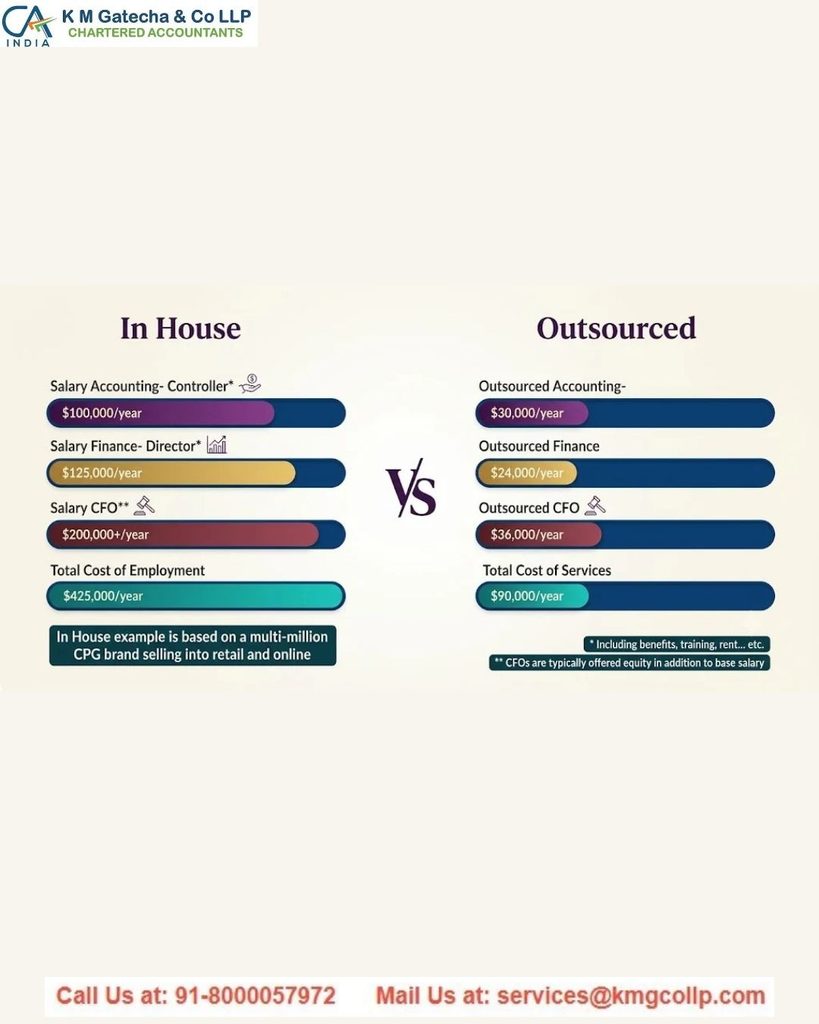
Lower Labor Costs
Business process outsourcing (BPO) companies frequently establish operations in emerging economies. Countries such as the Philippines, Mexico, and India have become major BPO destinations.
One reason for this is that labor costs in these countries are generally lower than in developed economies, while professionals can still deliver high-quality work. Although several factors contribute to these cost differences, lower labor expenses do not necessarily indicate a lower standard of living for the workforce.
Faster Delivery of Outcomes
Having additional professionals available can help businesses complete tasks and projects on schedule. A combination of in-house employees and a distributed workforce can accelerate project completion and reduce pressure on internal teams. This approach can also improve overall operational efficiency at a comparatively lower cost.
Lower Overhead Expenses
You might assume that adding more team members requires additional desks, computers, chairs, and other office resources. However, outsourcing allows you to expand your department without increasing your physical office space. This helps minimize overhead expenses.
Although outsourcing requires an initial investment, it can deliver long-term financial benefits.
Regular Monitoring of Accounting Rules
Finance and accounting functions require continuous monitoring to stay updated with changing regulations and standards. Keeping track of these changes demands considerable time, effort, and resources. Outsourcing helps ensure that essential accounting activities receive ongoing attention.
Strategic Redeployment of Staff
Limited staffing can place significant pressure on accounting teams that manage large volumes of financial data. Outsourcing routine tasks reduces their workload, allowing internal employees to devote more time to essential financial activities.
Access to Accounting and Finance Experts
Maintaining a complete in-house accounting team can be expensive for small businesses and startups. Outsourcing provides access to experienced finance and accounting professionals without the need to employ an entire team internally.
Reduced Pressure During Economic Challenges
Adapting to changing economic conditions can be difficult and resource-intensive for businesses. Outsourcing finance and accounting functions can help reduce this pressure and make it easier to manage such changes.
Improved Flexibility and Scalability
Flexibility and scalability are among the key advantages of outsourcing finance and accounting services. Businesses can benefit from customized service arrangements that match their specific requirements and allow them to adjust support as their needs evolve.
Secure Management and Storage of Financial Data
Reputable finance and accounting service providers follow established standards and implement internal controls to protect and securely manage your financial information.
Access to a 24/7 External Service Provider
Working with an external service provider can offer a time zone advantage, as operations can continue around the clock. This helps ensure that accounting tasks are completed and financial schedules are maintained on time.
Disclaimer: The content on this website is for informational purposes only and does not constitute legal, financial, or professional advice. Please consult qualified experts before acting on any information. K M GATECHA & CO LLP accepts no liability for errors, omissions, or outcomes from the use of this content. This site is not an advertisement or solicitation.

