

Key Takeaways
-
- CA services for startups help maintain accurate monthly accounts, manage GST, TDS, income tax, payroll, and ROC compliance, and ensure businesses are prepared for investors.
-
- A CA-managed service model with a real-time dashboard helps reduce penalty risks, improve MIS, and track the status of filings and pending tasks.
-
- Virtual CA services, such as Virtual Accounting, combine professional expertise with a centralised platform for financial records and compliance.
-
- Choose services according to your startup’s stage, from incorporation and fundraising to annual financial closing, while maintaining a consistent monthly closing process.
-
- The return on investment comes from avoiding penalties, completing financial closes faster, maintaining organised due diligence records, and potentially reducing costs compared with an in-house team.
-
- Begin with a clear 90-day onboarding plan, establish GST and TDS trackers, and standardise ledgers to ensure reliable MIS reporting.
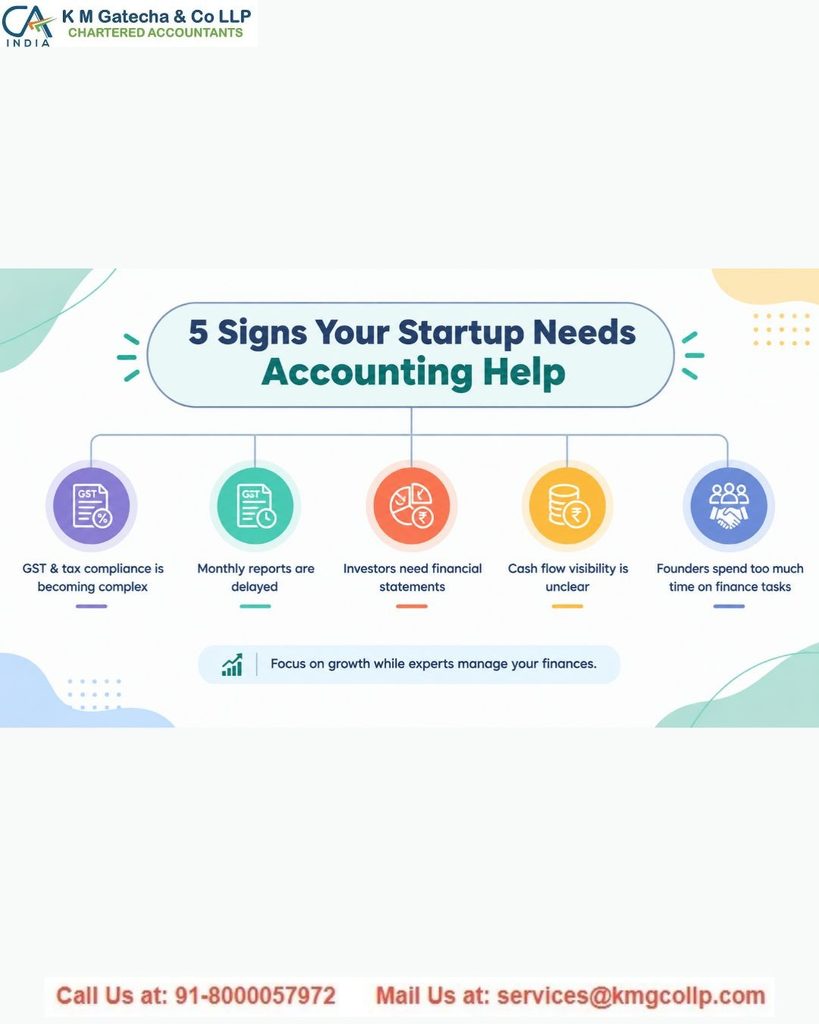
Introduction: CA Services for Startups and Why They Matter Now
CA services for startups help businesses maintain accurate financial records, file taxes on time, and remain prepared for investor scrutiny. In India, GST, TDS, income tax, and ROC regulations require careful compliance, and mistakes can quickly become costly. Late fees, interest, missed input tax credits, and disorganised ledgers can hinder business growth for months.
A CA-managed service model helps address these challenges. A qualified team handles essential compliance responsibilities, while a dashboard provides real-time visibility into financial data, filings, and pending tasks in one place. Our Virtual Accounting follows this approach by combining CA-led execution with an intelligent dashboard, allowing you to track completed tasks and upcoming deadlines.
Accurate financial records today can make fundraising easier tomorrow because investors value figures they can verify and trace.

CA Services for Startups: A Practical Overview
At their core, startup-focused CA services cover bookkeeping, GST, TDS, income tax, payroll, and ROC compliance under Indian law. The objective is straightforward: maintain accurate records every month, prevent penalties, and provide founders and finance teams with a reliable source of financial information.
A modern approach involves a CA-led team managing the entire process and providing a dashboard for complete visibility. You can monitor revenue, expenses, profit and loss, cash flow, burn rate, runway, and recent transactions. You can also track GST, TDS, and income tax returns and filings, along with reviewing documents, bank analysis, and notes from your CA in one place.
This model works equally well for freelancers, early-stage businesses, and growing teams. It replaces scattered email conversations and Excel spreadsheets with an organized workflow and transparent status updates. Explore examples in this guide.
Why CA Services for Startups Matter
When startups manage accounting themselves or coordinate with multiple vendors, important tasks can be overlooked. Common risks include GST late fees of up to ten thousand rupees per return, interest on delayed TDS payments, and financial losses caused by poor reconciliations. Inaccurate or incomplete ledgers can also create problems during investor due diligence.
Virtual CA services help minimize these risks. The CA team manages monthly tasks according to a defined schedule, while the dashboard displays completed and pending filings with dates and links. Founders also receive a clear roadmap covering everything from incorporation to business growth. This means fewer follow-ups, fewer missed deadlines, and more reliable data for decision-making. Compare virtual and traditional approaches here: virtual accounting vs traditional CA.

Comprehensive CA Services from Start to Finish
Accounting and Bookkeeping for Startups
-
- Monthly bookkeeping for sales, purchases, expenses, and bank transactions
-
- Ledger review and correction of incorrect codes and duplicate entries
-
- Year-end account closing and preparation of schedules for auditors
-
- Fixed asset register maintenance and depreciation updates
-
- Inventory record management and reconciliation for businesses holding stock
-
- Tracking of accounts receivable and accounts payable
-
- Reconciliation of bank accounts and payment gateways
-
- Cash flow reports and MIS covering profit and loss, balance sheets, and cash flow
GST Compliance for Startups
-
- GST registration when mandatory, or voluntary registration to claim input tax credit
-
- Monthly or quarterly filing of GSTR-1 and GSTR-3B returns
-
- Preparation of annual GSTR-9 and GSTR-9C
-
- E-invoicing setup wherever applicable
-
- Guidance on place of supply, reverse charge, HSN codes, and applicable tax rates
-
- Input tax credit reconciliation to identify mismatches at an early stage
Income Tax and TDS Services for Startups
-
- Income tax return filing for individuals, partnerships, and companies
-
- TDS guidance and monthly challan payments
-
- Quarterly TDS return filing, including 24Q, 26Q, and 27Q, along with property and rent-related forms such as 26QB, 26QC, and 26QD
-
- Advance tax calculations and payments
-
- Support with tax audit preparation as a non-attest service
-
- International tax guidance and preparation of Form 15CA
Payroll Services for Startups
-
- Monthly TDS calculations on employee salaries
-
- Tax-efficient salary structuring for employees
-
- Assistance with PF, ESI, and Professional Tax wherever applicable
ROC and Secretarial Compliance for Small Companies
-
- Annual filings, including MGT-7 and AOC-4
-
- DIR-3 KYC compliance
-
- Appointment and resignation of directors
-
- MSME filings for vendors through the MCA
-
- Share capital increases and share allotments
-
- Assistance with board meetings, minutes, AGMs, statutory registers, board reports, and annual reports
Note: This scope applies to small companies as commonly defined in practice, with paid-up capital of up to four crore and turnover of up to forty crore, provided they are not holding or subsidiary companies. Confirm your company’s status with your CA. For specific ROC requirements, refer to this primer, ROC filing guide.
Coordination with Statutory Auditors
-
- Non-attest assistance with reconciliations and schedules
-
- Ensuring your statutory auditor receives the required information on time
Startup Lifecycle: When You Need Different CA Services
Pre-Incorporation and Incorporation
-
- Selecting the appropriate entity structure, such as a private limited company or LLP
-
- Obtaining PAN and TAN
-
- Preparing for GST compliance
-
- Completing MSME registration if beneficial
Early Operations: Zero to Twelve Months
-
- Monthly bookkeeping and reconciliations
-
- GST and TDS compliance
-
- Payroll setup and payslip preparation
-
- Basic MIS reporting for burn rate and runway
Growth Stage
-
- Detailed MIS reporting covering cash flow, burn rate, and runway
-
- Managing multiple GSTINs as the business expands
-
- Implementing e-invoicing when applicable thresholds are reached
-
- Managing vendor and customer reconciliations at scale
-
- Assistance with foreign receipts and payments
Fundraising and Due Diligence
-
- Maintaining accurate ledgers and supporting schedules
-
- Providing proof of compliance status for GST, TDS, income tax, and ROC
-
- Keeping board minutes and statutory registers ready for review
Annual Closing
-
- Non-attest audit preparation with year-end schedules
-
- Completing ROC filings after the financial statements are approved
Compliance Calendar for Startups in India
Missing deadlines can lead to financial losses. A live dashboard with alerts makes compliance management easier by helping you track important dates.
-
- GST
File GSTR-1 and GSTR-3B monthly or quarterly, depending on your scheme. Common due dates are the eleventh and twenty-second of the following month. File annual GSTR-9 by December thirty-one and check whether e-invoicing applies to B2B sales once the relevant thresholds are crossed.
- GST
-
- TDS
Pay monthly challans by the seventh of the following month. Quarterly returns are due by July thirty-one, October thirty-one, January thirty-one, and May thirty-one.
- TDS
-
- Income Tax
Pay advance tax by June fifteen, September fifteen, December fifteen, and March fifteen. For non-audit cases, file income tax returns by July thirty-one unless the deadline is extended.
- Income Tax
-
- ROC and MCA
For many companies, MGT-7 and AOC-4 are due around October thirty. Complete DIR-3 KYC by April thirty and submit event-based filings for director changes and share allotments.
- ROC and MCA
-
- MSME
Update vendor details on the Udyam portal wherever relevant.
- MSME
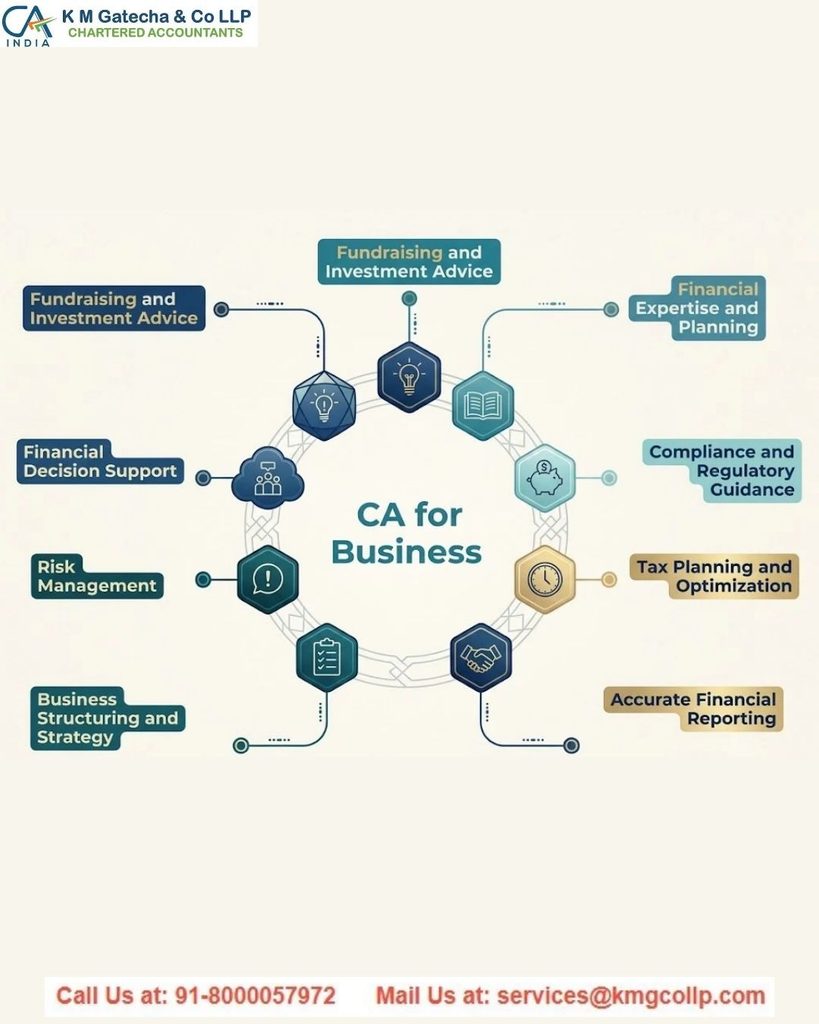
Virtual CA Services vs. the Traditional Model
Virtual CA services operate on two levels: a CA-led team manages the work, while a centralized dashboard provides real-time updates. This differs from the traditional approach of tracking tasks through emails and Excel spreadsheets. See the comparison here: virtual accounting vs traditional.
An effective dashboard provides:
-
- A financial overview of revenue, expenses, profit and loss, and account balances
-
- Category-wise breakdowns to understand cash spending
-
- Cash flow trends, burn rate, and runway indicators
-
- AI-generated insights and alerts highlighting unusual spikes and potential risks
-
- Recent transactions and bank statement analysis
-
- A document repository for invoices and working papers
-
- Compliance status indicators showing filed or pending returns, with direct links
-
- A centralized space to communicate with your CA team
This model helps reduce follow-ups, speed up monthly closing, minimize the risk of missed deadlines, and keep data ready for investors. Our Virtual Accounting follows this approach for freelancers, startups, and growing businesses.
Value and ROI of CA Services for Startups
The cost comparison is straightforward. Virtual CA services often cost less than hiring an in-house team or distributing tasks among multiple vendors. Monthly retainers may range from fifty thousand to two lakh rupees, whereas an in-house team can cost ten lakh rupees or more annually when salaries, tools, and overheads are included.
Avoiding penalties delivers tangible value
GST interest can reach eighteen percent, along with fees; TDS delays can incur interest of one point five percent per month, while accounting cleanup takes time away from business growth.
Accurate MIS reports support better spending and hiring decisions, speed up audits and due diligence, and allow smooth scaling when payment gateways and marketplaces are integrated.
Pricing and Scope of CA Services for Startups
The cost of CA services depends on your business requirements. Key factors influencing pricing include:
-
- Monthly transaction volume
-
- Number of bank accounts and payment gateways
-
- Number of GSTINs
-
- Employee headcount and payroll size
-
- Number of entities within your group
-
- International transactions, including foreign receipts and payments
Monthly retainers for CA-led virtual services typically range from twenty thousand to one lakh rupees or more. Refer to the indicative pricing ranges here: virtual accounting cost India. Fixed retainers are suitable for recurring tasks such as bookkeeping and monthly filings, while event-based activities like director changes, share allotments, and historical record cleanup can be charged separately.
Request a written scope of services with clearly defined service-level timelines. Ensure the dashboard reflects the agreed scope so you can monitor progress.
Onboarding and Execution Plan: A Ninety-Day Timeline
Kickoff
-
- Provide portal access for GST, income tax, and MCA
-
- Share previous filings
-
- Submit bank statements and payment gateway exports
-
- Confirm your chart of accounts and master data
-
- Provide opening balances and payroll information
-
- Upload essential documents to the dashboard
First Thirty Days
-
- Clean up and standardize ledgers and master records
-
- Establish a monthly closing calendar and process
-
- Configure GST and TDS trackers in the dashboard
-
- Customize MIS and cash flow formats according to your requirements
First Sixty Days
-
- Establish smooth monthly workflows with timely reconciliations
-
- Review AI-generated insights and alerts to identify anomalies
-
- Begin quarterly planning for taxes and cash flow
First Ninety Days
-
- Develop an annual plan for compliance requirements and ROC events
-
- Prepare for due diligence and auditor requirements if fundraising is planned
Many startups can complete onboarding within one to two weeks when all required documents are available.
Mini Case Studies of CA Services for Startups
SaaS Startup
A B2B SaaS company needed e-invoicing and advance tax planning as its MRR increased. The dashboard tracked MRR and ARR through MIS reports, linked records to invoices, and flagged GST thresholds. The CA team scheduled quarterly advance tax payments and prepared non-attest audit schedules in advance.
D2C Brand
A direct-to-consumer brand managed high volumes of transactions through payment gateways and marketplaces. The CA service introduced payment gateway reconciliations, provided guidance on appropriate HSN codes, and corrected ITC claims. The dashboard displayed daily collections against payouts and identified missing invoices.
Freelancer Transitioning to a Private Limited Company
A solo founder transitioned from freelancing to operating through a private limited company. The CA team assisted with incorporation and established processes for TDS, GST, payroll, and ROC compliance. The founder received a clear compliance calendar and well-maintained books that met basic due diligence requirements.
How to Choose CA Services for Startups
Select a partner with a strong understanding of startups and their financial requirements. For guidance on making the right choice, refer to the online CA services guide.
-
- A CA-led team with practical startup experience
-
- A dashboard offering real-time visibility into accounting records and compliance
-
- Written SLAs covering monthly closing and filing deadlines
-
- Robust data security practices
-
- Proactive guidance on place of supply, reverse charge, and e-invoicing
-
- Due diligence readiness through accurate ledgers and statutory registers
Red Flags to Watch For
-
- No documented scope of services
-
- Disorganized work managed through Excel spreadsheets
-
- Frequent delays
-
- No compliance tracker or dashboard
Common Mistakes to Avoid When Using CA Services for Startups
-
- Delaying GST or TDS registrations and challan payments
-
- Overlooking bank and payment gateway reconciliations
-
- Maintaining poor invoice records and missing supporting documents
-
- Skipping monthly account closing and facing year-end disorganization
-
- Failing to prepare for ROC and MCA filing deadlines
Virtual Accounting by KMG CO LLP: How It Supports CA Services for Startups
Our Virtual Accounting offers a CA-led managed service backed by a centralized dashboard. The CA team handles accounting, GST, TDS, and income tax requirements throughout the year, while the dashboard consolidates financial data, documents, and compliance updates in one place.
Key Dashboard Features
-
- Financial summaries covering revenue, expenses, profit and loss, and balances
-
- Category-wise breakdowns to identify spending patterns
-
- Cash flow trends, including burn rate and runway
-
- AI-powered insights and alerts to highlight exceptions
-
- Recent transactions and bank statement analysis
-
- A document repository for convenient reviews and audit preparation
-
- Compliance deadlines and real-time filing status
-
- Centralized communication with your CA team
Services Managed by the CA Team
-
- Bookkeeping, ledger reviews, year-end closing, fixed asset tracking, inventory records, receivables and payables management, bank and payment gateway reconciliations, MIS and management reports, and coordination with statutory auditors through non-attest support
-
- GST registration, GSTR-1 and GSTR-3B filings, annual GSTR-9 and GSTR-9C, e-invoicing setup, guidance on place of supply and reverse charge mechanism (RCM), HSN codes and tax rates, and ITC reviews and reconciliations
-
- Income tax return filing, TDS guidance and returns, advance tax management, non-attest tax audit preparation, international and expatriate tax services, salary structuring, and Form 15CA preparation
-
- Payroll management, including monthly salary TDS calculations and tax-efficient salary structuring
-
- ROC support for small companies, including MGT-7, AOC-4, DIR-3 KYC, director changes, MSME filings, share capital activities, board and AGM documentation, statutory registers, board reports, and annual reports
This model replaces disconnected workflows with an organized system and consistent service processes. It is designed for freelancers, newly established businesses, and growing startups seeking greater clarity and fewer unexpected issues.
Recommended Accounting Tools for Startups
If you are exploring tools for bookkeeping and compliance, consider the following options. Choose the one that best suits your existing systems and business stage.
-
- Our
-
- QuickBooks Online
-
- Xero
-
- Zoho Books
-
- Tally Prime
-
- FreshBooks
-
- Wave Accounting
These tools differ in their features and pricing. A CA-led managed service with a dashboard, such as KMG CO LLP, combines the tools and professional support in one place, reducing the need to manage multiple systems.
Action Plan to Begin CA Services for Startups This Month
-
- Identify your requirements across bookkeeping, GST, TDS, income tax, payroll, and ROC
-
- Assess existing gaps, such as unreconciled payment gateways or delayed filings
-
- Collect portal access details, bank statements, and filings from the previous two quarters
-
- Shortlist one or two CA-led virtual services that offer a transparent dashboard
-
- Request a written service scope, SLAs, and a monthly closing calendar
-
- Start a thirty-to-sixty-day process for cleaning up and standardizing records
For a straightforward starting point, It combines CA-led services with a centralized dashboard, allowing you to view accounting records, filings, and documents in one place. The approach is consistent, system-driven, and designed to support business growth.
Final Thoughts on CA Services for Startups
CA services are not merely an optional benefit for startups; they provide the foundation for sustainable growth. With a CA-led team and a real-time dashboard, you can manage compliance deadlines, improve MIS reporting, and maintain data that stands up to due diligence. This also reduces the risk of penalties and helps you make informed decisions more quickly.
Choose a partner with startup expertise, a clearly defined scope, and transparent progress tracking. Establish a consistent monthly workflow to move away from constant problem-solving and focus on business growth.
Disclaimer: The content on this website is for informational purposes only and does not constitute legal, financial, or professional advice. Please consult qualified experts before acting on any information. K M GATECHA & CO LLP accepts no liability for errors, omissions, or outcomes from the use of this content. This site is not an advertisement or solicitation.


