

What is a Virtual CFO? Role, Services, and Benefits
What is a Virtual CFO? Role and Meaning of a Virtual CFO
Definition of Virtual CFO (VCFO)
A Virtual CFO (VCFO) is an experienced financial professional who provides high-level CFO services remotely on a part-time or contractual basis. Unlike traditional CFOs who work as full-time executives within an organization, Virtual CFOs provide strategic financial leadership, planning, and advisory services based on the specific requirements of startups, small businesses, and growing companies without the cost of employing a full-time CFO.
Key aspects of a Virtual CFO include:
- Remote Financial Leadership: Using digital tools and cloud-based platforms to oversee and manage financial activities without being physically present.
- Strategic Advisory: Supporting businesses with data-driven financial decisions, cash flow optimization, and growth planning.
- Flexible Engagement: Providing services on an as-needed basis, allowing businesses to adjust the level of CFO support according to their current requirements.
- Cost Efficiency: Giving businesses access to professional CFO-level expertise at a lower cost than hiring a full-time CFO.
The growing adoption of remote work and advancements in technology have increased the importance of Virtual CFO services, making professional financial management more accessible to startups and SMEs worldwide.
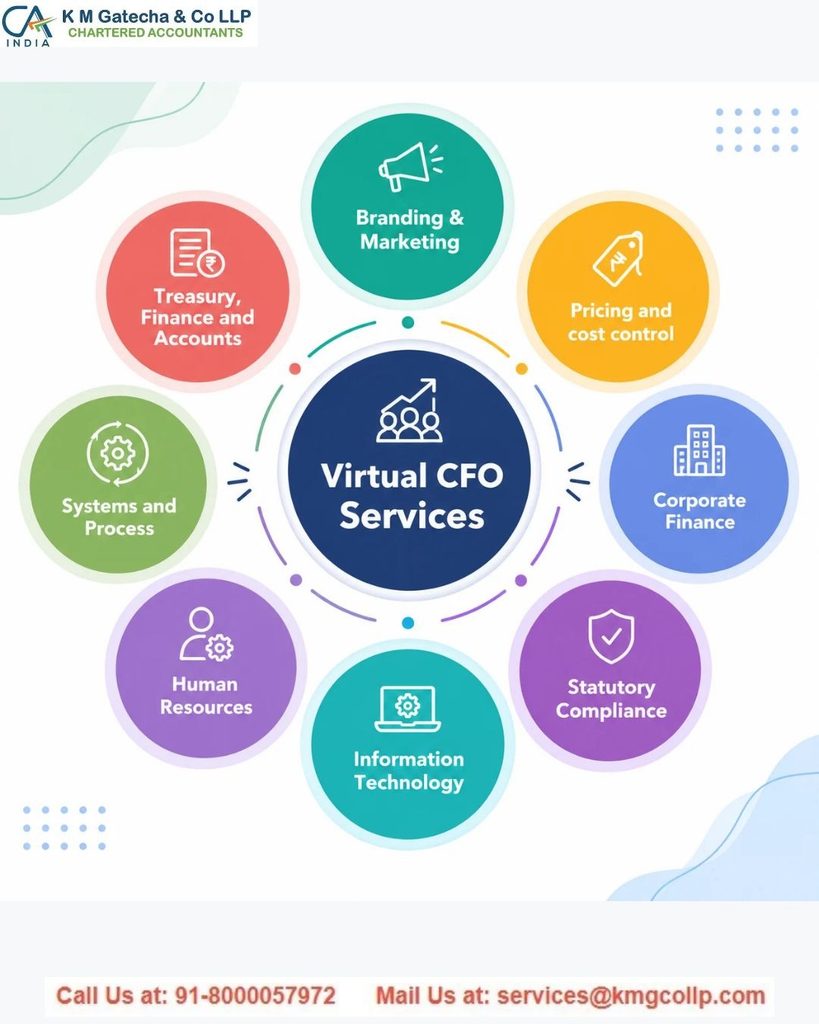
Why Businesses Choose a Virtual CFO: Cost, Flexibility, and Expertise
1. Cost-Effective Financial Leadership
Hiring a full-time CFO can be expensive, particularly for startups and small businesses operating with limited budgets. A Virtual CFO offers access to high-level financial expertise at a much lower cost, usually through monthly retainers or project-based pricing, making it a cost-effective option.
2. Flexible Engagement and Scalability
Virtual CFO services can be adjusted based on a company’s growth stage, projects, or seasonal requirements. Businesses can increase or reduce the level of CFO support as needed, which is especially useful for startups dealing with changing financial requirements.
3. Access to Diverse Expertise
Virtual CFOs often serve clients across different industries, allowing them to bring a wide range of knowledge, proven practices, and innovative financial strategies. This experience helps businesses receive professional guidance suited to their specific industry challenges.
4. Focus on Core Business Functions
Outsourcing financial leadership allows founders and management teams to focus on product development, sales, and operations while strategic financial planning and compliance are managed by experienced professionals.
5. Technology-Driven Efficiency
Virtual CFOs use advanced financial software, cloud-based accounting systems, and real-time dashboards to provide accurate and timely financial information, improving transparency and business decision-making.
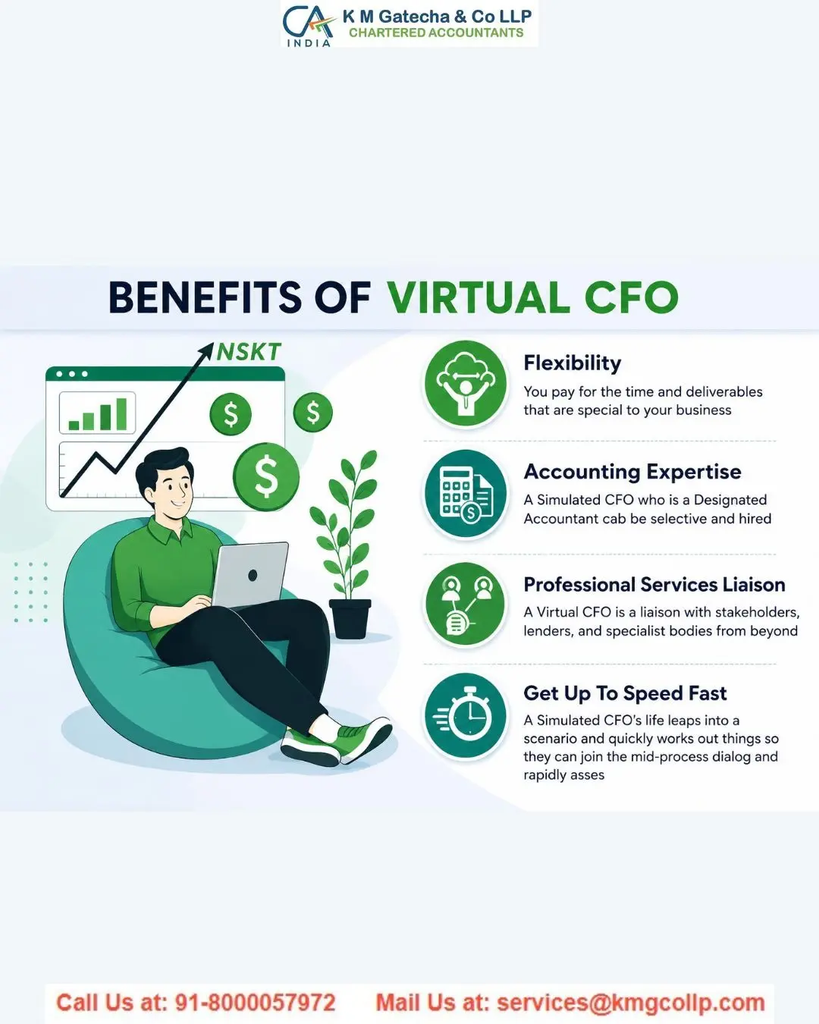
Role of a Virtual CFO for Startups & Businesses
A Virtual CFO (vCFO) plays an important role in shaping a company’s financial strategy by providing professional financial leadership without the cost of hiring a full-time Chief Financial Officer. This flexible model supports effective financial management, helping startups and growing businesses make informed decisions, use resources efficiently, and expand sustainably.
Key Responsibilities of a Virtual CFO
A Virtual CFO handles various strategic and operational financial responsibilities that support business growth and long-term stability:
1. Financial Planning and Analysis
- Creates detailed financial models and forecasts
- Reviews financial data to identify trends and potential opportunities
- Supports business decisions through scenario planning and profitability analysis
2. Cash Flow Management
- Tracks and improves cash inflows and outflows
- Maintains sufficient liquidity for operational requirements and prevents cash shortages
- Applies cash management strategies to optimize working capital
3. Budgeting and Forecasting
- Develops detailed budgets based on business objectives
- Regularly revises forecasts according to market conditions and business performance
- Monitors budget variances and suggests corrective measures to remain aligned with targets
4. Risk Management and Compliance
- Identifies financial, operational, and regulatory risks
- Ensures compliance with tax regulations, accounting standards, and industry requirements
- Establishes internal controls and risk management policies
5. Fundraising and Investor Relations
- Prepares financial documents and business plans for fundraising rounds
- Communicates with investors, lenders, and other stakeholders to support capital raising
- Provides clear financial reporting and strengthens investor confidence
Traditional CFO vs Virtual CFO – Key Role Differences
| Function / Aspect | Traditional (Full-Time) CFO | Virtual CFO |
| Employment Type / Status | Full-time employee | Part-time, contract-based, or outsourced |
| Location | Works on-site from the corporate office or company premises | Works remotely using cloud-based financial tools |
| Cost Structure | Fixed salary along with benefits and overhead costs | Pay-as-you-go, project-based, or retainer-based fees |
| Scope of Involvement / Work | Handles detailed day-to-day financial control with complete ownership of financial operations | Provides strategic and advisory support with flexible involvement in planning, compliance, and fundraising |
| Reporting Structure | Regularly reports to the CEO and Board | Provides periodic reports and updates |
| Team Management | Manages finance department employees | May or may not oversee internal finance teams |
| Flexibility | Fixed position with regular daily responsibilities | Scalable engagement based on changing business requirements |
| Ideal Business Size | Large enterprises with complex financial requirements | Startups, SMEs, and growing businesses |
This comparison shows why many startups and small businesses choose a Virtual CFO to gain access to professional financial expertise without taking on the long-term cost of a full-time CFO.
Ready to take control of your company’s finances with expert guidance?
Partner with us for Virtual CFO services designed for startups, SMEs, and growing businesses.
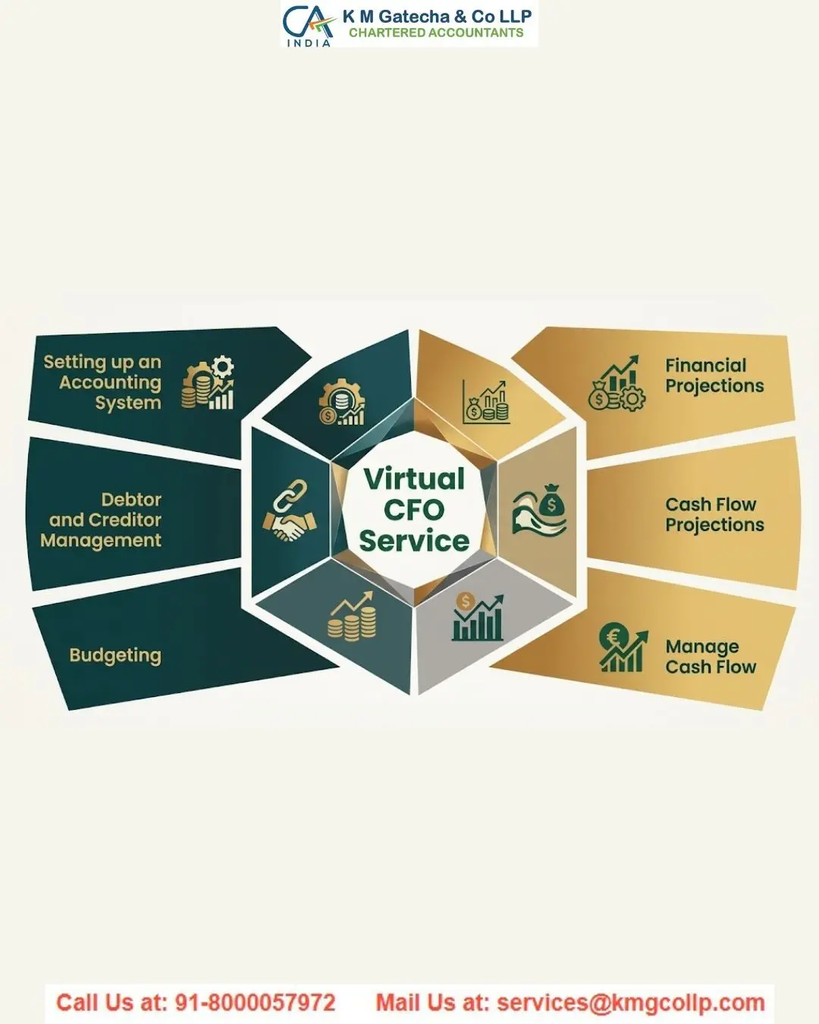
What Are Virtual CFO Services?
Virtual CFO services cover a wide range of advanced financial functions that help startups, SMEs, and growing businesses manage their finances strategically and effectively. Delivered remotely with flexible engagement options, these services provide professional financial support based on the specific requirements of a business without the cost of hiring a full-time CFO.
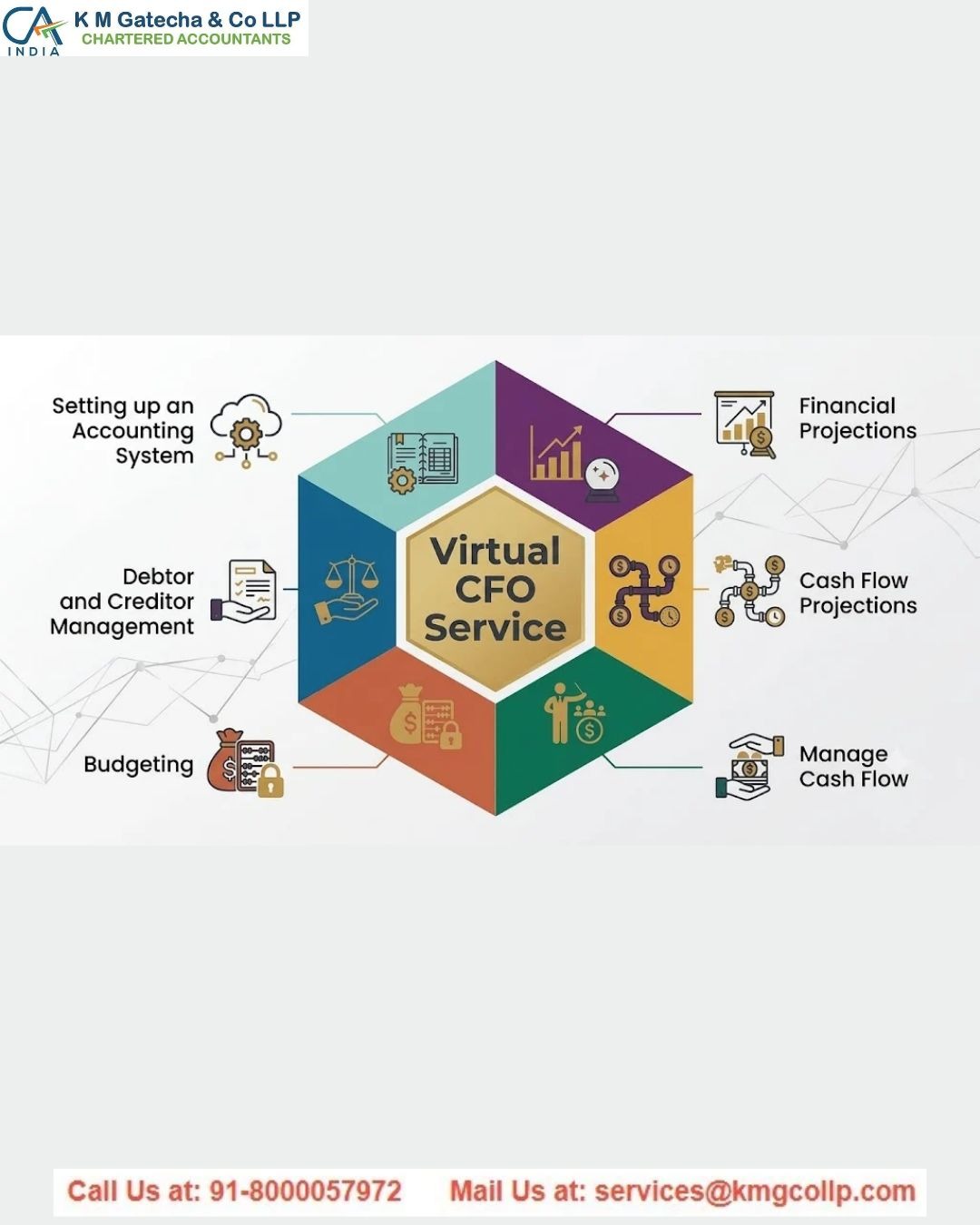
Core Services Offered by Virtual CFOs
1. Financial Strategy and Advisory
- Creates long-term financial plans aligned with business objectives
- Provides guidance on cost reduction, revenue growth, and improving profitability
- Performs scenario analysis to prepare for market changes and investment opportunities
- Supports strategic business decisions with data-based financial insights
2. Management Reporting and KPIs
- Establishes relevant key performance indicators (KPIs) based on the business model
- Creates customized financial reports, dashboards, and visual analytics
- Supports real-time tracking of business performance and operational efficiency
- Promotes clear communication with stakeholders and board members
3. Tax Planning and Regulatory Compliance
- Ensures compliance with applicable domestic and international tax laws and regulations
- Identifies potential tax-saving opportunities through effective planning
- Coordinates with auditors and tax professionals to ensure smooth compliance
- Keeps the business informed about changing financial regulations to help prevent penalties
4. Cash Flow Optimization
- Tracks cash inflows and outflows to maintain sufficient liquidity
- Uses cash management strategies to minimize working capital gaps
- Forecasts both short-term and long-term cash requirements
- Provides guidance on payment terms, credit policies, and collections to improve cash cycles
5. Fundraising Assistance and Capital Structuring
- Develops financial models and pitch decks for investor presentations
- Advises on different fundraising methods, including equity, debt, and hybrid instruments
- Assists with due diligence and negotiations involving investors and lenders
- Helps structure capital effectively while balancing business growth and risk
6. Technology Integration for Financial Management
- Introduces cloud-based accounting and ERP systems to improve financial processes
- Integrates automation tools for invoicing, payroll, and expense management
- Uses data analytics platforms to improve financial visibility and forecasting accuracy
- Enables secure and collaborative remote access for finance teams and stakeholders
Why Do You Need Virtual CFOs in Early-Stage Startups?
Many startups are founded by innovators who have strong knowledge of their core technology or business area but may have limited expertise in finance, taxation, and compliance. First-time entrepreneurs may not always be familiar with financial regulations and available tax incentives, which can become expensive challenges for startups operating with limited funds.
Although a full-time CFO can effectively manage these areas, the cost of hiring one can be too high for an early-stage company. This has made Virtual CFO services a practical alternative. One of the key responsibilities of a Virtual CFO is to analyze financial information and present it clearly to founders and promoters, helping them make future business decisions and identify areas where changes or corrections are needed in the existing system.
Benefits and Importance of Hiring a Virtual CFO: Unlocking Strategic Financial Advantages
Hiring a Virtual CFO can provide several advantages that improve how startups and growing businesses handle their finances. From reducing costs to gaining professional financial insights, a Virtual CFO helps businesses use resources efficiently and make better decisions to support growth and stability.
1. Cost Efficiency Compared to Full-Time CFO
- Lower Overhead Costs: Virtual CFOs generally work on a retainer or project basis, helping businesses avoid the high fixed expenses of salaries, bonuses, and benefits associated with full-time CFOs.
- Pay for Required Services: Flexible engagement models allow businesses to use CFO-level expertise only when needed, reducing unnecessary costs during slower periods.
- Suitable for Startups and SMEs: This model is particularly useful for businesses with limited budgets that still require strategic financial guidance.
2. Access to Expert Financial Insights Tailored to Your Industry
- Industry-Specific Knowledge: Virtual CFOs often work with businesses across different sectors, bringing relevant experience, best practices, and specialized industry knowledge.
- Customized Financial Strategies: They create financial strategies based on the company’s business model, competitive environment, and growth plans.
- Data-Based Decision Support: By using advanced financial analysis, they provide practical insights that can improve profitability and operational performance.
3. Scalability and Flexibility as Business Needs Evolve
- Flexible Engagement Levels: Businesses can increase or reduce CFO involvement based on business cycles, fundraising requirements, or expansion plans.
- Expertise When Required: Companies can access additional support in areas such as tax planning, compliance, or fundraising whenever necessary.
- No Long-Term Commitment: This flexible approach works well for startups and rapidly growing businesses facing changing financial requirements.
4. Improved Financial Health and Strategic Decision-Making
- Better Cash Flow Management: Regular financial oversight helps businesses avoid liquidity problems and manage working capital effectively.
- Effective Budgeting and Forecasting: Reliable financial projections support better decisions related to investments, hiring, and product development.
- Risk Reduction: Early identification of financial risks allows businesses to take suitable measures to reduce their potential impact.
5. Enhanced Compliance and Risk Mitigation
- Regulatory Compliance: Helps businesses follow tax laws, accounting standards, and industry-specific regulations while reducing the risk of penalties.
- Strong Internal Controls: Establishes financial controls and audit procedures to help prevent fraud and accounting errors.
- Regular Regulatory Updates: Keeps businesses informed about regulatory changes and helps them prepare for audits and investor due diligence.
Summary: Key Benefits at a Glance
| Benefit | Description |
| Cost Efficiency | Lower financial commitment compared to a full-time CFO |
| Industry Expertise | Industry-focused financial guidance and insights |
| Scalability | Flexible service levels based on business growth |
| Strategic Financial Health | Better cash flow, budgeting, and risk management |
| Regulatory Compliance | Supports legal compliance and helps reduce penalties |
Unsure whether your business needs a Virtual CFO?
Who Should Consider a Virtual CFO?
Hiring a Virtual CFO is particularly suitable for businesses that require professional financial leadership but want to avoid the expense and long-term commitment of employing a full-time CFO.
Ideal Business Sizes for a Virtual CFO
- Startups: Early-stage businesses that need strategic financial planning while working with limited budgets.
- Small and Medium Enterprises (SMEs): Businesses expanding their operations and requiring financial oversight to support continued growth.
- Growing Companies: Organizations undergoing rapid expansion, launching new products, or entering new markets that can benefit from flexible CFO support.
Is Your Business Ready for a Virtual CFO?
Business Readiness Indicators
- Your business is a startup, SME, or growing company
- You do not have an in-house CFO or senior financial leadership
- You require professional financial planning but cannot justify the cost of a full-time CFO
- You want strategic financial guidance suited to your industry
- You are facing challenges with cash flow management
- You are preparing for fundraising or investor presentations
- Your compliance and regulatory requirements are becoming more complex
- You need flexible, on-demand financial advisory support
- Your existing financial reporting is inadequate or delayed
- You want to use technology-based financial tools and automation
- You want to improve budgeting, forecasting, and KPI tracking
Operational Readiness
- You have access to accurate financial records and required documents
- Your team is prepared to work remotely with external financial professionals
- You have dependable internet access and use cloud-based software, such as accounting tools
- You have clearly established business objectives and growth plans
Disclaimer: The content on this website is for informational purposes only and does not constitute legal, financial, or professional advice. Please consult qualified experts before acting on any information. K M GATECHA & CO LLP accepts no liability for errors, omissions, or outcomes from the use of this content. This site is not an advertisement or solicitation.


