

When a company completes the registration process with the Registrar of Companies (ROC), it receives a unique 21-character alphanumeric identification number known as the Company Registration Number (CRN) or Corporate Identification Number (CIN). This number is allotted at the time of incorporation and helps authorities track the company’s activities and maintain its official records. The ROC maintains records of companies registered under its jurisdiction and their respective identification numbers.
Obtaining a CIN is mandatory for registered companies in India. Understanding what a Company Registration Number is and why it is required helps businesses meet their legal and regulatory obligations. This article explains the meaning, purpose, and structure of the Company Registration Number.
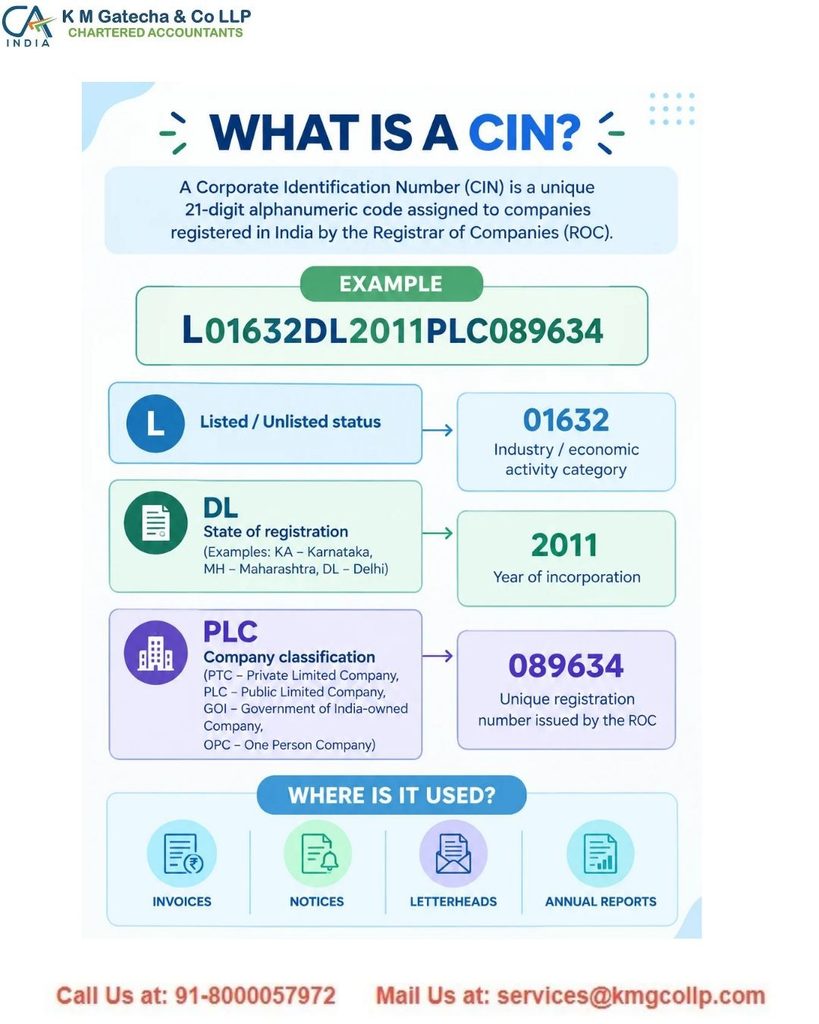
The Corporate Identification Number (CIN) is a unique 21-character code assigned to registered companies in India, including private limited companies, public limited companies, and other eligible company structures. It helps establish a company’s legal identity and makes it easier to identify and verify the organization in official records. Failure to comply with applicable requirements for mentioning the CIN may attract penalties under the relevant provisions of company law.
The Registrar of Companies (ROC), operating under the Ministry of Corporate Affairs, is responsible for issuing the CIN. Business owners can complete the prescribed incorporation process to register their companies and obtain this identification number.
ROCs operate across India and maintain company registration records for their respective jurisdictions. The CIN helps identify registered businesses, verify their authenticity, and access key information about their incorporation and legal status.
The CIN serves as evidence that a company has been registered with the Registrar of Companies (ROC).
How Is the Company Registration Number Created?
The Company Registration Number, or CIN, contains several components that provide specific information about a company:
- First character: The first letter indicates whether the company is listed or unlisted. A CIN beginning with L indicates a listed company, while U indicates an unlisted company.
- Next five digits: These digits represent the industry code associated with the company’s principal business activity.
- Next two letters: These letters indicate the state in which the company is registered. For example, RJ represents Rajasthan.
- Next four digits: These digits specify the year in which the company was incorporated.
- Next three letters: These letters identify the company’s category or legal structure. For example, PLC denotes a Public Limited Company, SGC denotes a State Government Company, NPL denotes a Section 8 or not-for-profit company, and OPC denotes a One Person Company.
- Final six digits: These digits form the company’s unique registration number assigned by the Registrar of Companies (ROC). They distinguish the company from other registered entities.
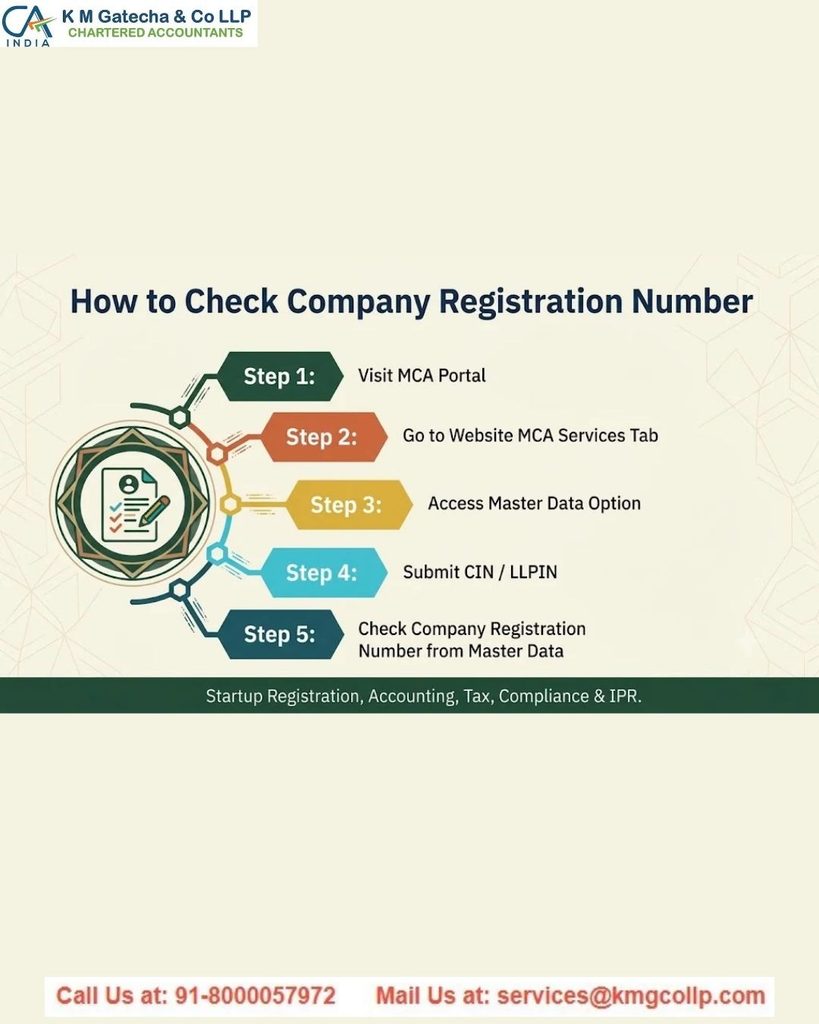
What Is the Process for Obtaining a Company Registration Number?
Wondering how to obtain a Company Registration Number? After deciding on the type of business you want to establish, you can follow the steps below to register your company and receive its Corporate Identification Number (CIN):
- Obtain a Digital Signature Certificate (DSC): Apply for a DSC through a certified agency. It allows you to digitally sign electronic documents and forms submitted online.
- Apply for a Director Identification Number (DIN): Obtain a DIN through the Ministry of Corporate Affairs (MCA). This unique identification number is assigned to a company’s director.
- Register on the MCA Portal: Create a new user account on the MCA portal and complete the required registration and verification steps.
- Complete the Company Incorporation Process: Submit the applicable incorporation forms along with the necessary documents and prescribed fees through the MCA portal.
- Obtain the Certificate of Incorporation: Once the application is approved, the MCA issues the Certificate of Incorporation, confirming the company’s legal establishment and relevant registration details.
After all the required documents and incorporation forms have been submitted, the Ministry of Corporate Affairs reviews the application. Upon approval, the company receives its Corporate Identification Number (CIN).
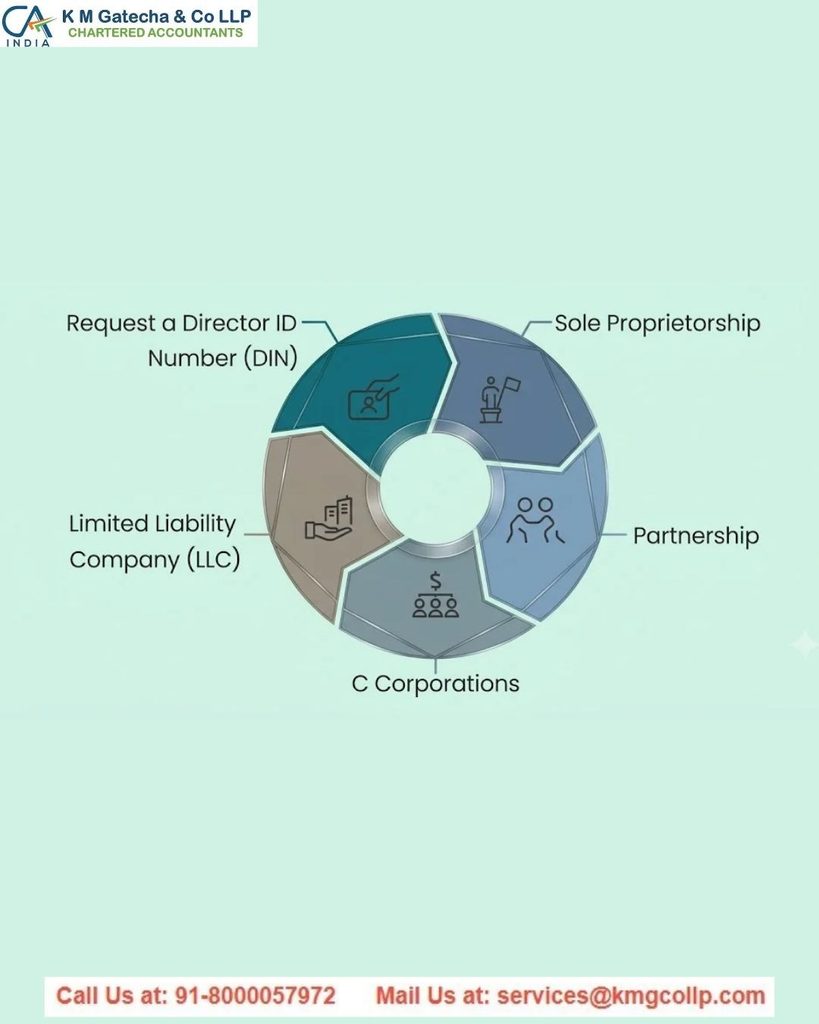
What Is the Importance of the Company Registration Number?
The Company Registration Number helps monitor and track a company’s activities and operations from the time it is incorporated through the Registrar of Companies (ROC). This unique 21-character alphanumeric code must be mentioned in the applicable company documents and transactions as required under relevant legal and regulatory provisions.
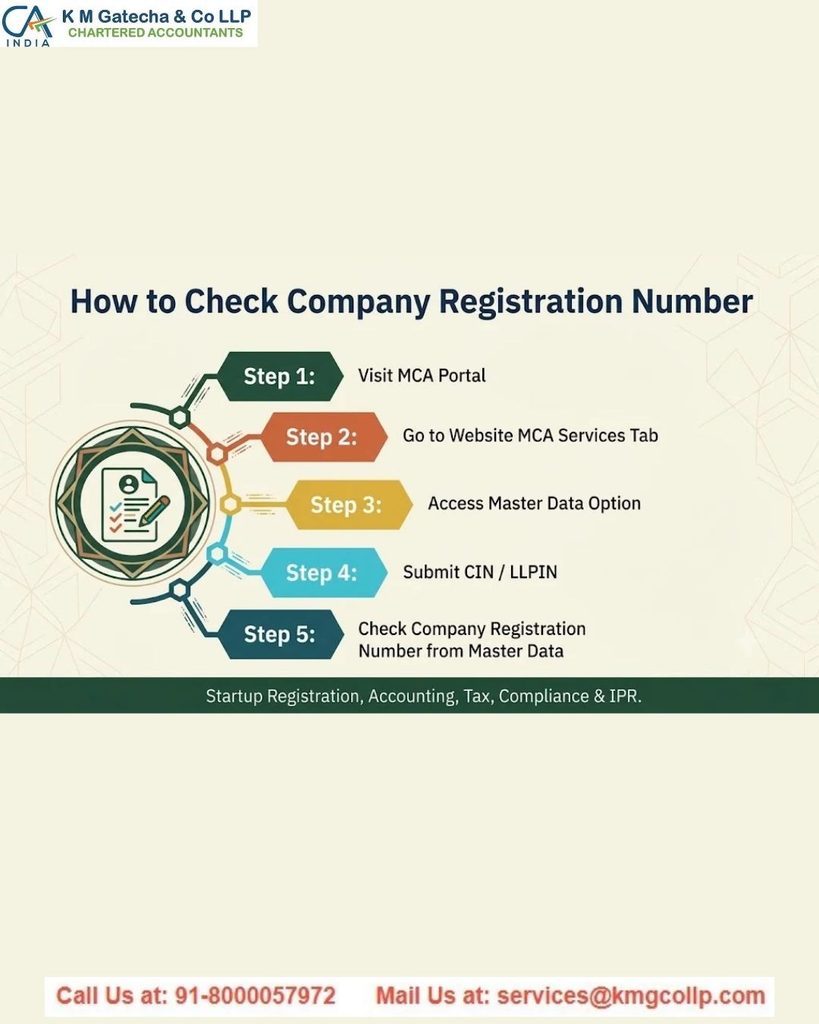
The Company Registration Number contains meaningful information that helps identify a registered company under the Ministry of Corporate Affairs. Its structure allows users to determine key details about the company, while MCA and ROC records make it easier to access company information, verify its identity, and track its registration details.
Disclaimer: The content on this website is for informational purposes only and does not constitute legal, financial, or professional advice. Please consult qualified experts before acting on any information. K M GATECHA & CO LLP accepts no liability for errors, omissions, or outcomes from the use of this content. This site is not an advertisement or solicitation.

