Revised Income Tax Return: How and When to File?
Even the most careful taxpayers can make mistakes while filing an Income Tax Return (ITR). You might miss an eligible deduction, forget to report an income source, enter an incorrect amount, or select the wrong ITR form. Fortunately, the Income-tax Act, 1961, provides a way to correct eligible errors by filing a revised return under Section 139(5).
Many individuals, salaried employees, and professionals are unaware of how the revision process works. With the help of the Income Tax Department’s e-filing portal or reliable income tax return filing software, you can review your original return, identify errors, and submit the necessary corrections within the prescribed time limit.
In this article, we explain what a revised ITR is, when you should file one, and the important rules you need to understand before revising your return.
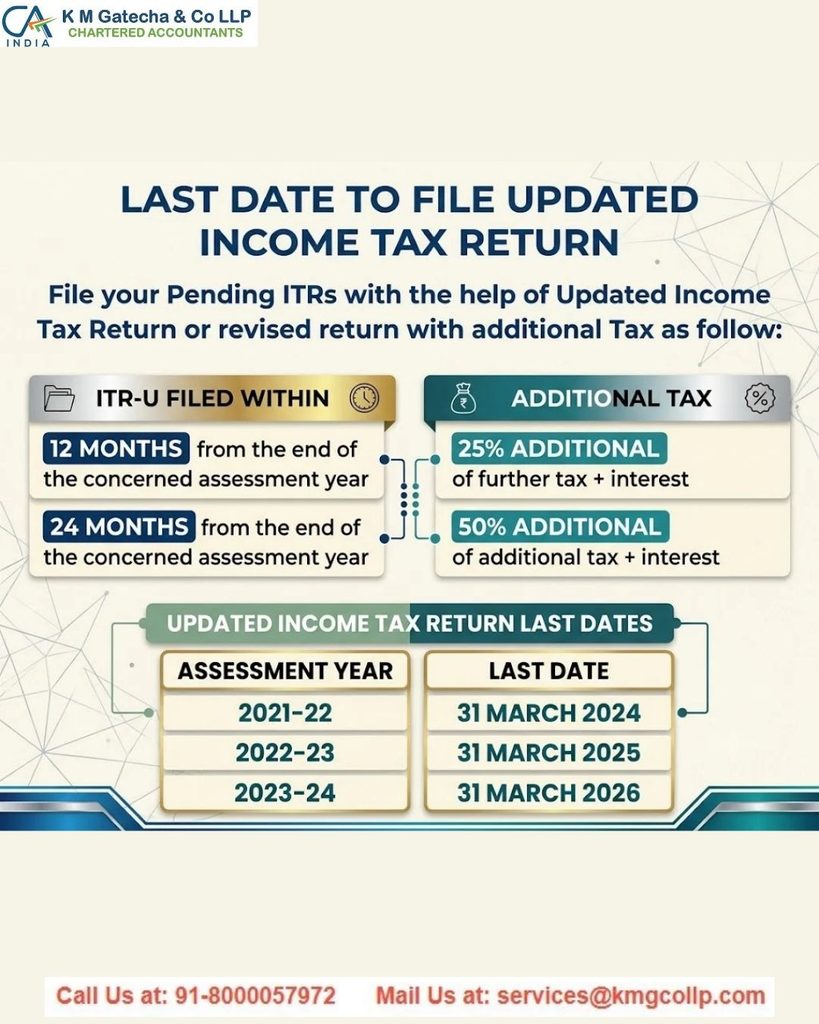
What Is a Revised Return?
A revised return is an updated version of an Income Tax Return that a taxpayer has already filed. It allows you to correct omissions or incorrect statements in your original return, subject to the applicable legal provisions and filing deadlines.
For returns governed by the Income-tax Act, 1961, Section 139(5) provides for filing a revised return. If you discover that you failed to report income, selected the wrong tax regime, claimed an incorrect deduction, entered inaccurate figures, or used an inappropriate ITR form, you may be able to correct the error by filing a revised return.
Once a valid revised return is filed, it supersedes the original return for the information revised.
Common errors that may be corrected through a revised ITR include:
-
- Unreported salary or freelance income: Adding eligible income that was inadvertently omitted from the original return.
-
- Missed interest income: Reporting interest earned from savings accounts, fixed deposits, or other investments.
-
- Incorrect deduction claims: Correcting deductions that were underreported or claimed in excess of the eligible amount.
-
- Calculation errors: Fixing mathematical mistakes or incorrect tax computations.
-
- Wrong ITR form: Selecting the appropriate return form when the original form was incorrect and revision is permitted.
-
- Incorrect tax regime selection: Correcting an erroneous old-regime or new-regime selection where the applicable rules allow a change.
-
- Incorrect refund claim: Correcting return details where an error resulted in a lower refund than you were eligible to claim.
-
- TDS or TCS credit discrepancies: Correcting eligible tax credit details in accordance with the applicable procedure.
Revising your return can also help align your reported income and tax credits with relevant records, including Form 26AS, the Annual Information Statement (AIS), bank statements, and salary documents. Accurate reporting may help prevent avoidable discrepancies, although filing a revised return does not guarantee that a tax notice or scrutiny will be avoided.
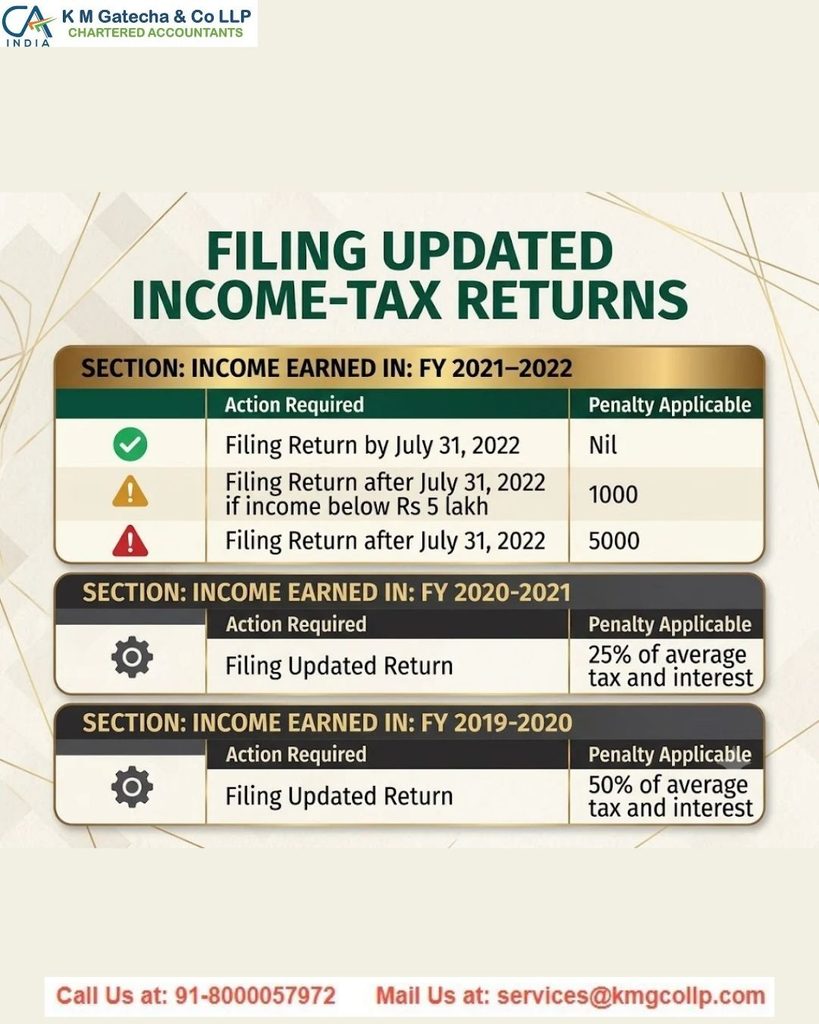
When Should You File a Revised Return?
You should consider filing a revised return as soon as you discover a genuine error or omission in your original ITR. However, you must follow the applicable deadline and ensure that your return remains eligible for revision.
For returns governed by Section 139(5) of the Income-tax Act, 1961, the general deadline was three months before the end of the relevant assessment year or completion of the assessment, whichever occurred earlier, subject to any applicable extension.
Example: For FY 2024–25, corresponding to AY 2025–26, the general revised-return deadline was December 31, 2025. That deadline has passed.
Budget 2026 Update: Extended Deadline for Revised Returns
Budget 2026 proposed extending the revised-return filing period from December 31 to March 31 of the relevant assessment year, subject to an additional fee for filing during the extended period. The Income Tax Department’s current guidance specifies the following for AY 2026–27:
-
- By December 31, 2026: The revised-return filing fee under the extended-deadline provision does not apply.
-
- After December 31, 2026, and by March 31, 2027: An additional fee under Section 234-I may apply, subject to the applicable rules.
-
- Assessment completion: The return must still satisfy the applicable assessment-related conditions.
For FY 2025–26, corresponding to AY 2026–27, the Income-tax Act, 1961, continues to govern the return, even though the Income-tax Act, 2025, came into effect on April 1, 2026. Section 139(5) therefore remains relevant for revising that return.
You may generally revise an eligible return more than once within the permitted period. However, each revision should be checked carefully to ensure that all reported details are accurate.
A belated return may also be revised if it meets the applicable conditions and is revised within the prescribed time limit. However, revising a belated return does not automatically waive any late filing fee, interest, or other applicable liability.
Using reliable income tax return filing software can help you organise tax information, review calculations, and prepare your return. Always verify the applicable assessment year, filing deadline, and legal requirements before submitting a revised ITR.
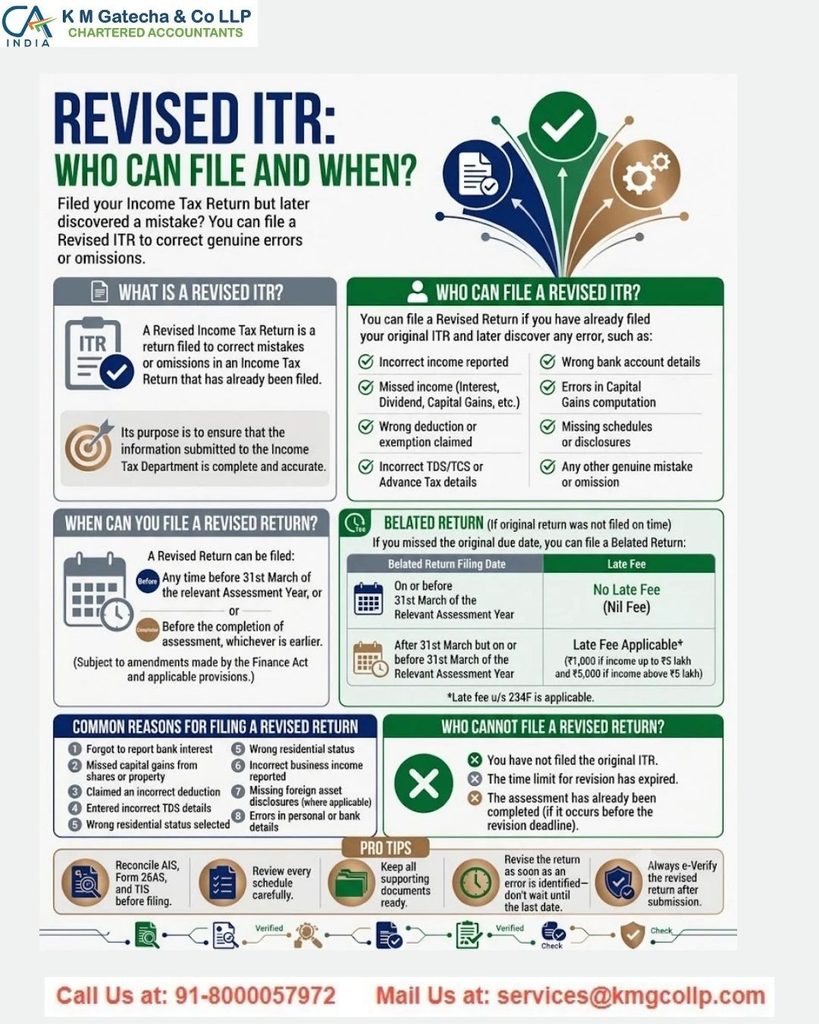
Key Rules You Must Know Before Filing a Revised Return
Before submitting a revised Income Tax Return (ITR), understand the rules governing revisions, verification, and applicable tax liabilities.
1. A Revised Return Supersedes the Original
Once a valid revised return is filed, it supersedes the original return for the information being revised. Always review the complete return before submitting corrections.
2. You Can Revise a Return After Receiving a Refund
Receiving an income tax refund does not automatically prevent you from filing a revised return. You may still be eligible to correct your return, provided you meet the applicable conditions and filing deadline.
3. Multiple Revisions May Be Permitted
You can generally file multiple revised returns within the prescribed period. However, each revision should contain accurate information and incorporate all necessary corrections.
4. Assessment Proceedings Can Affect Eligibility
Your ability to revise a return depends on the applicable law and the status of your assessment. Under the relevant provisions, a revised return may not be permitted after the assessment has been completed. Check the rules applicable to your assessment year before proceeding.
5. Filing a Revised Return Does Not Automatically Attract a Separate Penalty
There is generally no separate penalty merely for filing a revised return to correct a genuine mistake. However, additional tax, interest, fees, or penalties may apply depending on the circumstances.
6. Reconcile Your Tax Information Before Making Corrections
Before revising your ITR, compare your reported income and tax credits with Form 26AS, the Annual Information Statement (AIS), the Taxpayer Information Summary (TIS), bank statements, salary documents, and other relevant records. This can help you identify discrepancies and avoid further errors.
Many taxpayers and tax professionals use income tax return filing software to organise tax information, reconcile records, and identify missing disclosures before submitting a return.
How to File a Revised Return
You can generally file a revised return regardless of whether you prepared the original ITR using professional tax software, another online platform, or the Income Tax Department’s e-filing portal. The revised return must be submitted through an available and authorised filing method.
Follow these steps:
-
- Visit the official portal: Open the Income Tax Department e-Filing website.
-
- Log in to your account: Sign in using your PAN or user ID and password.
-
- Choose the revised-return option: Navigate to the Income Tax Return filing section and select the option to file a revised return, where available.
-
- Select the assessment year: Choose the assessment year for which you need to correct your return.
-
- Choose the appropriate ITR form: Select the form that matches your income sources and taxpayer category, subject to the applicable rules.
-
- Provide the original return details: Enter the original ITR acknowledgement number and filing date wherever requested.
-
- Correct the information: Update the income, deductions, exemptions, tax credits, or disclosures that require correction.
-
- Review and submit: Verify the updated information and tax calculations before submitting the revised return.
-
- Complete verification: E-verify the return using an available method, such as Aadhaar OTP, net banking, or an Electronic Verification Code (EVC), or submit the prescribed verification document within the applicable deadline.
Important: Filing alone is not enough. You must complete the required verification within the prescribed period for the return to be treated as valid.
Tax preparation software, may offer features such as data import, automated calculations, and return preparation to help streamline the process. Actual features and filing options depend on the software and the applicable portal requirements.
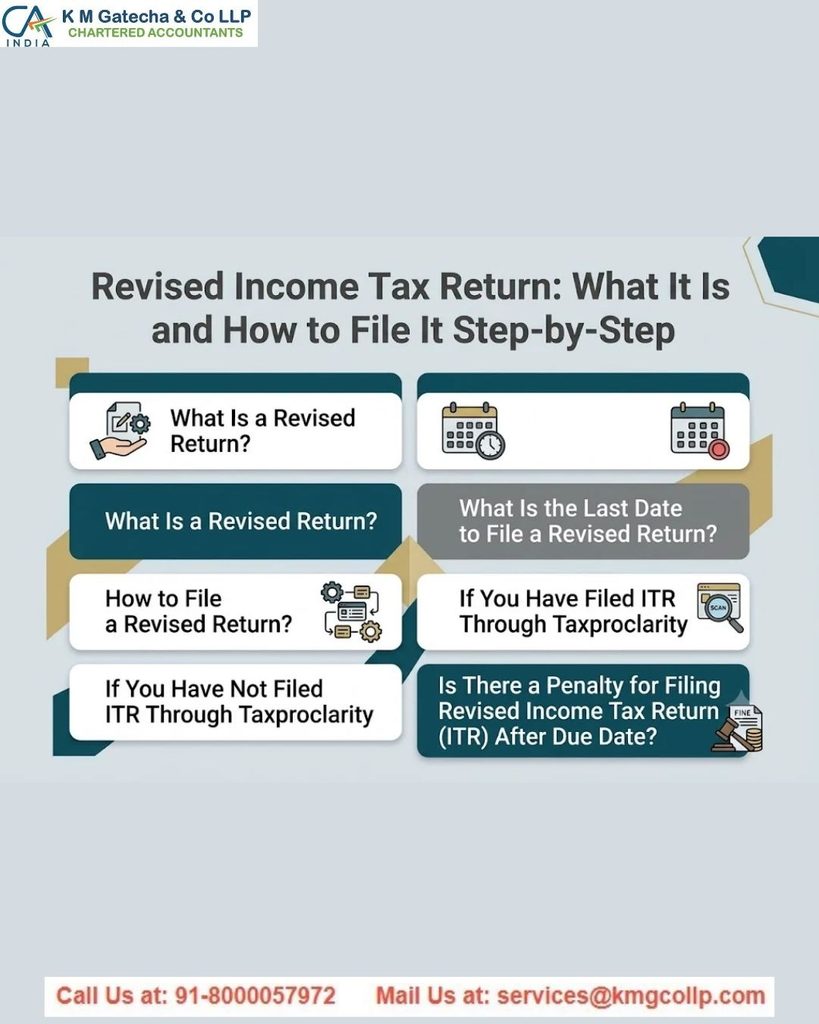
Is There a Penalty for Filing a Revised Return?
Filing a revised ITR within the permitted period does not, by itself, attract a separate penalty. However, the correction may affect your tax liability, and other charges may apply.
Consider the following situations:
-
- Late filing of the original return: An applicable late filing fee under Section 234F may remain payable. Filing a revised return does not automatically remove it.
-
- Additional tax payable: If the revised return increases your taxable income or tax liability, you may need to pay the additional tax and applicable interest.
-
- Incorrect reporting or other non-compliance: Any applicable consequences depend on the nature of the error and the relevant provisions of tax law.
A revised return is intended to correct errors and omissions, not to eliminate liabilities arising under the law. Review your revised tax calculation carefully before submitting it.
Why Use Income Tax Return Filing Software?
Income tax return filing software can help individuals, chartered accountants (CAs), tax practitioners, and businesses manage return preparation and compliance more efficiently. Depending on the product, useful features may include:
-
- Previous-year data import: Reuse eligible information from earlier filings to reduce repetitive data entry.
-
- Pre-filled data and JSON import: Import supported data into the preparation workflow.
-
- Tax record reconciliation: Compare reported income and tax credits with Form 26AS, AIS, and other available records.
-
- Old versus new tax regime comparison: Compare tax outcomes under the applicable regimes when such comparisons are supported.
-
- Automated error checks: Identify potential inconsistencies, missing fields, and incomplete disclosures.
-
- ITR form selection assistance: Help determine the appropriate return form based on the information provided.
-
- Tax and interest calculations: Calculate applicable tax, interest, and other amounts using the software’s supported rules.
-
- Deadline reminders: Track relevant filing and compliance dates.
-
- Filing and verification support: Facilitate return submission and guide users through the available verification process.
Choosing reliable income tax return filing software can help reduce manual errors, improve reconciliation, and simplify the revision process. However, automated checks do not guarantee that a return is error-free. Taxpayers should verify the information entered, confirm the applicable rules, and review the final return before submission.
Revise Smart, File Confidently
Filing a revised Income Tax Return helps you correct eligible errors, maintain accurate tax records, and ensure that your reported income and tax liability reflect the correct information. Reviewing your return carefully and addressing mistakes within the prescribed deadline can also help reduce avoidable discrepancies and support timely refund processing, where applicable.
With the right software and careful verification, you can simplify your tax filing workflow, improve accuracy, and approach filing or revising your ITR with greater confidence.
Disclaimer: The content on this website is for informational purposes only and does not constitute legal, financial, or professional advice. Please consult qualified experts before acting on any information. K M GATECHA & CO LLP accepts no liability for errors, omissions, or outcomes from the use of this content. This site is not an advertisement or solicitation.