India’s e-commerce market is valued at approximately ₹10,82,875 crore and is expected to reach ₹29,88,735 crore by 2030. These figures highlight the rapid expansion of the e-commerce sector. As a result, understanding how Goods and Services Tax (GST) applies to online businesses has become increasingly important.
E-commerce sellers must follow the specific provisions outlined under Section 52 of the CGST Act. Understanding these requirements helps businesses avoid potential penalties, interest, and legal disputes. This guide explains the key aspects of GST applicable to e-commerce businesses in India.
What Is E-commerce Under GST?
Under the CGST Act, 2017, e-commerce refers to the supply of goods or services through digital or electronic networks, including platforms such as Amazon and Flipkart.
An E-commerce Operator (ECO) is a person who owns, operates, or manages a digital or electronic platform used for conducting e-commerce transactions.
Applicability of GST to E-commerce Sellers
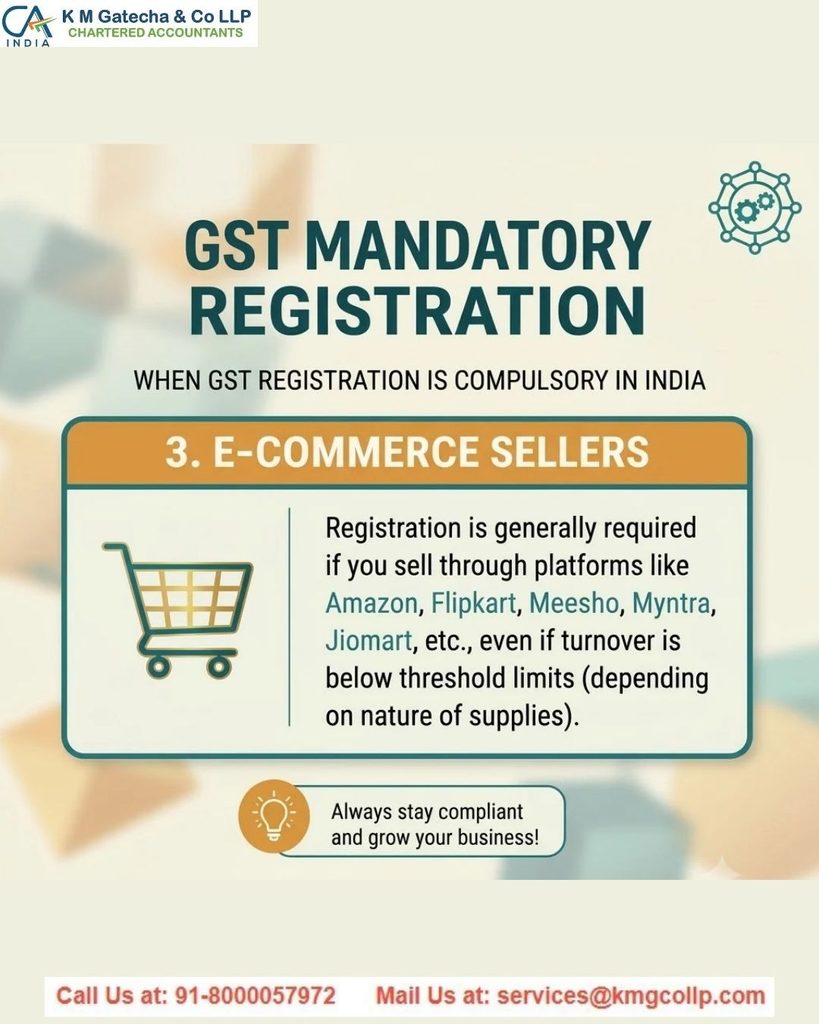
GST provisions for e-commerce sellers differ from those applicable to traditional offline businesses. Under the general rule, sellers supplying goods or services through an e-commerce operator are required to obtain GST registration regardless of their annual turnover. However, certain exceptions and special provisions may apply.
The key requirements and considerations include:
- Applicable E-commerce Platforms: Various platforms fall within the e-commerce framework, including Amazon, Flipkart, Meesho, Swiggy, Zomato, and others.
- GST Registration Requirements: Sellers operating through e-commerce platforms may be required to register under GST even when their annual turnover is below the usual thresholds of ₹40 lakh for goods or ₹20 lakh for services, subject to applicable exceptions.
- GST Liability for Certain Service Providers: For specified services supplied through an e-commerce operator, the operator may be responsible for paying GST instead of the individual service provider. Examples include certain ride-hailing and accommodation services.
Types of GST Applicable to E-commerce Transactions
In e-commerce transactions, the location of the supplier and the recipient plays a key role in determining the applicable GST. Based on whether the supply takes place within the same state or across different states, either intra-state or inter-state tax provisions apply.
The main types of GST applicable to these transactions are as follows:
1. Intra-State Sales: CGST + SGST
When the supplier and the recipient are located in the same state, the transaction is classified as an intra-state supply. In such cases, GST is divided equally between the following components:
- Central Goods and Services Tax (CGST): Collected by the Central Government.
- State Goods and Services Tax (SGST): Collected by the state government where the supply takes place.
Example: If a seller based in Maharashtra sells goods to a buyer in Maharashtra, the seller charges both CGST and SGST on the transaction.
2. Inter-State Sales: IGST
When the supplier and the recipient are located in different states, the transaction is generally treated as an inter-state supply. In this situation:
- Integrated Goods and Services Tax (IGST): Levied on the inter-state supply and collected by the Central Government.
- IGST incorporates the central and state tax components, with the revenue distributed between the Centre and the states according to the applicable provisions.
Example: If a seller located in Delhi supplies goods to a customer in Karnataka, IGST applies to the transaction.
Tax Collection at Source (TCS) Under GST
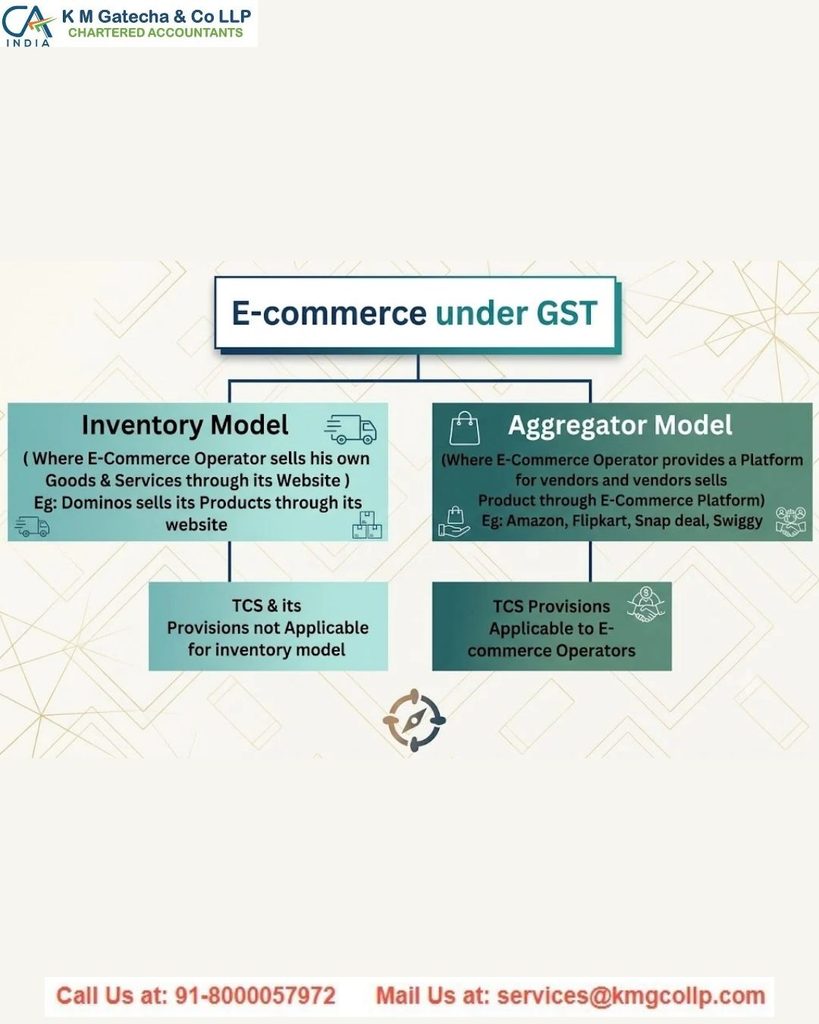
Under GST law, e-commerce operators play an important role in facilitating tax compliance for online marketplace transactions. They are required to collect Tax Collected at Source (TCS) on applicable supplies under Section 52 of the CGST Act, 2017. This mechanism helps maintain transparency and supports the reporting of transactions conducted through e-commerce platforms.
The key aspects of TCS under GST are:
- TCS Rate: 1% of the net value of taxable supplies, comprising 0.5% CGST and 0.5% SGST for applicable intra-state supplies.
- Collected By: The e-commerce operator.
- Paid To: The government by the e-commerce operator on behalf of the seller.
- Credit: The collected TCS amount is credited to the seller’s electronic cash ledger and can be used to discharge eligible GST liabilities through the prescribed process.
Example of How TCS Works
Suppose a GST-registered seller generates monthly sales of ₹1,00,000 through Amazon. In this case, Amazon will:
- Deduct ₹1,000 as TCS, calculated at 1% of ₹1,00,000.
- Transfer the remaining ₹99,000 to the seller.
- Deposit the ₹1,000 TCS amount with the GST department against the seller’s GSTIN.
When filing GST returns, the seller can check the TCS details reflected on the GST portal and claim the eligible amount as a credit in accordance with the applicable provisions.
Impact of TCS on Sellers
- Cash Flow Delays: The 1% deduction reduces the amount immediately received by the seller.
- Working Capital Pressure: Sellers may experience liquidity challenges during months with high sales volumes.
- Reconciliation Requirements: Sellers need to reconcile e-commerce platform statements, such as Amazon sales reports, with their GST returns.
- Refund and Cancellation Adjustments: Since TCS is calculated on the net value of applicable taxable supplies, sellers must carefully reconcile sales returns and cancelled orders.
Record-Keeping and Input Tax Credit (ITC)
Input Tax Credit (ITC) is an important feature of GST that allows e-commerce sellers to reduce their overall tax liability by claiming eligible credits for GST paid on business-related purchases.
To claim ITC, sellers must generally meet the following conditions:
- The seller must be registered under GST, and the goods or services purchased must be used or intended for use in the course or furtherance of business.
- The seller must possess valid tax invoices or other prescribed documents issued by registered suppliers, as applicable.
- The goods or services must have been received.
- The supplier must have paid the applicable GST to the government, and the prescribed return-filing requirements must be fulfilled.
ITC Claim Deadline: ITC claims must be made within the time limit prescribed under GST law. Generally, the deadline is 30 November following the end of the relevant financial year or the date of filing the annual return, whichever is earlier, subject to applicable conditions.
What Is the GST Registration Process for an E-commerce Seller?
To sell goods or services through an e-commerce operator (ECO) in India, sellers must obtain a valid Goods and Services Tax Identification Number (GSTIN) where registration is required under applicable GST provisions. GST registration helps businesses fulfil their tax obligations, claim eligible Input Tax Credit (ITC), and meet GST return-filing requirements.
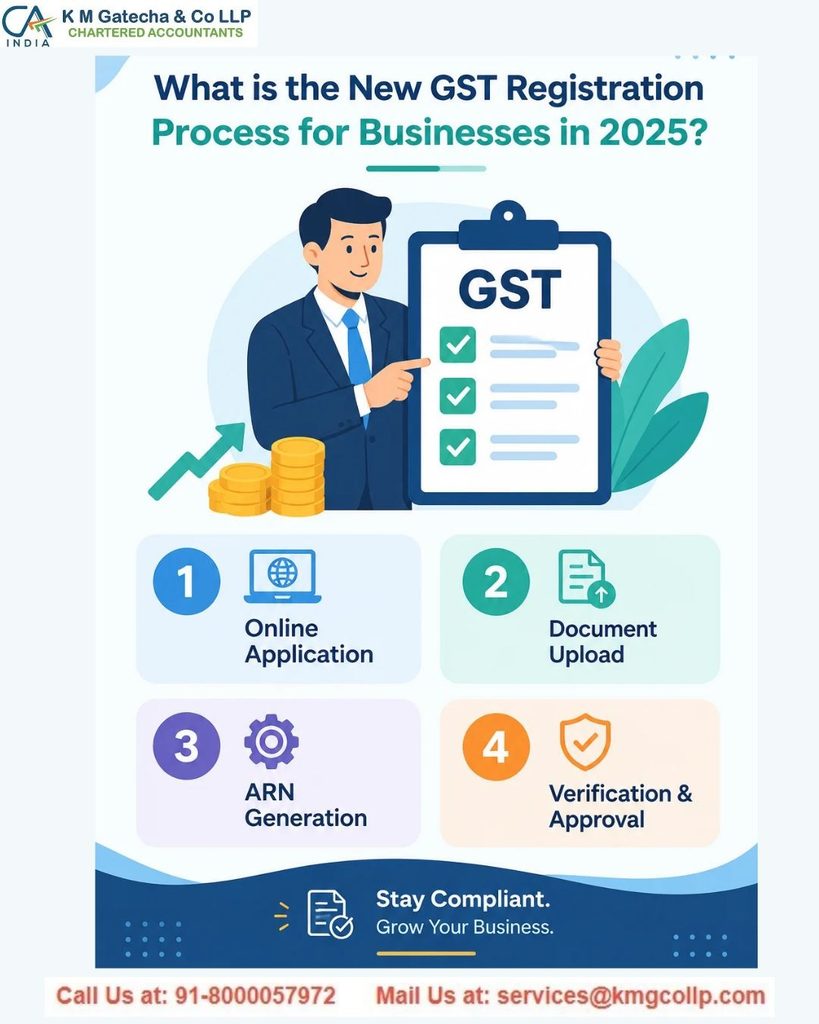
Follow these steps to complete the registration process:
- Visit the GST Portal: Open the official GST website and select the registration option.
- Enter Basic Details: Provide the essential information required to initiate the registration application.
- Provide Business Information: Fill in the relevant details about your business accurately.
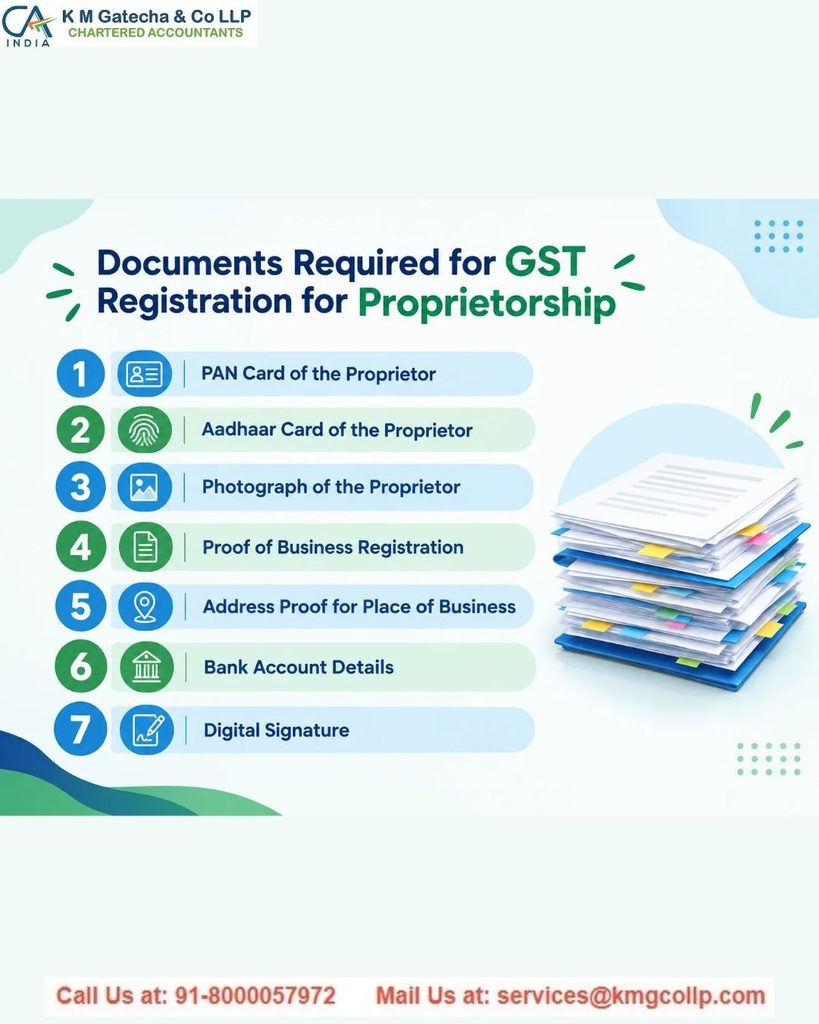
- Upload the Required Documents: Prepare and submit the necessary documents, including:
- PAN card of the business or proprietor.
- Aadhaar card.
- Proof of business address, such as a rental agreement or electricity bill.
- Bank account proof, such as a cancelled cheque or bank statement.
- Photographs of authorised signatories.
- Authorisation letter or partnership deed, wherever applicable.
- Receive the Application Reference Number (ARN): After submitting the application, an ARN is generated to help you track its status.
- Verification and GSTIN Issuance: Once the application is verified and approved by the relevant GST authorities, the GSTIN is issued and communicated to the registered email address.
The registration process enables eligible e-commerce sellers to meet their GST obligations and operate in accordance with applicable regulations.
Conclusion
The growth of digital commerce presents significant opportunities for entrepreneurs across India, while also requiring careful financial management. For e-commerce sellers, GST compliance is an important part of establishing and maintaining a sustainable business.
Maintaining accurate financial records and fulfilling tax obligations on time can help businesses avoid penalties and manage their finances more effectively. Proper documentation may also support applications for business financing, including a business loan.
Disclaimer: The content on this website is for informational purposes only and does not constitute legal, financial, or professional advice. Please consult qualified experts before acting on any information. K M GATECHA & CO LLP accepts no liability for errors, omissions, or outcomes from the use of this content. This site is not an advertisement or solicitation.