

Tax Advisor: Meaning, Role, Services, Benefits and How to Become One
Managing taxes can be complicated for individuals and businesses because tax laws, filing requirements, and government regulations keep changing. A tax advisor helps clients understand these rules, plan their taxes properly, and make financial decisions in a tax-efficient and legally compliant way.
Tax advisory is not limited to preparing and filing tax returns. It can include tax planning, compliance, investment guidance, business structuring, handling tax notices, and representing clients before tax authorities when permitted.
This guide explains what a tax advisor does, the different areas of tax advisory, how tax advisors help businesses and individuals, the difference between a tax advisor and an accountant, common challenges in tax advisory, and how to build a career in this field.
Who Is a Tax Advisor?
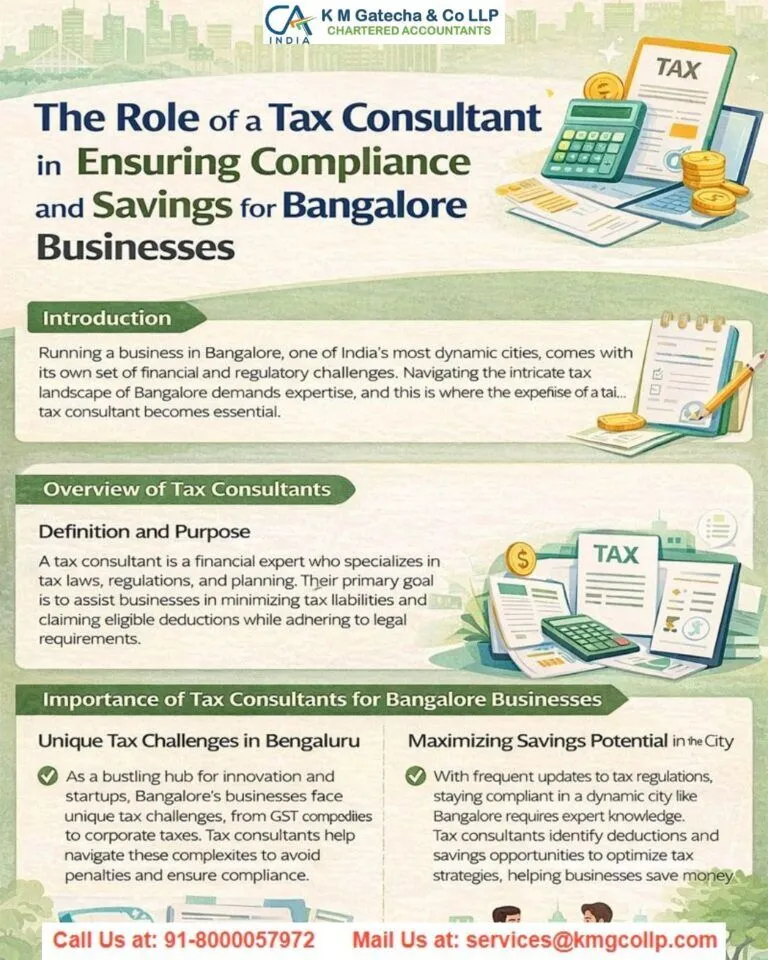
A tax advisor is a finance or tax professional who helps individuals and businesses understand and manage their tax responsibilities.
Their work goes beyond simply completing tax forms. A tax advisor can help clients identify applicable deductions, exemptions, and other legal tax-saving opportunities while ensuring that tax laws and filing requirements are followed correctly.
Tax advisors may also help clients make better financial and business decisions by considering the tax impact of those decisions.
Depending on their qualifications and professional authorisation, tax professionals may also assist clients in dealing with tax assessments, notices, audits, disputes, or proceedings before the relevant authorities.
Common professionals working in tax advisory include Chartered Accountants, tax lawyers, and other qualified tax professionals.
What Does a Tax Advisor Do?
The responsibilities of a tax advisor can vary depending on the client’s needs and the advisor’s area of specialisation.
Some of the main responsibilities include:
Tax Planning
A tax advisor develops practical strategies to help clients manage their tax liability legally. This can include identifying applicable deductions, exemptions, rebates, and other tax-saving provisions.
Tax planning can also involve deciding the timing of certain transactions or financial decisions where the law permits tax deferral or other benefits.
Tax Compliance
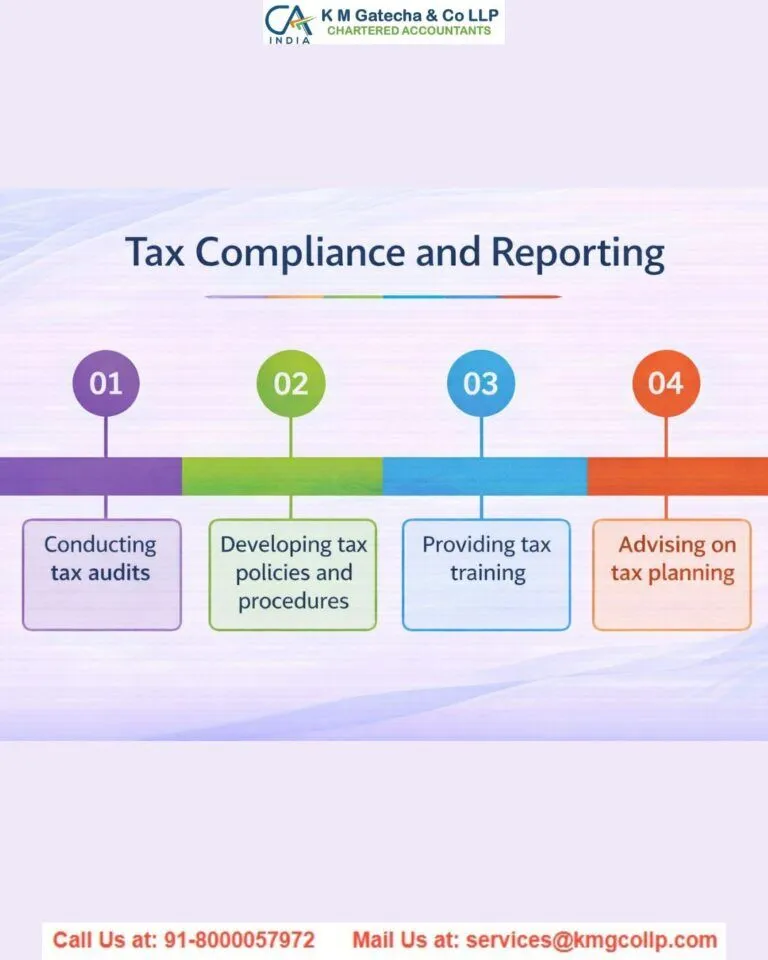
Tax advisors help clients meet their tax obligations correctly and within the applicable deadlines.
This may include assistance with:
- Income tax returns
- GST returns
- Tax payments
- Tax documentation
- Applicable registrations
- Other statutory filings
Proper compliance can reduce the risk of interest, penalties, notices, and other problems.
Explaining Tax Laws
Tax legislation can contain technical provisions that are difficult for a business owner or individual to understand.
A tax advisor interprets relevant provisions and explains how they apply to a particular situation in simpler terms.
Strategic Financial Guidance
Tax considerations can affect investments, business decisions, transactions, and financial planning.
A tax advisor can help clients understand the tax consequences of different options so they can make better-informed decisions.
Handling Tax Issues
Tax advisors may assist clients with tax notices, assessments, audits, disputes, and other tax-related issues.
Where professional representation is permitted and the advisor is suitably qualified, they may represent clients before the relevant tax authorities.
Keeping Up With Tax Changes
Tax laws can change through new legislation, notifications, circulars, court decisions, and annual budgets.
Tax advisors therefore need to regularly monitor these changes and understand how they may affect their clients.
How to Become a Tax Advisor?
Building a career in tax advisory generally requires education, professional knowledge, practical experience, and continuous learning.
1. Get the Right Education
A relevant bachelor’s degree can provide a foundation in areas such as accounting, finance, economics, and basic business or legal concepts.
A strong understanding of accounting and finance is useful because taxation is closely connected with financial transactions and records.
2. Pursue a Professional Qualification
Professionals interested in taxation can pursue recognised qualifications such as:
- Chartered Accountancy (CA)
- Cost and Management Accountancy (CMA)
- Company Secretary (CS)
- Law qualifications for those pursuing tax law
These qualifications can provide deeper knowledge of taxation, accounting, corporate laws, and regulatory requirements.
3. Gain Practical Experience
Practical experience is important for developing tax advisory skills.
Aspiring tax professionals can gain experience through:
- Internships
- Articleships
- Accounting firms
- Tax consulting firms
- Corporate finance departments
- Tax departments
- Professional service organisations
Practical exposure helps professionals understand how tax laws are applied to real transactions and client situations.
4. Stay Updated and Choose a Specialisation
Tax rules change regularly, so learning cannot stop after completing a qualification.
A tax professional can specialise in areas such as:
- Corporate taxation
- GST
- International taxation
- Personal taxation
- Tax litigation
- Transfer pricing
- Estate and succession planning
Specialisation can help professionals develop deeper expertise in a particular area.
5. Build a Professional Network
Professional networking can help aspiring tax advisors learn from experienced professionals and stay informed about developments in the industry.
Attending professional seminars, training programmes, workshops, and industry events can provide opportunities to improve knowledge and build professional relationships.
With sufficient qualifications and experience, a professional may start an independent practice or move into a senior tax role within an established organisation.
Types of Tax Advisory Services
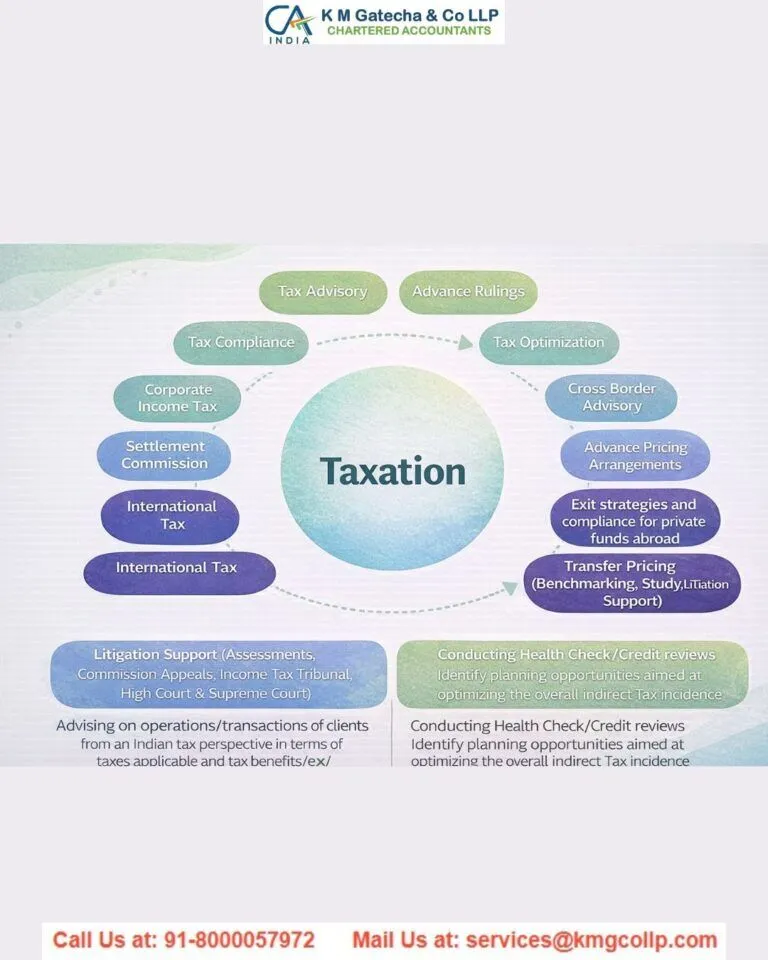
Tax advisory covers several specialised areas.
Corporate Tax Advisory
Corporate tax advisors help businesses understand their tax obligations and plan their business activities with applicable tax rules in mind.
This may include tax planning, compliance, transaction structuring, and assistance with tax-related issues.
International Tax Advisory
International tax advisory deals with tax matters involving more than one country.
It can include areas such as:
- Cross-border transactions
- Overseas income
- Double Taxation Avoidance Agreements (DTAA)
- International tax compliance
- Tax implications of international business activities
Estate Planning
Estate planning involves planning how wealth and assets can be transferred to family members or other beneficiaries.
Tax considerations may form an important part of the planning process.
Tax Litigation
Tax litigation involves dealing with disputes between taxpayers and tax authorities.
Qualified professionals may assist with assessments, appeals, notices, and other tax proceedings depending on their professional authorisation.
Indirect Tax Advisory
Indirect tax advisory focuses on taxes such as GST and other applicable indirect taxes.
It may include registration, classification, tax rates, input tax credit, returns, refunds, notices, and other compliance matters.
How Tax Advisors Help Individuals and Businesses
Tax advisors can play an important role in helping clients manage their tax responsibilities and make informed financial decisions.
Their assistance can help reduce avoidable tax costs, minimise compliance risks, and improve financial planning.
Tax Planning
A tax advisor can identify applicable deductions, exemptions, rebates, and other legal provisions that may help reduce tax liability.
The objective is not to avoid tax illegally but to structure financial affairs within the law.
Compliance Management
Tax advisors can help ensure that tax returns and other required filings are completed accurately and on time.
For businesses, this may include both income tax and GST compliance.
Representation Before Tax Authorities
When suitably qualified and authorised, tax professionals can represent clients during assessments, audits, disputes, or other proceedings before tax authorities.
Tax-Efficient Investment Guidance
Different investments can have different tax consequences.
A tax advisor can help clients understand these consequences and evaluate investment options based on their financial objectives and applicable tax rules.
Business Structuring
The legal structure of a business can affect its taxation and compliance requirements.
Tax advisors can help businesses evaluate structures such as:
- Sole proprietorship
- Partnership
- LLP
- Private limited company
The objective is to select a structure that fits the business’s requirements while considering applicable taxation and compliance obligations.
Keeping Clients Updated
Tax advisors keep clients informed about relevant changes in tax laws, budgets, deadlines, and government regulations.
This helps clients make timely decisions and avoid compliance problems.
Tax Advisor vs Accountant
Although tax advisors and accountants often work closely together, their primary responsibilities are different.
| Aspect | Tax Advisor | Accountant |
| Primary role | Focuses on tax planning, tax laws, and compliance | Manages financial records and accounting |
| Main expertise | Income tax, GST, and other tax regulations | Bookkeeping, financial statements, and accounting |
| Main objective | Helps legally optimise tax liability | Maintains accurate financial information |
| Representation | May represent clients in tax matters when suitably qualified | Primarily handles accounting and financial reporting |
| Advice | Tax planning, investments, business structures, estate planning | Budgeting, cost control, financial performance, and reporting |
In simple terms, an accountant mainly focuses on recording and reporting financial information, while a tax advisor focuses more specifically on taxation, planning, and tax-related decisions.
However, the responsibilities can overlap, and many professionals provide both accounting and tax services.
Common Tax Advisory Challenges and Their Solutions
Tax advisory involves several challenges because tax rules, client information, deadlines, and regulatory requirements can change frequently.
1. Frequent Changes in Tax Rules
Challenge
Tax laws and compliance requirements can change regularly. Keeping track of every update can be difficult.
Solution
Tax professionals should continuously learn through professional training, workshops, seminars, official government updates, and reliable tax resources.
2. Inaccurate or Incomplete Data
Challenge
Clients may provide incomplete information, maintain poor records, or submit documents late. This can result in errors and delays.
Solution
Using accounting software and digital document-management systems can make record keeping easier and improve the accuracy and availability of financial information.
3. Complex Tax Structures
Challenge
Businesses may have to deal with several types of taxes and transactions across different locations.
Understanding income tax, GST, corporate taxation, and other applicable requirements can become complicated.
Solution
Working with appropriately qualified tax professionals can help businesses understand their obligations and make better tax decisions.
4. Increased Tax Scrutiny
Challenge
Greater scrutiny by tax authorities can increase the possibility of assessments, audits, notices, and disputes.
Solution
Businesses should maintain proper documentation, establish clear tax controls, reconcile records regularly, and respond to tax authorities within the applicable timelines.
5. Managing Client Expectations
Challenge
Some clients may have unrealistic expectations about reducing taxes or may not fully understand why certain taxes have to be paid.
Solution
Tax advisors should explain the applicable rules clearly, set realistic expectations, communicate deadlines, and explain the consequences of incorrect or delayed compliance.
6. Heavy Workload During Peak Seasons
Challenge
Tax filing deadlines can create significant workloads for tax professionals. This may lead to pressure, staff burnout, and difficulties in managing multiple clients.
Solution
Technology, automation, proper task allocation, and outsourcing of suitable non-core activities can help manage workloads more efficiently.
Why Is Tax Advisory Important?
Tax advisory is important because taxation affects both personal finances and business decisions.
A good tax advisory approach can help clients:
- Understand their tax obligations
- Plan taxes legally
- Identify applicable deductions and exemptions
- Reduce avoidable tax costs
- Meet filing deadlines
- Maintain proper documentation
- Reduce compliance risks
- Make tax-efficient investment decisions
- Choose an appropriate business structure
- Handle tax notices and disputes more effectively
Tax planning should always be based on applicable law rather than attempts to conceal income or avoid taxes illegally.
What Services Are Included in Tax Advisory?
Tax advisory services can include:
- Tax planning
- Income tax compliance
- GST advisory
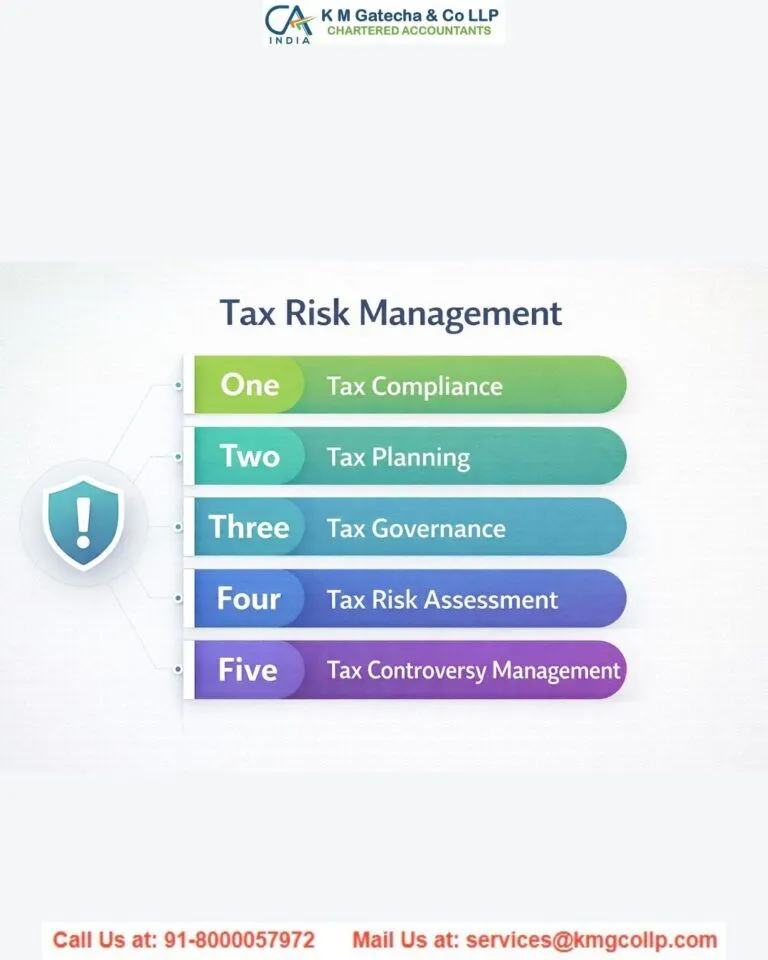
- Tax risk management
- Tax-efficient investment guidance
- Business structuring
- International tax advisory
- Estate planning
- Tax dispute assistance
- Representation before tax authorities, where permitted
- Guidance on changes in tax laws
The exact scope depends on the professional’s qualifications and the client’s requirements.
Tax Advisory vs Tax Preparation
Tax preparation primarily focuses on collecting financial information, calculating applicable tax, preparing tax returns, and completing required filings.
Tax advisory, on the other hand, is broader and more focused on planning and decision-making.
For example, tax preparation may involve filing a person’s income tax return, while tax advisory may involve planning an investment, business transaction, or restructuring decision by considering its tax implications.
In simple terms:
Tax preparation = completing current tax compliance.
Tax advisory = planning and making decisions with future tax consequences in mind.
Tax Advisory vs Tax Consulting
Tax advisory and tax consulting are closely related terms, but they can have slightly different scopes depending on how the professional or firm defines its services.
Tax advisory generally focuses specifically on tax planning, compliance, and tax-related strategies.
Tax consulting can sometimes have a broader scope and may include wider financial, business, or strategic guidance along with tax matters.
The exact difference depends on the services being provided.
How Can a Tax Advisor Help Reduce Tax Liability?
A tax advisor can help reduce tax liability legally by identifying provisions available under tax law.
This may include:
- Eligible deductions
- Applicable exemptions
- Tax rebates
- Tax credits
- Tax-efficient investment options
- Appropriate business structures
- Timing of certain financial transactions
- Other legally available tax-planning opportunities
A tax advisor should never recommend hiding income, creating false expenses, or using fraudulent transactions to reduce tax.
Cost of Hiring a Tax Advisor
The cost of tax advisory services can vary significantly.
Fees may depend on:
- Complexity of the tax matter
- Type of service
- Number of transactions
- Business size
- Turnover
- Tax jurisdiction
- Professional’s experience
- Time required
Tax advisors may charge on an hourly basis, monthly retainer, annual basis, or project basis.
Before engaging a tax advisor, it is useful to clearly discuss the scope of work, deliverables, timelines, and professional fees.
Conclusion
A tax advisor helps individuals and businesses understand taxation, plan their finances, meet compliance requirements, and make better financial decisions.
Their role can extend from routine tax planning and return compliance to business structuring, international taxation, investment planning, tax disputes, and representation before tax authorities where permitted.
Because tax laws continue to evolve, tax advisors also need to keep learning and adapting to regulatory changes.
For anyone planning a career in tax advisory, a strong educational foundation, relevant professional qualification, practical experience, specialisation, and continuous learning can provide a strong path into the profession.
Disclaimer: The content on this website is for informational purposes only and does not constitute legal, financial, or professional advice. Please consult qualified experts before acting on any information. K M GATECHA & CO LLP accepts no liability for errors, omissions, or outcomes from the use of this content. This site is not an advertisement or solicitation.

